
==> Thank you for reading this post! Click Here If you are looking for support and Victory over PTSD.
Christian discernment about PTSD spiritual warfare should distinguish trauma-related symptoms from spiritual interpretations without dismissing either faith or clinical reality. Flashbacks, hypervigilance, nightmares, avoidance, shame, and emotional numbing are recognized PTSD patterns and are not reliable proof of demonic activity, weak faith, or personal guilt. A sound response combines prayer, Scripture, pastoral care, trauma-informed assessment, and appropriate mental health treatment while rejecting fear-based claims that intensify distress. Immediate safety takes priority when someone is suicidal, unable to function, losing contact with reality, or at risk of harm; spiritual counsel should complement, not replace, qualified clinical care.
How Do PTSD Symptoms Differ From Spiritual Interpretations?
PTSD symptoms can feel spiritually charged because they affect attention, bodily arousal, memory, sleep, trust, and a person’s sense of safety. A survivor may wake from a nightmare convinced that danger is present, feel watched while sitting in church, or experience a flashback during prayer. The intensity is real, but intensity alone does not reveal whether the cause is clinical, spiritual, relational, or some combination of influences.
Post-traumatic stress can follow exposure to actual or threatened death, serious injury, sexual violence, or other traumatic events. Common patterns include intrusive memories, avoidance, negative changes in mood or beliefs, and persistent arousal. Hypervigilance may cause someone to scan doors, track other people’s movements, or startle at ordinary sounds. Emotional numbing may make worship feel empty. Trauma-related shame may sound like a moral accusation even when the survivor did nothing wrong.
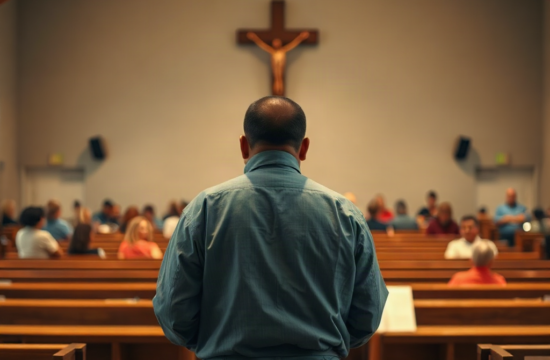
Consider a veteran who becomes tense when a church door closes loudly. One interpretation might label the reaction spiritual oppression because it occurs during worship. A trauma-informed interpretation first notices the trigger, the body’s alarm response, and the person’s history. Prayer may still be meaningful, but treating the startle response as proof of demonic presence could increase fear and teach the person to distrust normal trauma reactions.
Discernment improves when observations are separated from conclusions. “My heart raced, I remembered the assault, and I wanted to escape” describes an experience. “An evil spirit entered the room” is an interpretation that requires further evaluation. Neither a pastor nor a friend should diagnose PTSD or declare a spiritual cause based on a single episode.
A useful first check is to ask whether the experience has recognizable triggers, whether it repeats in trauma-linked settings, how it affects sleep and daily functioning, and whether grounding or environmental safety changes its intensity. These questions do not settle every theological issue. They reduce the risk of making a frightening spiritual claim before considering a well-established trauma response. The common failure is assuming that a symptom occurring during prayer must have a spiritual origin; context matters, but location does not determine cause.
How Should Christians Test Spiritual Warfare Claims?
Spiritual warfare claims should be tested by their theological coherence, factual basis, effects on the traumatized person, and respect for appropriate boundaries. Christian traditions differ in how they understand demonic influence, deliverance, and spiritual opposition. That disagreement calls for humility rather than certainty based on dramatic impressions, bodily sensations, or one leader’s authority.
A responsible claim should not contradict the character of God presented in Scripture, shift blame onto a victim, or require secrecy and unquestioning compliance. It should also withstand ordinary questions. What specific observation supports the claim? Could medication effects, sleep deprivation, panic, grief, substance use, or a trauma reminder better explain the experience? Has a qualified clinician assessed new or worsening symptoms? A claim becomes less trustworthy when every question is portrayed as unbelief.
Use a compact discernment check before agreeing to a spiritual intervention:
- Name the observable event. Record what happened without adding a spiritual conclusion.
- Check trauma and health factors. Note triggers, sleep, medication changes, substance use, pain, and recent stress.
- Examine the proposed response. Ask whether it is consensual, calm, accountable, and compatible with ongoing care.
- Watch the fruit over time. Look for greater honesty, agency, stability, and connection rather than escalating terror or dependence on a leader.
For example, a person with recurring nightmares might be told that each dream is a direct supernatural message. A safer approach leaves room for prayer while recognizing that nightmares commonly occur after trauma. The person can discuss sleep disturbance with a clinician, note recurring trauma themes, reduce avoidable sleep disruption, and ask a trusted pastor for non-coercive spiritual support. This approach does not require denying spiritual beliefs; it refuses to treat an uncertain interpretation as established fact.
Red flags include demands to stop therapy or prescribed medication, claims that disclosure will empower evil, physical restraint, forced confession, unauthorized touching, public exposure, financial pressure, or repeated rituals despite the person’s distress. The mistake is measuring an intervention by how intense it feels. A dramatic meeting may produce short-term emotional release while worsening fear, shame, or dissociation afterward. Responsible discernment evaluates both the method and its longer-term consequences.
Can Faith and Trauma-Informed Care Work Together?
Faith and trauma-informed care can work together when each stays within its proper role and the survivor retains meaningful choice. Clinical care can address symptoms, functioning, safety, and trauma processing. Christian practices can provide worship, lament, moral meaning, community, and a language of hope. Neither role benefits from pretending to do the other’s work.
Trauma-informed care pays attention to safety, trust, collaboration, and the possibility that certain settings may recreate helplessness. Those priorities have practical implications for ministry. A survivor may need to sit near an exit, decline laying on of hands, meet with the office door open, or pause a prayer that becomes overwhelming. Honoring those limits is not indulging fear; it can help restore agency after an event in which control was taken away.
Spiritual practices may need adaptation. Silent prayer can intensify intrusive memories for some people, while a brief written prayer or reading a familiar psalm aloud may be more tolerable. A crowded worship service may exceed someone’s current capacity, whereas attending a smaller gathering or joining remotely can preserve connection. The goal is not to force exposure under a religious label. Any planned work with trauma reminders is better coordinated with a clinician who understands the person’s symptoms and treatment.
Coordination should occur with consent. A pastor can ask, “What support is helpful when you become overwhelmed?” rather than requesting private clinical details. A therapist may explore how beliefs about guilt, forgiveness, suffering, or divine protection affect recovery without serving as a theological authority. When both parties communicate, the survivor should decide what information may be shared and may revoke permission later.
Signs that the combined approach is helping include improved ability to name triggers, greater freedom to set boundaries, fewer disruptions to daily life, and a faith community that does not punish honest questions. Warning signs include increasing avoidance, dependence on repeated spiritual interventions, worsening sleep, pressure to reinterpret every symptom as attack, or abandonment of effective care. Progress is rarely a straight line, so one difficult week does not prove failure. The more meaningful measure is whether the approach supports safety, functioning, truthful reflection, and voluntary participation over time.
Get Support and Help with Recovery! Visit us for more Information and Support
What Does a Safe Pastoral Response Look Like?
A safe pastoral response begins with listening, immediate risk assessment, role clarity, and practical connection to qualified care. Pastors can offer spiritual companionship and notice danger, but most are not trained to diagnose PTSD, psychosis, dissociation, medication reactions, or neurological conditions. Knowing that boundary protects both the survivor and the congregation.
When someone reports spiritual attack alongside trauma symptoms, a pastor can acknowledge the distress without confirming an uncertain cause. Helpful language might be: “I believe that this experience is frightening, and we can take both your faith and your symptoms seriously.” The next questions should address safety and function: Is the person thinking about suicide or harming anyone? Can the person care for basic needs? Has sleep deteriorated sharply? Are there hallucinations, severe confusion, or periods of lost time? Is abuse still occurring?
Imminent danger requires urgent action rather than a prolonged theological discussion. In the United States, a person in suicidal crisis can call or text 988; emergency services may be necessary when there is an immediate threat to life. Elsewhere, local crisis or emergency services should be used. Someone experiencing severe confusion, loss of contact with reality, or a sudden major change in behavior also needs prompt professional evaluation. Prayer may accompany that response, but it should not delay it.
Outside a crisis, the pastor can help the person identify a licensed mental health professional with trauma experience and, if desired, respect for Christian belief. Practical support may include arranging transportation, helping locate a quieter church setting, or identifying a trusted person who can accompany the survivor to an appointment. Pastoral notes and disclosures should be handled according to applicable safeguarding, privacy, and reporting responsibilities; promises of absolute secrecy can be unsafe and may be legally inaccurate.
The common pastoral mistake is moving too quickly from compassion to explanation. Declaring a cause can feel decisive, but it may close off assessment and leave the survivor responsible for proving enough faith. Better care tolerates uncertainty, avoids coercive rituals, and creates a written plan for triggers, preferred support, emergency contacts, and actions the person does not consent to. A sound plan makes help more predictable while preserving the survivor’s voice.
Conclusion
Wise Christian discernment resists two shortcuts: declaring every trauma reaction spiritual warfare and excluding faith from recovery altogether. Begin with observable symptoms, current safety, trauma triggers, and the person’s ability to function. Test spiritual explanations carefully, especially when they produce shame, fear, secrecy, or dependence on a leader.
The next practical step is to build a support plan that names a qualified clinician, a trustworthy pastoral contact, preferred grounding practices, consent boundaries, and crisis resources. Prayer, Scripture, worship, and Christian community may remain valuable when they are offered without coercion or promises of instant healing. Urgent risk, severe confusion, or loss of contact with reality calls for prompt professional help. Sound discernment leaves room for theological conviction while refusing to guess where careful assessment, patient listening, and accountable care are needed.
Frequently Asked Questions
Does having PTSD mean a Christian lacks faith?
No. PTSD symptoms are trauma-related reactions, not a dependable measure of faith, character, or spiritual maturity. A Christian may need clinical treatment and practical accommodations while continuing to pray and participate in church life.
Can nightmares prove that spiritual warfare is occurring?
No. Nightmares can accompany PTSD, stress, sleep disruption, medication changes, and other conditions. Their content may have spiritual meaning to the dreamer, but a nightmare alone cannot establish a supernatural cause.
Should someone stop therapy to rely on prayer?
Prayer and therapy need not compete. Stopping treatment or prescribed medication without consulting the relevant clinician may create risk, especially when symptoms are severe or medication withdrawal is possible.
What should a pastor do during a flashback?
Speak calmly, reduce stimulation, ask permission before touching, and help the person orient to the present. Follow the person's established safety plan and seek urgent help if there is immediate danger or severe disorientation.
When is a spiritual intervention unsafe?
It is unsafe when it is coercive, secretive, physically forceful, humiliating, financially exploitative, or used to replace needed care. Distress, refusal, or dissociation should never be treated as permission to continue.
Further Reading
Authoritative Sources
- Post-Traumatic Stress Disorder
nimh.nih.govThe National Institute of Mental Health explains recognized PTSD symptoms, risk factors, and treatment approaches
- PTSD Basics
ptsd.va.govThe National Center for PTSD provides a clear clinical foundation for distinguishing trauma reactions from unsupported spiritual conclusions
- 988 Suicide & Crisis Lifeline
988lifeline.orgThis official crisis resource explains how people in the United States can call, text, or chat for immediate support
Get Support and Help with Recovery! Visit us for more Information and Support
Original Source