
==> Thank you for reading this post! Click Here If you are looking for support and Victory over PTSD.
Scripture can help with PTSD fear of sleeping alone when it is used alongside trauma-informed safety measures, a predictable bedtime routine, grounding, and appropriate professional care. Passages about God’s presence may provide a steady focus while hypervigilance, nightmares, and nighttime isolation make the bedroom feel unsafe. Read one brief verse before bed, pair it with slow breathing and a factual check of the room, and arrange human contact when solitude is overwhelming. Faith practices should not be used to shame fear or replace PTSD treatment; escalating distress, persistent sleep loss, or thoughts of self-harm require prompt professional support.
Why Does PTSD Make Sleeping Alone Frightening?
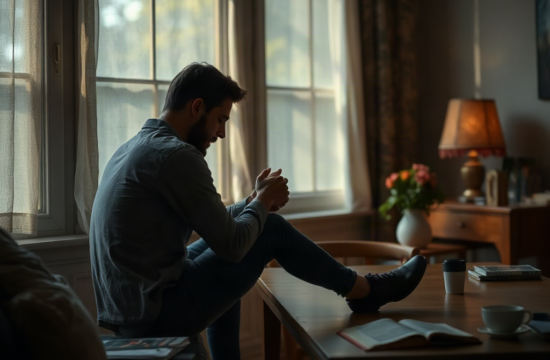
Nighttime removes many of the cues that ordinarily reassure a person that the present is different from the traumatic past. A dark, quiet room may leave more attention available for scanning sounds, noticing bodily sensations, or anticipating danger. If trauma occurred at night, in a bedroom, or while the person was isolated, being alone at bedtime may become a particularly strong reminder. The fear is not necessarily a reasoned judgment about the current room; it can be an alarm response shaped by what previously happened.
PTSD-related hyperarousal can keep the body prepared to respond even when someone wants to rest. A settling house may sound like footsteps. A normal increase in heart rate after a disturbing thought may be interpreted as evidence that something is wrong. Nightmares can create a second concern: falling asleep may feel like surrendering control to images or sensations that cannot be stopped. Avoiding sleep then offers short-term relief but may leave the person more exhausted and emotionally reactive the next evening.
Sleeping beside a trusted person often provides external evidence of safety, while sleeping alone removes that immediate reassurance. For example, someone may manage daytime solitude well yet panic when a partner works overnight. That difference does not prove dependence or spiritual weakness. Darkness, fatigue, conditioned memories, and the absence of another person can combine into a distinct trigger pattern.
A useful first step is to identify the exact pressure point rather than labeling the entire night as unsafe. Notice whether distress rises when the lights go out, after a particular noise, while drifting off, following a nightmare, or upon waking in darkness. Each pattern points toward a different response. A dim light may address visual disorientation, scheduled contact may reduce isolation, and nightmare-focused treatment may be more relevant when frightening dreams drive avoidance.
The common mistake is repeatedly checking every lock, window, and sound until certainty feels possible. One reasonable safety check can establish that the environment has been assessed; repeated checks may keep attention fixed on threat and make doubt stronger. The better target is not perfect certainty but enough present-day evidence to permit rest: the door was checked once, the phone is charged, the room is familiar, and a support plan is available if distress rises.
Which Scriptures Speak to Nighttime Fear?
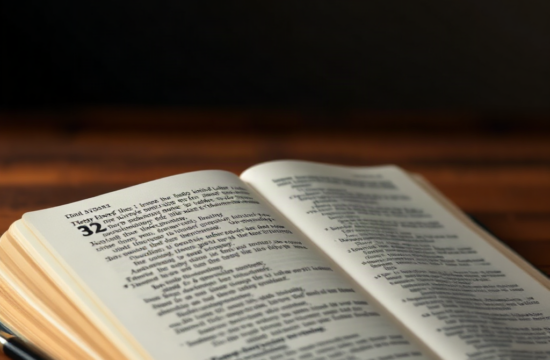
Scripture is most useful here when a passage speaks honestly about fear while directing attention toward God’s presence, care, or sustaining help. The aim is not to find a verse that commands the nervous system to become calm immediately. A short passage can instead serve as an anchor: fear is present, but it is not the only reality receiving attention.
Psalm 4:8 connects lying down and sleeping with trust in God’s safety. Psalm 23:4 describes God’s presence in a dark valley rather than pretending the valley is harmless. Psalm 56:3 gives a direct response to fear by turning toward trust, while Psalm 121 portrays God as a vigilant keeper. Isaiah 41:10 emphasizes God’s presence and help. In the New Testament, Romans 8:38–39 speaks of nothing separating believers from God’s love, and Mark 4:35–41 presents Jesus with frightened disciples in a dangerous night crossing.
Choose a passage according to what the night is bringing. Someone who fears abandonment may respond to language about inseparable love. A person scanning for danger may find the watchful imagery of Psalm 121 more fitting. Someone ashamed of being afraid may need a narrative in which frightened people are not rejected. Reading a long collection of verses is not automatically better; too many choices can become another task when the mind is already tired.
Interpretation matters. A promise of God’s presence is not a guarantee that no frightening sensation, nightmare, or difficult night will occur. Biblical trust and a body’s trauma response can coexist. The psalms repeatedly hold distress, complaint, petition, and confidence together, giving readers room to speak truthfully rather than perform calmness.
A harmful use of Scripture turns it into a test: “If I had enough faith, I would sleep alone without fear.” That conclusion adds shame to an already activated nervous system and overlooks the effects of trauma. A more faithful and psychologically realistic prayer might be, “I am afraid, I am here in this room now, and I ask for help through the next few minutes.” If a verse about fear feels accusatory because of past religious experiences, choose a passage centered on compassion or lament, or pause the exercise and discuss that reaction with a trauma-informed pastor or clinician.
How Can Scripture Be Used at Bedtime Without Increasing Pressure?
A brief, repeatable sequence usually places less demand on an activated mind than an ambitious devotional routine. The sequence should connect spiritual reassurance with concrete signs of present safety. It is not a formula for forcing sleep; it is a way to reduce confusion, orient to the current room, and make the next manageable choice.
Begin before exhaustion peaks. Select one short passage during the day and place it where it can be read without searching. At bedtime, complete one practical room check, then name several present facts: the date, the location, who can be contacted, and how the current setting differs from the traumatic event. Read the passage slowly, allowing one phrase to become the focus. Pair that phrase with an unforced breathing rhythm in which the exhale is comfortable and slightly longer than the inhale.
- Prepare: Choose one verse, a soft light, water, and a charged phone before entering bed.
- Orient: Name where you are and identify visible objects that belong to the present.
- Read: Repeat one line of Scripture without demanding an emotional change.
- Respond: Use a short prayer that acknowledges fear and asks for help with the next period of rest.
- Reassess: If activation continues climbing, leave the bed briefly for a quiet, non-stimulating activity or contact the person named in your plan.
For example, a person whose fear spikes after turning off the lamp might keep a dim night-light on, read Psalm 23:4, identify the bedroom door and two familiar objects, and send a prearranged goodnight message. Gradually reducing the light may be considered later, but only if the person can tolerate it without becoming overwhelmed. Sudden exposure to complete darkness is not a spiritual achievement and may backfire if it reinforces panic.
Signs the routine is helping can be modest: fewer repeated checks, a shorter period of escalating fear, greater ability to remain oriented after a noise, or more willingness to return to bed after waking. Falling asleep instantly is not the only useful outcome. The routine may be failing if Scripture reading becomes compulsive, the person repeats verses until they feel “perfect,” distress consistently intensifies, or bedtime expands into hours of threat monitoring.
Audio Scripture can help when reading is difficult, but it may also prevent sleep if it plays continuously or contains abrupt volume changes. A trusted person staying on the phone may bridge a difficult night, while relying on an open call every night can become hard to sustain. Use accommodations compassionately, then review them with a therapist if the long-term goal is greater confidence sleeping alone.
Get Support and Help with Recovery! Visit us for more Information and Support
When Are Faith Practices Not Enough?
Scripture and prayer can provide meaning, companionship, and a focus for attention, but they are not substitutes for assessing persistent PTSD symptoms or severe sleep disruption. Professional support becomes especially relevant when fear repeatedly prevents sleep, produces daytime impairment, causes increasing use of alcohol or sedating substances, or leads someone to organize life around never being alone at night. A clinician can help distinguish trauma-related fear from other sleep, medical, medication, or mental health concerns.
Trauma-focused psychotherapy addresses memories, beliefs, avoidance, and alarm responses more directly than a bedtime devotional can. A licensed clinician may also evaluate nightmares and insomnia and discuss appropriate treatment options. The exact approach depends on the person’s symptoms, health history, preferences, and access to care. Medication decisions belong with a qualified prescriber; borrowing another person’s sleep medication or combining sedating products can create additional risk.
Pastoral care and clinical care serve different but potentially complementary purposes. A pastor may help interpret troubling passages, address spiritual shame, or pray with the person. A therapist can assess symptom patterns and develop a treatment plan. When possible, choose helpers who respect both the person’s faith and the realities of trauma. Advice that frames symptoms as sin, demonic failure, or insufficient prayer may deepen fear and discourage appropriate care.
A practical escalation plan should be written during the day, not improvised during panic. It can name the first person to contact, a second option if that person is unavailable, the clinician’s office information, and the nearest appropriate urgent service. If remaining alone feels unsafe, moving temporarily to a trusted person’s home may be wiser than attempting to prove independence. That is a short-term safety decision, not necessarily the final treatment plan.
Immediate help is warranted when the person is at risk of self-harm, cannot maintain basic safety, feels unable to distinguish a trauma memory from the current environment, or has gone without meaningful sleep long enough that judgment is deteriorating. In the United States, call or text 988 for crisis support, and call 911 or go to an emergency department when there is immediate danger. People outside the United States should use their local emergency number or crisis service. Faith can remain part of the response, but urgent risk calls for direct human assistance.
Conclusion
Nighttime fear deserves a response that respects both faith and the nervous system’s learned alarm. Choose one compassionate passage rather than collecting many verses, connect it to present-day orientation, and complete only a reasonable safety check. A dim light, planned contact, or temporary company can be sensible support while longer-term healing is addressed.
Track what actually happens at night: the trigger, the intensity, the response used, and whether distress settled or grew. That record can clarify whether the central problem is darkness, isolation, nightmares, intrusive memories, or fear of losing control. Bring persistent patterns to a trauma-informed clinician, and include a trustworthy pastor when spiritual questions or shame are involved. If safety becomes uncertain, prioritize immediate human help over trying to endure the night alone.
Frequently Asked Questions
What Bible verse can I read when I am afraid to sleep alone?
Psalm 4:8, Psalm 23:4, Psalm 121, Isaiah 41:10, and Romans 8:38–39 are relevant choices. Select one passage that emphasizes the aspect you need most, such as God’s presence, watchful care, or inseparable love.
Does fear at bedtime mean my faith is weak?
No. PTSD can activate learned alarm responses even when a person sincerely trusts God. Treating symptoms as proof of spiritual failure can add shame and make it harder to seek appropriate pastoral and clinical support.
Should I force myself to sleep alone to overcome the fear?
Not without considering safety and symptom severity. Abruptly forcing the situation may intensify panic; a trauma-informed therapist can help develop gradual, tolerable steps when sleeping independently is an appropriate goal.
Can I play an audio Bible through the night?
You can if it feels settling and does not disrupt sleep. Use a low, steady volume and a timer; continuous audio, changing voices, or sudden volume shifts may keep some people alert.
When should I seek professional help for nighttime PTSD fear?
Seek help when fear regularly prevents sleep, impairs daytime functioning, increases substance use, or makes being alone feel unsafe. Immediate danger, self-harm thoughts, or severe disorientation require urgent crisis or emergency support.
Further Reading
Authoritative Sources
- Sleep Problems and PTSD
ptsd.va.govThe National Center for PTSD explains how nightmares, insomnia, and nighttime alertness can accompany trauma-related symptoms
- Post-Traumatic Stress Disorder
nimh.nih.govThe National Institute of Mental Health provides a clinical overview of PTSD symptoms, risk factors, and treatment
- 988 Suicide & Crisis Lifeline
988lifeline.orgThis service offers crisis support in the United States when nighttime distress includes self-harm risk or an immediate inability to stay safe
- BibleGateway
biblegateway.comThis searchable Bible resource allows readers to review the referenced passages in their preferred translation
Get Support and Help with Recovery! Visit us for more Information and Support
Original Source