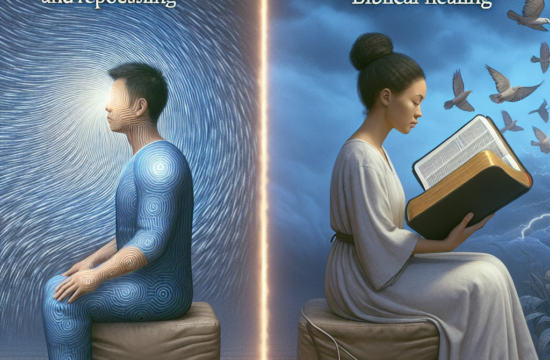

==> Thank you for reading this post! Click Here If you are looking for support and Victory over PTSD.
- 1. Embracing Scripture About God’s Comfort
- 2. Incorporating Prayer and Meditation
- 3. Using Faith-Based Support Groups
- 4. Studying Psalms for Healing
- 5. Memorizing Scripture for Inner Strength
- 6. Applying Biblical Principles to Rebuild Trust
- 7. Seeking Guidance Through Christian Counseling
- 8. Creating Personal Devotion Time
- 9. Incorporating Worship and Music
- 10. Remembering God’s Promises for Veterans
1. Embracing Scripture About God’s Comfort
Understanding God’s Promise of Comfort
The foundational step in using the bible comfort for veterans trauma is embracing scripture that speaks directly to God’s promise to comfort His people. Verses like 2 Corinthians 1:3-4 remind us that “the God of all comfort,” is always present to strengthen those who mourn or struggle with trauma. For veterans, reading and meditating on these scriptures can affirm God’s unwavering support during healing journeys.
Many veterans report feeling isolated after traumatic experiences, but scripture offers reassurance. Discovering verses that highlight God’s compassion can help reframe negative thoughts, anchoring your healing process in faith. In 2025, faith-based interventions increasingly integrate biblical promises to promote mental and emotional wellness among veterans.
Practical tip: Keep a journal of favorite comfort scriptures, and reflect on them daily. This consistent practice helps internalize God’s promises and builds a resilient mindset grounded in biblical truth.
2. Incorporating Prayer and Meditation
The Power of Prayer for Healing
Prayer is a vital tool in bible comfort for veterans trauma. It provides a direct line of communication with God, fostering peace and surrender amidst chaos. In 2025, many veterans are finding that structured prayer routinesâincluding silent meditationâcan significantly reduce anxiety and promote emotional stability.
Deep prayer sessions allow veterans to pour out their grief and seek divine guidance. Meditation on biblical passages, such as Psalm 23, can bring calming assurance, reminding veterans that they are never alone in their struggles.<
Tip: Dedicate a specific time each day for prayer and meditation, ideally in a quiet space. Use guided prayers focused on healing and comfort, which can be found in many Christian resources designed for trauma recovery.
3. Using Faith-Based Support Groups
Connecting with Others Who Share Your Faith
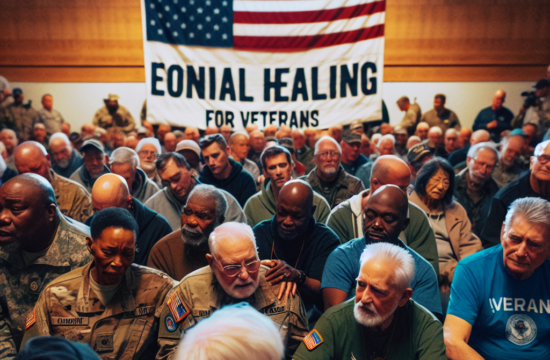
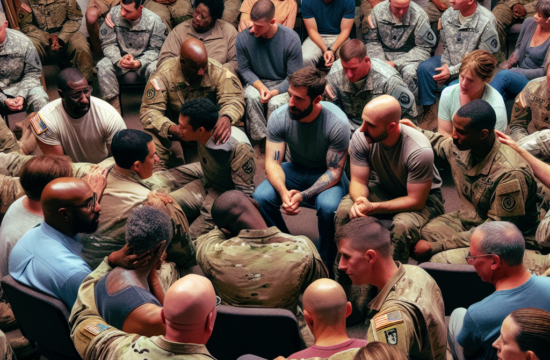
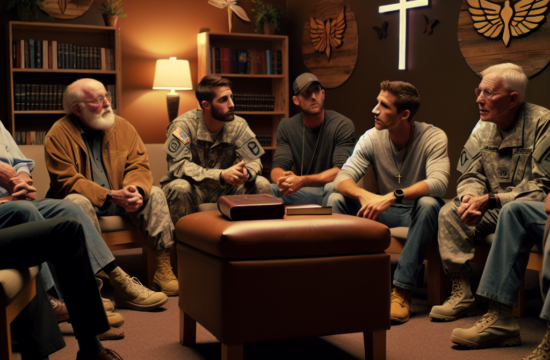
Supporting one another in faith-based groups creates a safe space for veterans to share their trauma stories and find comfort through biblical encouragement. In 2025, more veteran support organizations incorporate biblical principles into their therapy and fellowship programs, emphasizing scripture as a healing tool.
Being part of a community that understands your experiences and affirms your faith can drastically reduce feelings of isolation. Support groups often use scripture readings, prayer sessions, and shared testimonies to reinforce hope and resilience.
Actionable tip: Seek local or online Christian veteran groups, and participate actively. Sharing your journey and hearing othersâ stories can reaffirm that healing is possible through God’s word.
4. Studying Psalms for Healing
The Psalms as a Source of Comfort
The book of Psalms is rich with expressions of grief, fear, and hope. Many veterans find solace in psalms like Psalm 34 and Psalm 147, which reinforce God’s presence during suffering. In 2025, Psalms continue to be a go-to resource for biblical comfort for veterans trauma, offering language to express complex emotions.
Research shows that repetitive reading and memorization of Psalms can help reduce stress and foster emotional resilience. These scriptures provide both language and spiritual perspective during moments of despair and overwhelm.
Tip: Create a personal Psalms reading plan, focusing on chapters that resonate with your emotions. Sung or meditative reading enhances the calming effect and deepens your connection with God.
5. Memorizing Scripture for Inner Strength
Building Resilience Through Scripture Memory
Memorization is a practical way to access biblical comfort anytime, anywhere. In 2025, veterans are increasingly encouraged to memorize scriptures related to strength, peace, and trusting God, such as Philippians 4:13 or Isaiah 41:10. Recalling these verses during moments of anxiety can provide immediate spiritual reassurance.
Memory work helps internalize God’s promises, strengthening mental resilience against trauma triggers. It also makes Scripture accessible during times when reading is not possibleâsuch as in hospital beds or during flashbacks.
Actionable tip: Use flashcards or mobile apps to memorize key verses. Practice daily, and aim to recall them in moments of need to experience the biblical comfort for veterans trauma firsthand.
6. Applying Biblical Principles to Rebuild Trust
Learning Trust and Forgiveness in Scripture
Trauma often damages the ability to trust others and oneself. Biblical principles, like forgiveness and grace, can be powerful tools for rebuilding trust. Verses such as Ephesians 4:32 or Colossians 3:13 emphasize forgiveness as a step toward healing and peace.
Applying these principles can help veterans process betrayal, guilt, or shame associated with traumatic experiences. The Bible guides us to trust in God’s plan and His unfailing love, even when human relationships seem broken.
Tip: Practice scriptural reflection and prayer focused on forgiveness, both for yourself and others. This spiritual discipline supports emotional recovery and helps restore trust over time.
Get Support and Help with Recovery! Visit us for more Information and Support
7. Seeking Guidance Through Christian Counseling
Professional Support with a Biblical Foundation
In 2025, many veterans are turning to Christian counselors to address trauma, combining clinical approaches with biblical teachings. This method offers a holistic pathway to healing, grounded in scripture and faith-based principles.
Christian counselors can help veterans interpret scripture in light of their trauma, providing personalized spiritual support. This approach helps integrate faith into the healing process and encourages growth in God’s love.
Practical tip: Find a qualified Christian counselor experienced in trauma recovery. Ask about their use of biblical comfort for veterans trauma within treatment plans.
8. Creating Personal Devotion Time
Daily Devotion for Sustained Healing
Establishing a daily devotion time centered on the Bible can be transformative. Consistent reading, prayer, and reflection nurture spiritual growth and resilience. In 2025, new devotional resources specifically address trauma recovery for veterans, emphasizing biblical comfort for veterans trauma.
This practice creates a grounded routine that reinforces faith during difficult times and fosters a sense of stability. Personal devotion time allows veterans to reconnect with God’s promises regularly and to find renewed hope each day.
Actionable tip: Design a simple devotion plan with scripture reading, prayer, and journaling. Keep it manageable and consistent for lasting impact.
9. Incorporating Worship and Music
The Healing Power of Worship Music
Worship music is a powerful channel for conveying biblical truths and emotional release. Many veterans find healing through hymns and contemporary Christian music that emphasize God’s presence, love, and comfort.
Listening to or leading worship can evoke a sense of peace, helping to diminish feelings of fear and despair. In 2025, specialized playlists and worship sessions designed for trauma recovery are becoming popular amongst faith communities supporting veterans.
Tip: Incorporate daily worship music into your routine, especially songs centered on Godâs promises and comfort. Use music as a spiritual tool to meditate and experience biblical comfort for veterans trauma.
10. Remembering God’s Promises for Veterans
The Power of Remembrance in Scripture
Finally, continuously remembering God’s promises tailored for veterans is central to sustained healing. Scriptures like Joshua 1:9 and Psalm 91 affirm God’s protection and strength for those who serve and endure trauma.
Preparing a “promise board” with key scriptures can serve as a visual reminder of God’s faithfulness. Keeping these promises at the forefront helps veterans to stay focused on hope and divine reassurance, especially in challenging times.
In 2025, this proactive approach to biblical remembrance is increasingly integrated into trauma recovery, emphasizing that God’s comfort for veterans trauma is always accessible.
Frequently Asked Questions
1. How does the Bible help for veterans trauma recovery?
The Bible provides spiritual reassurance, comfort, and practical guidance through scriptures that speak to God’s promises of peace, strength, and healing, supporting trauma recovery.
2. What are the best scriptures for biblical comfort for veterans trauma?
Verses like 2 Corinthians 1:3-4, Psalm 34, Philippians 4:13, and Joshua 1:9 are especially comforting and relevant for veterans dealing with trauma.
3. Can prayer alone help with trauma?
While prayer is a powerful tool in biblical comfort for veterans trauma, combining prayer with other faith-based strategies, counseling, and community support provides a more comprehensive healing process.
4. How can I incorporate biblical principles into my healing journey?
Regular Bible reading, memorization, prayer, and participation in faith communities help apply biblical principles. Seeking guidance from Christian counselors also supports this integration.
5. Why is biblical comfort essential in trauma recovery in 2025?
As trauma awareness grows, biblical comfort remains vital because it addresses spiritual wounds, offers hope, and sustains emotional resilience rooted in God’s eternal promises and love.
Conclusion
Healing from veterans trauma is a complex journey, but embracing bible comfort for veterans trauma can be a transformative part of that process. The strategies outlined in this articleâranging from scripture reflection to worship and community supportâoffer practical and spiritual support tailored for 2025. Remember, God’s promises are timeless, and His comfort is always available to veterans seeking peace and healing. Incorporating biblical principles into your recovery can foster resilience, restore trust, and bring hope for a brighter future rooted in faith.
Get Support and Help with Recovery! Visit us for more Information and Support
Original Source