
==> Thank you for reading this post! Click Here If you are looking for support and Victory over PTSD.
Table of Contents
- 1. Embracing Faith Through Prayer and Meditation
- 2. Scripture Memorization for Inner Strength
- 3. Incorporating Worship and Community Support
- 4. Using Biblical Promises for Healing
- 5. Personal Testimonies of Spiritual Resilience
- 6. Developing a Daily Devotional Routine
- 7. Seeking Professional Spiritual Counseling
In 2025, wounded warriors face unprecedented challenges, both physically and emotionally. Many turn to spiritual resources to find strength and healing, with bible strength for wounded warriors becoming a vital component of recovery. This comprehensive guide offers 7 effective strategies to help wounded warriors harness faith’s power, heal woundsâboth seen and unseenâand thrive in their new normal. Whether you’re a veteran, a supporter, or a caregiver, understanding how Biblical principles foster resilience is crucial in todayâs healing journey.
1. Embracing Faith Through Prayer and Meditation
1.1 The Power of Prayer in Healing
Prayer has been a cornerstone of spiritual strength for centuries. For wounded warriors, prayer serves as a direct line to eternal hope and divine comfort. In 2025, research shows that consistent prayer can reduce stress levels significantly, contributing to faster physical and emotional healing. Engaging in daily prayer helps warriors express their fears, hopes, and gratitude, reinforcing their bible strength for wounded warriors.
During challenging times, prayer becomes a refuge. For example, many veterans report feeling a renewed sense of peace after prayer sessions, enabling them to face daily struggles with renewed courage. Remember, prayer doesnât need to be elaborateâit can be a simple conversation with God, fostering connection and assurance.
1.2 Meditation and Scriptural Reflection
Meditation on scripture is another effective way to build spiritual resilience. By focusing on passages such as Isaiah 41:10 or Philippians 4:13, wounded warriors can internalize divine promises of strength and support. In 2025, spiritual leaders emphasize that meditation enhances mental clarity and reduces symptoms of PTSD and anxiety.
Practicing mindful scripture reflection helps warriors process traumatic memories and find calmness. Set aside time each day to meditate on verses that resonate deeply, creating an environment where faith nurtures healing and growth. Over time, this discipline strengthens the foundation of bible strength for wounded warriors.
1.3 Practical Tips for Incorporating Prayer and Meditation
- Start with a dedicated quiet time each morning or evening.
- Use guided prayer apps or biblical meditation recordings for structure.
- Keep a journal to record insights and feelings after prayer or meditation sessions.
2. Scripture Memorization for Inner Strength
2.1 The Benefits of Memorizing Biblical Passages
Memorizing scripture is a powerful way to carry God’s promises in your heart at all times. It creates an internal reservoir of strength when facing pain, grief, or trauma. Data from 2025 indicates that memory work enhances emotional resilience, especially for those recovering from physical injuries or mental health challenges.
For wounded warriors, scriptures like Psalm 23 or Psalm 46 become personal anchors. When adversity hits, recalling these verses can provide immediate comfort and reassurance, reinforcing bible strength for wounded warriors.
2.2 Practical Strategies for Memorizing Scripture
Effective methods include repetition, writing verses out by hand, and sharing them in group settings. Break down lengthy passages into manageable sections, and review them daily. Technology also offers digital tools that reinforce memory through daily notifications and quizzes.
Consistency is key. Even 5 minutes a day dedicated to scripture memorization can amount to a significant spiritual arsenal in 2025. Encourage creating personal mantras from favorite verses to use in moments of need.
2.3 Integrating Scripture Memory Into Daily Life
- Attach verses to daily routines, such as mealtimes or commute times.
- Share favorite verses with friends or support groups for mutual encouragement.
- Use visual aids like Scripture apps with images or melodies to enhance memorization.
3. Incorporating Worship and Community Support
3.1 The Role of Worship in Rebuilding Faith
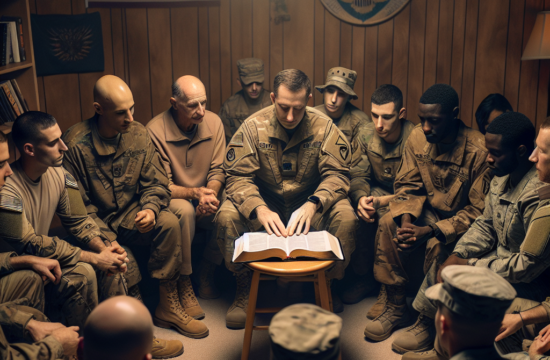
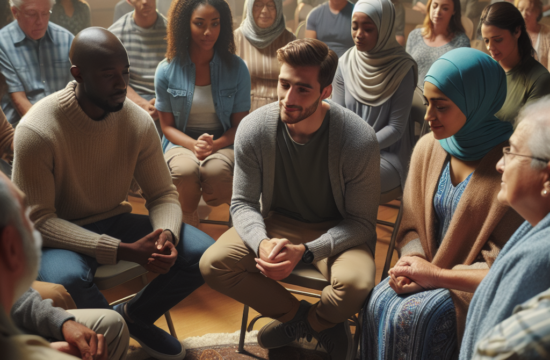
Worship services offer more than ritual; they are communal avenues for healing. In 2025, many wounded warriors find renewed strength by participating in church services, singing hymns, and engaging in prayer circles. Worship reinforces the message that they are not alone in their journey, fostering a bible strength for wounded warriors grounded in community faith.
Group worship provides an atmosphere of shared hope, where personal stories of healing inspire others. Moreover, singing praises and listening to sermons about resilience and divine love empower warriors to face their challenges with renewed vigor.
3.2 Building Support Networks
Support groups within churches or veteran ministries serve as safe spaces for open sharing. These networks offer emotional support, practical help, and spiritual mentorship, vital for long-term healing. Connection with fellow wounded warriors and believers helps diminish feelings of isolation and shame.
In 2025, digital platforms also facilitate virtual support groups, broadening access to biblical encouragement and fellowship. These communities strengthen the bible strength for wounded warriors by providing ongoing spiritual nourishment and accountability.
3.3 Practical Tips for Engaging in Worship and Community
- Attend weekly church services focused on healing and empowerment.
- Join veteran or recovery support groups that integrate biblical teaching.
- Participate actively in worship through singing, prayer, and volunteer work.
4. Using Biblical Promises for Healing
4.1 Key Verses for Comfort and Restoration
Many wounded warriors turn to biblical promises for comfort, especially when healing seems slow. Verses like Jeremiah 30:17 or Romans 8:38-39 affirm God’s unwavering love and promise to restore. These timeless words serve as anchors in turbulent times and are crucial components of bible strength for wounded warriors.
In 2025, studies confirm that affirming biblical promises boosts hope and reduces depression among injured veterans. Regularly meditating on God’s promises helps shift focus from pain to divine assurance, facilitating emotional and spiritual renewal.
4.2 Creating Personal Promise Cards
One practical application is writing favorite promises on cards and placing them where they are frequently seenâlike mirrors, nightstands, or lockers. Repeating these promises daily reinforces belief and resilience. Over time, they become habitual sources of strength.
Encourage customizing these cards with personal prayers and affirmations that resonate deeply, creating a personal toolkit of biblical assurances for healing.
Get Support and Help with Recovery! Visit us for more Information and Support
4.3 Incorporating Promises Into Prayer Routines
- Begin prayers by reciting specific promises relevant to current struggles.
- Use a journal to record how each promise manifests in daily circumstances.
- Share stories of answered prayers inspired by biblical promises to encourage others.
5. Personal Testimonies of Spiritual Resilience
5.1 Sharing Inspiring Recovery Stories
Real stories of wounded warriors who found strength through faith can inspire others. For instance, veterans who overcame physical trauma through prayer and scripture affirmations exemplify the potent impact of bible strength for wounded warriors.
In 2025, testimonies shared via social media, blogs, and church events spark hope and motivate many on their healing paths. These stories demonstrate that healing involves mind, body, and spirit working together through divine grace.
5.2 The Impact of Testimonies on Community Healing
Collective sharing fosters a sense of unity. When warriors hear that others have faced similar struggles and found peace through faith, it normalizes their experience and diminishes shame. This shared resilience creates an environment where spiritual growth accelerates.
Support groups that incorporate personal testimonies are especially effective, providing real-life proof that bible strength for wounded warriors can transform suffering into testimony of hope.
5.3 Tips for Sharing Your Personal Faith Journey
- Write your story in a journal or blog to process your experiences.
- Participate in church or veteran meetings willing to share testimony.
- Use social media platforms responsibly to encourage others with your story.
6. Developing a Daily Devotional Routine
6.1 Setting Practical Goals
Consistency is the secret weapon for growing strong in faith. In 2025, wounded warriors are encouraged to dedicate at least 10 minutes daily to devotionals. This habit nurtures bible strength for wounded warriors and fosters ongoing spiritual renewal.
Create a dedicated space for devotionals and set specific timesâmorning, lunch break, or eveningâto build rhythm and consistency. Goals should be realistic; even small steps yield long-term spiritual benefits.
6.2 Recommended Devotional Resources
Numerous apps, books, and podcasts cater to wounded warriors seeking spiritual growth. Choose resources that focus on resilience, hope, and healing â all grounded in biblical truth. Incorporate scripture readings, reflections, and prayer prompts for a holistic experience.
6.3 Making Devotionals a Community Practice
- Start or join a devotional group within your church or veteran circle.
- Share reflections weekly to deepen understanding and accountability.
- Encourage mutual prayer and support as part of the routine.
7. Seeking Professional Spiritual Counseling
7.1 The Role of Faith-Based Counseling
Professional spiritual counseling combines biblical principles with psychological techniques to address trauma and emotional wounds. In 2025, an increasing number of wounded warriors seek such counseling to supplement medical treatments, emphasizing holistic healing.
Faith-based counselors help warriors process grief and injury while reinforcing bible strength for wounded warriors. These sessions foster a safe environment for exploring doubts, fears, and hopes.
7.2 How to Find the Right Counselor
Look for counselors trained in trauma recovery and grounded in biblical teaching. Recommendations from trusted faith communities and veteran organizations can be invaluable. Be patient and select someone you feel comfortable sharing openly with.
7.3 Combining Counseling With Spiritual Practices
- Integrate prayer and scripture into counseling sessions.
- Use biblical affirmations to reinforce insights gained during therapy.
- Practice spiritual exercises between sessions to maintain progress.
Conclusion
As we’ve explored, the journey of healing for wounded warriors in 2025 is greatly supported by the transformative power of bible strength for wounded warriors. Embracing these seven strategies â from prayer and scripture memorization to professional counseling â can help warriors heal deeply and thrive amidst adversity. Remember, faith is a potent force capable of restoring hope, renewing purpose, and fostering resilience in the face of trauma. Whether you’re on your personal path or supporting a loved one, integrating biblical principles can be a vital step toward holistic recovery and thriving in this new chapter of life.
Frequently Asked Questions
Q1: How can the bible help wounded warriors recover emotionally?
The Bible offers promises of strength, comfort, and hope that can significantly contribute to emotional resilience. Scriptures can serve as anchors during difficult times and aid in processing trauma.
Q2: What are effective ways to incorporate bible strength for wounded warriors into daily life?
Practices like prayer, scripture memorization, devotional routines, and community worship help embed biblical strength into everyday routines, fostering ongoing resilience and healing.
Q3: Why is professional spiritual counseling beneficial for wounded warriors in 2025?
Spiritual counseling provides personalized guidance that combines biblical wisdom with mental health support, addressing both emotional trauma and spiritual needs comprehensively.
Q4: Can sharing testimony be useful for healing?
Yes, sharing personal testimonies of faith and resilience can inspire others and reinforce oneâs own healing process, creating a positive cycle of hope and encouragement.
Remember, in 2025, harnessing the power of bible strength for wounded warriors is more accessible and vital than ever. By applying these strategies, wounded warriors can find renewed hope, healing, and purpose beyond their injuries.
Get Support and Help with Recovery! Visit us for more Information and Support
Original Source