
==> Thank you for reading this post! Click Here If you are looking for support and Victory over PTSD.
Table of Contents
- 1. Embracing God’s Promises of Courage
- 2. Prayer and Meditation for Strength
- 3. Building a Supportive Faith Community
- 4. Scripture Memorization for Daily Courage
- 5. Reflecting on Biblical Heroes’ Resilience
- 6. Incorporating Worship and Praise
- 7. Seeking Professional Faith-Based Counseling
- 8. Practicing Forgiveness as a Courageous Act
- 9. Setting Healthy Boundaries with Faith
- 10. Continuing Education on Biblical Healing in 2025
1. Embracing God’s Promises of Courage
The Power of God’s Assurance
One of the foundational elements of biblical courage for trauma survivors is recognizing and embracing God’s promises found throughout scripture. In 2025, more survivors are turning to God’s Word for reassurance that they are not alone in their healing journey. Verses such as Joshua 1:9 remind us, “Be strong and courageous. Do not be afraid; do not be discouraged, for the Lord your God will be with you wherever you go.” This promise provides a powerful anchor during times of emotional turbulence.
Living out these promises helps trauma survivors develop resilience rooted in faith. When doubts and fears emerge, recalling God’s assurances can shift focus from personal weakness to divine strength. This practice encourages a mindset where courage is seen not as the absence of fear but as trusting in God’s unwavering presence and power.
Research indicates that faith-based coping strategies significantly boost resilience among trauma survivors. In 2025, integrating God’s promises into daily routines has become a recommended intervention, fostering hope and fostering biblical courage for trauma survivors overall. Let’s make it a daily habit to remind ourselves of God’s steadfast promises.
Practical Steps to Embrace God’s Promises
Start by selecting a few key verses that resonate personally, such as Psalm 27:1 or Isaiah 41:10. Write these verses on sticky notes and place them where you can see dailyâyour mirror, car, or workspace. Reflect on these promises each morning to set a courageous tone for the day.
Meditate on God’s Word for a few minutes daily. Consider journaling your thoughts and how God’s promises apply to your specific trauma experiences. Over time, this practice cultivates a biblical mindset centered on divine courage, transforming how survivors face everyday challenges.
Sharing these promises with trusted friends or community groups reinforces their truth and encourages mutual support. Collective faith in God’s promises of courage builds a resilient network vital for trauma recovery in 2025.
2. Prayer and Meditation for Strength
The Role of Prayer in Cultivating Courage
Prayer remains a cornerstone for developing biblical courage for trauma survivors. In 2025, many are discovering that honest, heartfelt conversations with God open pathways to healing and inner strength. Prayer allows survivors to verbalize fears, seek comfort, and receive divine guidance, reinforcing their connection to God’s restorative power.
Engaging in regular prayer routines can strengthen resilience by reminding survivors of God’s sovereignty and care. Itâs a way to lean into divine support, especially when facing feelings of helplessness or despair. Scientific studies highlight that prayer can reduce anxiety and foster emotional stability, which aligns with biblical teachings on trusting God’s plan.
Incorporating structured prayer and meditation sessions into daily life can foster calmness and clarity. For trauma survivors in 2025, this spiritual practice offers a tangible way to build courage rooted in faith and divine strength.
Guided Meditation on Scripture
Using scripture-based meditation enhances the emotional and spiritual benefits of prayer. Take a verse like Philippians 4:13â”I can do all this through Him who gives me strength”âand meditate on it deeply. Visualize yourself embodying that strength, trusting in God’s empowerment.
Set aside time each dayâstarting with five minutesâand focus on breathing slowly while reflecting on biblical promises. This practice calms the mind, reduces trauma-related stress, and elevates feelings of hope and courage. Utilizing secular meditation techniques combined with scripture deepens this experience.
In 2025, many faith centers and therapists are integrating prayer-based meditation into trauma recovery programs, emphasizing that this spiritual discipline nurtures biblical courage for trauma survivors in a unique way.
3. Building a Supportive Faith Community
The Importance of Community Support
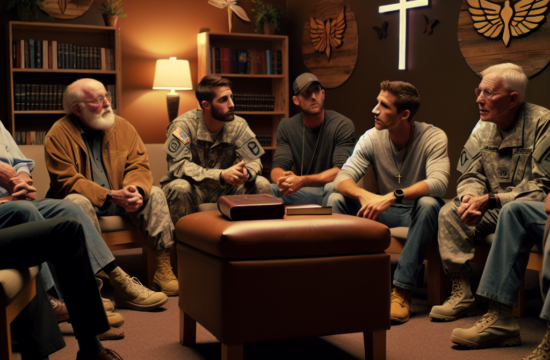
Trauma healing is rarely achieved in isolation; community plays an essential role in fostering biblical courage for trauma survivors. Becoming part of a faith community provides encouragement, accountability, and shared hope. In 2025, faith-based support groups are increasingly recognized for their positive impact on mental and emotional health.
Survivors often find strength in collective prayer, Bible study, and shared testimonies. Knowing that others have faced similar struggles and found courage through God’s Word can be profoundly empowering. Support networks can help combat feelings of loneliness and foster resilience rooted in biblical teachings.
Creating safe spaces within churches, online forums, or local groups allows trauma survivors to openly express their fears and triumphs. Over time, this sense of belonging nurtures biblical courage and helps survivors embrace their journey of healing with faith at the center.
Practical Tips for Building Your Support Network
Start by joining or creating small group Bible studies focused on courage and healing. Encourage openness and vulnerability, fostering an environment where survivors can share their stories and pray together.
Leverage online faith communities to connect with others globally who are seeking biblical courage for trauma survivors. Virtual meetings can be especially useful for those with limited mobility or access to local resources.
Remember, consistent engagement and genuine support are key. As you build a community rooted in faith, you’ll find that “biblical courage for trauma survivors” grows stronger through shared hope and divine connection.
4. Scripture Memorization for Daily Courage
The Power of Memorized Scripture
Memorizing key Bible verses is a practical and effective way to nourish biblical courage for trauma survivors daily. In 2025, research shows that intentionally memorizing scripture enhances emotional resilience, especially during moments of crisis or fear. It allows survivors to access divine truth instantly when most needed.
Visualize reciting encouraging verses like Joshua 1:9 or Psalm 31:24 in your mind, anchoring yourself in God’s promises. This mental discipline can combat negative thought patterns and replace them with faith-based affirmations that foster courage and hope.
Furthermore, memorized scripture can serve as an anchor during flashbacks or overwhelming emotions, providing comfort rooted in faith. Developing this habit transforms survivors into walking testimonies of God’s strength within themselves, even in challenging circumstances.
Tips for Effective Scripture Memorization
- Choose a few verses each week to focus onâquality over quantity.
- Write verses on index cards or use apps designed for scripture memorization.
- Recite the verses daily, aloud if possible, to reinforce memory and confidence.
Combine this with prayerful reflection, asking God to embed His Word within your heart. As the scripture becomes ingrained, biblical courage for trauma survivors will become a natural response to life’s difficulties.
5. Reflecting on Biblical Heroes’ Resilience
Learning from Biblical Figures
In 2025, trauma survivors are increasingly drawing inspiration from biblical heroes who overcame incredible adversity through God’s strength. Figures like Joseph, David, and Ruth exemplify resilience fueled by unwavering faith. Reflecting on their stories can ignite biblical courage for trauma survivors facing modern challenges.
Joseph’s journey from betrayal to leadership demonstrates that even severe trauma can lead to divine purpose. Davidâs courage in facing Goliath shows that faith empowers us to confront giants in our lives. Ruth’s loyalty and resilience highlight the importance of trusting God’s plan during difficult seasons.
Using these stories as a blueprint encourages trauma survivors to see struggles as part of God’s greater plan, strengthening their courage to persevere. Biblical heroesâ resilience becomes a source of hope and a catalyst for personal growth rooted in faith.
Practical Application of Biblical Hero Stories
Keep a journal of biblical resilience stories and reflect weekly on the lessons they offer. Identify areas in your life where faith can foster similar resilience. For example, facing a difficult situation? Recall David’s trust in God’s strength or Josephâs patience during imprisonment.
Get Support and Help with Recovery! Visit us for more Information and Support
Share these stories in your faith community or with a counselor to reinforce their relevance. Visualize yourself embodying the courage of biblical heroes as you navigate your healing process. This fosters a resilient mindset grounded in biblical truth.
6. Incorporating Worship and Praise
The Role of Worship in Building Courage
Worship and praise have a powerful impact on biblical courage for trauma survivors. In 2025, many find that singing hymns, listening to uplifting worship songs, or participating in praise continue to uplift spirits and shift focus from pain to divine power. Worship renews hope and reinforces trust in God’s sovereignty.
Music has been shown to reduce stress and induce feelings of peace. When worship is heartfelt, it acts as a spiritual weapon against fear and despair. It reminds survivors of God’s majesty and His ability to heal and restore.
Incorporating regular worship into daily routinesâwhether through personal prayer, church services, or music playlistsâcan significantly foster biblical courage for trauma survivors. It connects them directly with God’s presence, strengthening their faith muscle daily.
Practical Worship Practices for Daily Courage
- Create a playlist of worship songs that inspire courage and hope.
- Incorporate singing and praise into morning or evening routines.
- Attend virtual or local worship services regularly, especially during challenging times.
Making worship central to your healing journey nurtures your connection to biblical courage, empowering you to face each day with renewed faith and resilience.
7. Seeking Professional Faith-Based Counseling
The Impact of Faith-Integrated Therapy
In 2025, faith-based counseling has gained prominence as an effective approach for trauma survivors seeking biblical courage for trauma survivors. Therapists trained in integrating Scripture and spiritual principles help clients process trauma within their faith framework.
This approach provides a safe space where survivors can explore emotional wounds while anchoring their healing in biblical truth. Faith-based counselors often incorporate scripture, prayer, and spiritual practices to foster resilience and courage.
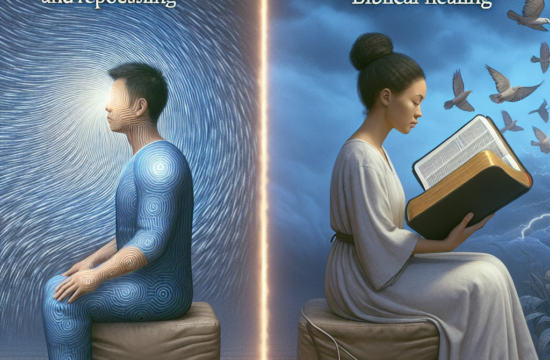
Research supports that combining psychological therapy with spiritual components enhances recovery and promotes lasting resilience. For trauma survivors, this means that healing is not just psychological but also spiritual, rooted in biblical courage.
How to Find a Faith-Based Therapist
Start by asking for referrals within your faith community or searching online for licensed therapists who specify faith-based services. Look for credentials indicating training in trauma and spiritual integration.
Prepare questions about their approach to biblical courage and healing, ensuring they align with your faith journey. Remember, seeking professional help is a sign of strength and a step toward acquiring biblical courage for trauma survivors.
8. Practicing Forgiveness as a Courageous Act
The Biblical Foundation for Forgiveness
Forgiveness is one of the most courageous steps for trauma survivors seeking biblical courage for trauma survivors. Jesusâ teachings in Matthew 18:21-22 stress the importance of forgiving others, not just for their benefit but for healing ourselves. Forgiveness releases victims from the heavy burden of anger and bitterness.
Studies in 2025 continue to affirm that forgiveness can reduce anxiety, depression, and physiological stress. In a biblical context, forgiveness aligns with God’s grace and love, fostering emotional resilience and spiritual growth.
Practicing forgiveness might be challenging, but it is a vital act of faith that builds biblical courage by promoting freedom and healing from trauma.
Steps Toward Forgiving Others
- Pray for divine strength to forgive and seek God’s help in letting go of pain.
- Identify the hurt and express your feelings honestly to God.
- Take deliberate, prayerful steps toward forgiving those who have wronged you, understanding it is a process.
Remember, biblical courage for trauma survivors is about trusting God’s ability to heal wounds and empower us to forgive. This act of faith releases survivors to move forward in hope and resilience.
9. Setting Healthy Boundaries with Faith
The Biblical Importance of Boundaries
Healthy boundaries are essential for trauma survivors who seek biblical courage for trauma survivors. In 2025, many faith leaders emphasize that setting boundaries is not selfish but a courageous act rooted in biblical principles like respect, self-care, and stewardship of one’s emotional health.
Jesus modeled boundaries by withdrawing to pray and prioritizing His mission. Likewise, survivors can establish boundaries to protect their healing space, ensuring they nurture their mental, emotional, and spiritual well-being.
Boundaries help prevent re-traumatization and foster a safe environment where survivors can grow in faith and courage. They reflect trust in God’s guidance and recognition of one’s worth.
Practical Tips for Establishing Boundaries
- Identify and communicate your limits clearly and compassionately.
- Pray for wisdom and discernment to maintain healthy boundaries.
- Revisit and adjust boundaries as needed, trusting God’s direction.
Practicing boundary-setting according to biblical principles nurtures courage, resilience, and a balanced faith journey in 2025.
10. Continuing Education on Biblical Healing in 2025
Staying Informed and Empowered
To sustain biblical courage for trauma survivors, ongoing education about biblical healing methods is essential in 2025. Many churches and faith organizations now offer workshops, courses, and seminars focused on trauma and recovery rooted in Scripture and faith-based principles.
Learning new insights about how biblical teachings address trauma can inspire survivors and caregivers to adopt the most effective strategies. Staying informed helps in dispelling misconceptions and equips faith communities to better support healing journeys.
Reading books, attending conferences, and joining online courses focus on how faith, hope, and courage intertwine in trauma recovery, empowering survivors to remain resilient and biblically courageous.
Resources for Continued Learning
- Reputable Christian trauma recovery programs and certifications.
- Biblical counseling courses specializing in trauma.
- Online platforms offering updated research and testimonies related to biblical healing.
Investment in ongoing biblical education enhances the ability of trauma survivors to cultivate biblical courage for trauma survivors continually and effectively in 2025.
Frequently Asked Questions
Q1: What is biblical courage for trauma survivors?
Biblical courage for trauma survivors refers to the strength and resilience derived from trusting in God’s promises and power to heal and sustain through difficult times. It combines faith, hope, and divine guidance to overcome emotional scars.
Q2: How can I develop biblical courage in 2025?
You can develop biblical courage by engaging with Scripture regularly, praying, building community support, practicing forgiveness, and seeking professional faith-based counseling. Consistency and reliance on God’s promises are key.
Q3: Why is prayer important for trauma recovery?
Prayer provides a direct communication line with God, offering comfort, reassurance, and divine strength. It helps foster trust in God’s plan, which is essential for cultivating biblical courage for trauma survivors.
Q4: How does community support boost resilience?
Being part of a supportive faith community offers encouragement, shared hope, and accountability. It reminds trauma survivors they are not alone and helps cultivate biblical courage through collective faith and prayer.
Q5: What role does scripture memorization play in healing?
Memorized scriptures serve as immediate sources of comfort and strength during challenging moments. They reinforce divine truths, foster resilience, and cultivate biblical courage
Get Support and Help with Recovery! Visit us for more Information and Support
Original Source