
==> Thank you for reading this post! Click Here If you are looking for support and Victory over PTSD.
- 1. Strengthening Faith Through Scripture
- 2. Cultivating Resilience with Prayer
- 3. Leading with Integrity and Faith
- 4. Building Brotherhood and Support
- 5. Navigating Moral Dilemmas Biblically
- 6. Finding Purpose in Service
- 7. Preparing Spiritually for Future Challenges
1. Strengthening Faith Through Scripture
Understanding the Power of God’s Word
For soldiers facing the physical and emotional challenges of 2025, biblical guidance for soldiers begins with deepening faith through the study of Scripture. The Bible offers timeless truths that bolster confidence and provide direction in uncertain times. Regular scripture reading helps to fortify the spirit, especially when external pressures threaten mental resilience.
Research indicates that consistent engagement with biblical texts enhances emotional stability and resilience. Soldiers who incorporate daily scripture into their routines report feeling more grounded and equipped to handle stress. In 2025, where warfare might include cyber threats and psychological warfare, grounding oneself in biblical truth remains a vital strategy.
Practical tip: Create a daily Bible reading schedule, focusing on passages that speak to courage, perseverance, and trust in God. Use apps or devotionals designed for soldiers to stay connected to biblical wisdom amid busy schedules.
2. Cultivating Resilience with Prayer
The Role of Prayer in Mental and Spiritual Strength
Prayer is a powerful tool for cultivating resilience, especially for soldiers who face intense pressure and danger. Biblical guidance for soldiers emphasizes ongoing communication with God to find comfort, direction, and peace. In 2025, prayer can be integrated into daily routines, fostering a continuous connection with the divine.
Many soldiers find that prayer helps them process traumatic experiences and maintain mental clarity. The Psalms, in particular, offer words for every emotionâanger, hope, fear, and gratitudeâmaking them a practical resource for spiritual resilience.
Practical advice: Schedule specific times for prayer throughout your day. Consider prayer walks or journaling to deepen your connection with God and reinforce your resilience amid challenges.
3. Leading with Integrity and Faith
Building Respect and Trust Through Biblical Leadership
Effective leadership for soldiers in 2025 is rooted in biblical principles. Leaders who exemplify integrity, honesty, and humility inspire their teams and foster a culture of trust. Biblical guidance for soldiers highlights qualities such as compassion, justice, and servant leadershipâvalues that remain relevant today.
Numerous studies show that leaders who integrate faith-based values create more cohesive and motivated units. Incorporating actions inspired by Proverbs 11:3 (âThe integrity of the upright guides themâ) into leadership practices helps shape resilient and morally upright soldiers.
Actionable tip: Reflect on biblical stories of leadership, such as David or Nehemiah, and adapt their principles for todayâs military context.
4. Building Brotherhood and Support
Fostering Spiritual Bonds in the Military Community
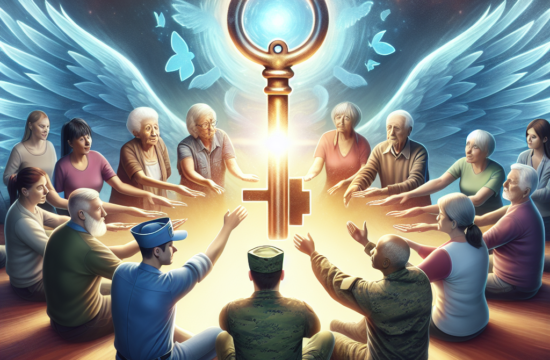
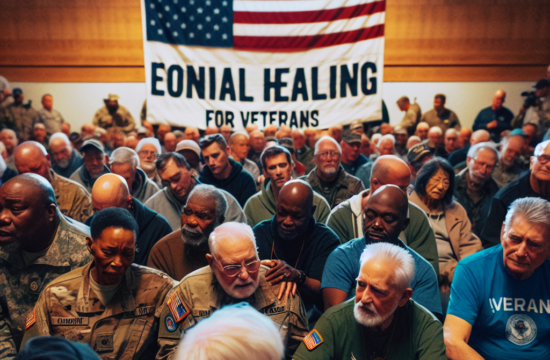
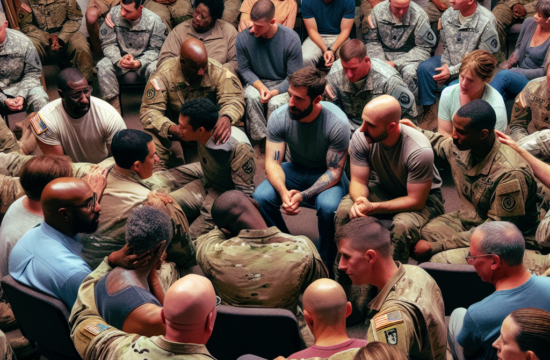
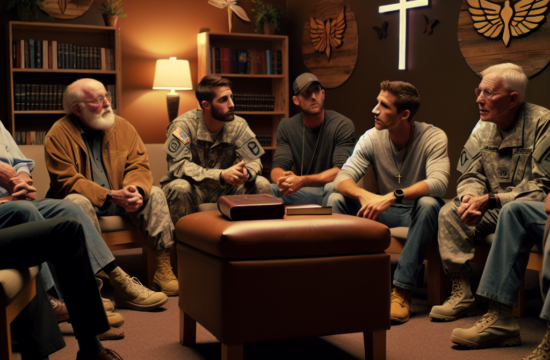
Community support plays a crucial role in the spiritual and emotional wellbeing of soldiers. Biblical guidance for soldiers advocates for brotherhood, mutual support, and accountability. Creating faith-based support groups within military units can be a source of strength and encouragement.
Studies show that soldiers who share their faith and hardships openly tend to exhibit better mental health and resilience. Acts 2:44-46 describes early believers sharing everything and supporting one anotherâan example modern soldiers can emulate to foster unity.
Practical tip: Organize prayer groups or Bible study sessions that respect diverse beliefs but also promote shared faith and support within your team.
5. Navigating Moral Dilemmas Biblically
Applying Biblical Ethics to Modern Warfare
In 2025, soldiers may face complex moral dilemmas such as decisions about collateral damage, just war, or ethical conduct. Biblical guidance for soldiers provides a moral compass rooted in Scripture, helping them make righteous choices even in difficult situations.
Passages like Matthew 5-7, which emphasize integrity, mercy, and peacemaking, serve as foundational principles for ethical decision-making. Leaders equipped with biblical wisdom are better prepared to uphold moral standards under pressure.
Get Support and Help with Recovery! Visit us for more Information and Support
Actionable tip: Develop personal and team-based ethical frameworks based on biblical principles, and discuss challenging scenarios regularly to prepare for real-world dilemmas.
6. Finding Purpose in Service
Aligning Military Service with Biblical Calling
Many soldiers find profound meaning and purpose through biblical guidance for soldiers that emphasizes vocation and service. Scriptures like Ephesians 2:10 remind us that we are created for good worksâa motivation that enhances morale and spiritual health.
In 2025, aligning your role in the military with biblical purpose can foster a sense of divine calling. Recognizing that service contributes to a higher purpose provides soldiers with strength during tough times and inspires perseverance.
Practical tip: Reflect on personal faith, identify how your service aligns with your spiritual values, and seek opportunities to serve with integrity and compassion.
7. Preparing Spiritually for Future Challenges
Building a Foundation for Endurance and Hope
Looking ahead to 2025 and beyond, biblical guidance for soldiers encourages spiritual preparedness for unforeseen challenges. Building a solid spiritual foundation helps soldiers adapt and thrive amid rapid changes in warfare technology and tactics.
Scriptural promises like Joshua 1:9 remind us to be strong and courageousâan essential mindset for future combat scenarios. Developing spiritual resilience now ensures soldiers remain steadfast regardless of what lies ahead.
Actionable tip: Invest in ongoing spiritual education, mentorship, and prayer retreats to strengthen your faith and readiness for the future.
Frequently Asked Questions
Q1: What is biblical guidance for soldiers?
Biblical guidance for soldiers refers to applying Scripture principles and teachings to life’s challenges, leadership, ethical decisions, and spiritual resilience within a military context.
Q2: How can soldiers incorporate biblical guidance into daily routines?
By establishing daily scripture reading, prayer, reflective journaling, and participating in faith-based support groups, soldiers can consistently draw strength from biblical guidance.
Q3: Why is biblical guidance important for military leadership?
It promotes integrity, justice, compassion, and moral clarity, which are essential qualities for effective and ethical military leadership in 2025 and beyond.
Q4: How does biblical guidance for soldiers impact mental health?
Studies reveal that faith-based engagement reduces stress, increases resilience, and provides emotional supportâcrucial benefits for soldiers facing high-pressure situations.
Q5: What role does biblical guidance play in moral decision-making?
It offers a moral compass rooted in Scripture, helping soldiers navigate complex ethical dilemmas while maintaining personal integrity and faithfulness to their values.
Conclusion
In 2025, the importance of biblical guidance for soldiers cannot be overstated. It provides essential strategies for strengthening faith, cultivating resilience, leading ethically, and finding purpose in service. Embracing these seven powerful strategies ensures soldiers are spiritually prepared to face any challenge with courage and integrity. Staying rooted in biblical principles offers a pathway not only to personal growth but also to impactful leadership and unwavering hope in any terrain or circumstance. As we move further into 2025, letâs prioritize biblical guidance for soldiers to build a resilient, morally upright military community rooted in faith and purpose.
Get Support and Help with Recovery! Visit us for more Information and Support
Original Source