
==> Thank you for reading this post! Click Here If you are looking for support and Victory over PTSD.
Table of Contents
- 1. Spiritual Prayer and Devotion
- 2. Scripture Meditation and Memorization
- 3. Community Support and Fellowship
- 4. Therapeutic Approaches in Integration
- 5. Biblical Counseling and Mentorship
- 6. Practical Application of Faith in Daily Life
- 7. Hope and Future Promise in Scripture
- FAQs
1. Spiritual Prayer and Devotion
The Power of Personal Prayer
One of the most fundamental elements in biblical healing for military PTSD is consistent personal prayer. Prayer provides a direct line of communication with God, offering comfort, reassurance, and strength during difficult times. Veterans often find solace in expressing their feelings honestly to God, which can lead to emotional release and inner peace.
Research in 2025 continues to affirm that prayer can significantly reduce symptoms of stress and anxiety, common in PTSD. Many soldiers report that prayer helps reconnect them with their faith and provides a sense of purpose beyond their trauma. Developing a daily prayer routine tailored to personal needs can greatly enhance healing processes.
Practical tip: Set aside specific times each day for prayer and reflection. Use guided prayers from trusted biblical sources or develop your own heartfelt conversations with God, focusing on healing and hope.
Daily Devotional Practices
Integrating devotional practices into daily life creates a spiritual foundation that sustains healing. Incorporate reading scriptures that speak of God’s love, comfort, and deliverance. These passages can serve as anchors during emotionally turbulent moments. For example, Psalms 34:18 reminds us that “The Lord is close to the brokenhearted.”
Creating a sacred space for devotion enhances consistency and focus. Whether itâs a corner in your home, outdoors, or during morning walks, a dedicated environment helps reinforce spiritual habits. Over time, these practices can transform the way veterans view their trauma, fostering resilience rooted in faith.
Actionable tip: Use devotional journals to record insights, prayers, and breakthroughs. This not only tracks progress but also deepens spiritual intimacy.
2. Scripture Meditation and Memorization
The Role of Meditation in Healing
Meditating on scripture is a powerful tool in biblical healing for military PTSD. It allows individuals to internalize God’s promises and truths, replacing negative thoughts with biblical affirmations. Regular meditation helps quiet the mind, reducing anxiety and providing mental clarity.
In 2025, many veterans find that memorizing key verses aids in quick access during moments of acute stress or flashbacks. Meditative practices aligned with biblical texts reinforce hope and resilience, essential elements in PTSD recovery.
Practical advice: Choose calming scriptures like Isaiah 41:10 and Philippians 4:6-7, and set aside time each day to meditate deeply on their meaning. Use visualization techniques to enhance the impact of scripture in everyday life.
Memorization Techniques for Long-term Retention
Memorizing scripture isn’t just about memory; itâs about embedding God’s Word into your heart. Techniques such as repetition, writing verses out, or associating them with personal experiences can improve retention. Using apps or flashcards dedicated to biblical verses enhances this process.
In 2025, digital tools and online communities help veterans share mnemonic devices and encouragement for scripture memorization. Cultivating this habit strengthens spiritual armor, providing a biblical foundation for emotional resilience.
Pro tip: Create a daily routine for scripture review, and incorporate verses into prayer and journaling to deepen their influence.
3. Community Support and Fellowship
The Importance of Christian Fellowship
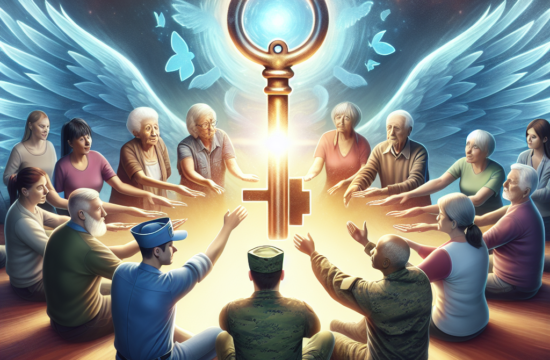
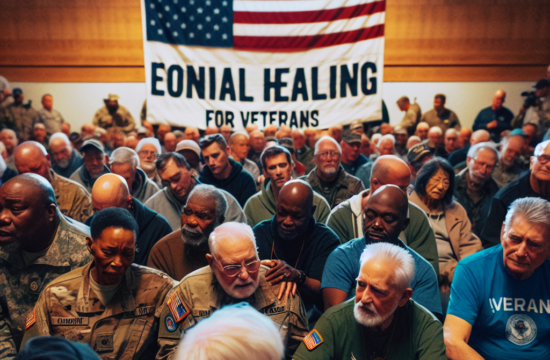
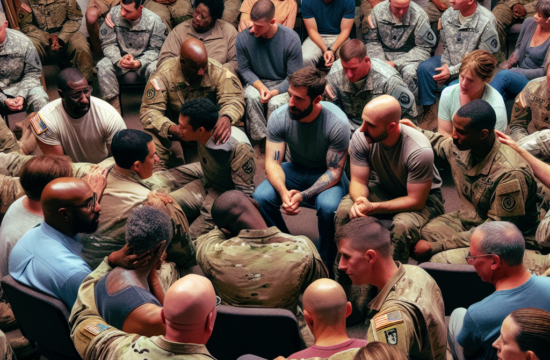
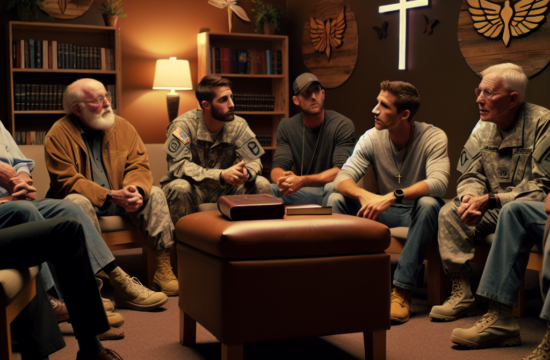
Healing from military PTSD can significantly benefit from shared faith experiences. Biblical healing for military PTSD is often anchored in community, where veterans find understanding and unconditional love. Church groups, support circles, and faith-based programs create safe environments for healing conversations.
Studies in 2025 show that veterans involved in faith-based community activities report lower levels of depression and anxiety. Fellowship fosters accountability, encouragement, and prayer support, all grounded in biblical principles.
Actionable step: Join local or online faith communities. Engage actively by sharing your story, listening to others, and praying together. Spiritual kinship transforms individual healing into collective empowerment.
Building Support Networks with Faith-Based Organizations
Many organizations now offer specialized programs for military personnel that combine biblical teachings with mental health support. These programs tend to emphasize forgiveness, identity in Christ, and hope, aligning with biblical healing for military PTSD.
Networks like military chaplaincy services and veteran ministries provide ongoing mentorship, spiritual counsel, and support during recovery. Connecting with these organizations ensures sustained spiritual nourishment and encouragement.
Suggestion: Reach out to local churches and veteran support groups that offer faith-based programs. Consistent engagement can be a backbone in your healing journey.
4. Therapeutic Approaches in Integration
Integrating Biblical Principles with Therapy
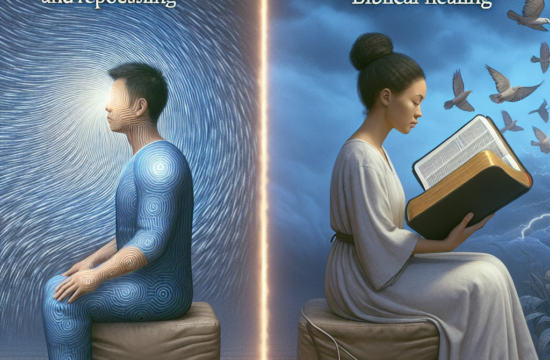
Combining biblical teachings with professional therapy provides a holistic approach to healing. Many licensed therapists now incorporate biblical principles, emphasizing reconciliation with God and oneself. This integration helps veterans address trauma while fostering spiritual growth.
In 2025, faith-informed therapy models show promising results, with veterans reporting increased hope and decreased PTSD symptoms. Techniques like narrative therapy enhanced with scripture can facilitate healing of trauma narratives and promote forgiveness.
Pro tip: Seek therapists trained in faith-based approaches or collaborate with spiritual advisors to complement therapy sessions. This synergy strengthens resilience and spiritual well-being.
Practical Steps Toward Integration
The first step is to openly communicate your faith needs to mental health providers. Incorporate biblical affirmations into daily coping strategies. For example, reciting Psalm 23 during stressful moments reinforces trust in Godâs care.
Participants in faith-based counseling often experience greater trust and openness, allowing for deeper healing. Implementing practices such as prayer interwoven with therapy exercises can accelerate emotional recovery.
Key takeaway: Always seek professional guidance that respects your spiritual beliefs, ensuring a safe and effective healing journey.
Get Support and Help with Recovery! Visit us for more Information and Support
5. Biblical Counseling and Mentorship
Why Biblical Counseling Works
Biblical counseling offers personalized spiritual guidance rooted in scripture. For veterans battling PTSD, this approach can address root issues like guilt, shame, and loss. Counselors act as spiritual mentors, helping to interpret trauma through biblical lenses.
A 2025 review indicates that biblical counseling empowers veterans to reclaim their identity in Christ, fostering forgiveness and acceptance. This process heals emotional wounds with biblical truths at its core.
Tip: Find certified biblical counselors familiar with military culture to ensure relevant and compassionate support tailored to your needs.
Mentorship Programs for Spiritual Growth
Mentorship provides ongoing accountability and encouragement. Experienced mentors can help veterans navigate their faith and trauma recovery simultaneously. Regular meetings, prayer sessions, and shared scripture study strengthen the healing process.
In 2025, many mentorship initiatives incorporate biblical teachings, focusing on hope, perseverance, and healing. These relationships foster a sense of belonging and purpose, critical for overcoming PTSD.
Action point: Seek a mentor who shares your faith and understands military experiences. Building that relational trust can accelerate your healing journey.
6. Practical Application of Faith in Daily Life
Living Out Biblical Principles
Applying faith practically involves integrating biblical values into every aspect of daily life. Whether through acts of kindness, forgiveness, or gratitude, these actions reinforce healing and resilience. For instance, practicing forgiveness frees individuals from prolonged bitterness associated with trauma.
In 2025, veterans report that tangible acts rooted in faith, like volunteering or prayer walks, strengthen their sense of purpose. These practices serve as ongoing reminders of God’s promises and love.
Practical tip: Create daily routines that include scripture reading, prayer, and acts of service. This consistency can rebuild a sense of normalcy and spiritual well-being.
Overcoming Challenges with Faith-Based Strategies
Challenges such as intrusive thoughts or flashbacks are common in PTSD. Scripture-based coping strategiesâlike repeating affirmations or visualizing biblical scenesâoffer effective relief. Faith helps reframe traumatic memories within God’s perspective, promoting healing.
Statistics indicate that faith-driven coping mechanisms in 2025 are associated with lower levels of depression and higher resilience. Consistently applying biblical strategies can empower veterans to face everyday challenges with hope.
Tip: Use personal favorite verses during moments of distress, and develop a toolkit of biblical promises to draw strength from regularly.
7. Hope and Future Promise in Scripture
Embracing the Hope of Salvation
Scripture consistently points to a future filled with hope beyond trauma. Verses like Jeremiah 29:11 assure believers of God’s plans for a future and hope. For veterans healing from PTSD, embracing this hope anchors their recovery and gives purpose to each day.
In 2025, programs emphasize hope-centered scripture to foster resilience. Believing in God’s promises can transform despair into hope, inspiring persistence in healing efforts.
Tip: Memorize and meditate on key verses about hope and future restoration. Visualize God’s promises as you navigate healing.
Moving Forward with Confidence in God’s Promises
Taking steps toward emotional and spiritual renewal involves trusting God’s plan. When faced with setbacks, recalling scriptures about God’s faithfulness can restore confidence. This mindset aligns with biblical healing for military PTSD.
Statistics in 2025 support that a hopeful outlook rooted in scripture correlates with better mental health outcomes. Embracing God’s future promises provides strength to persevere through healing challenges.
Encouragement: Keep a journal of blessings and breakthroughs, reinforcing the journey toward hope and renewal in Christ.
FAQs
Q1: What is biblical healing for military PTSD?
Biblical healing for military PTSD involves using scripture, prayer, faith community, and spiritual counseling to recover emotionally and spiritually from trauma experienced during military service.
Q2: How can prayer help in healing PTSD?
Prayer offers comfort, peace, and connection with God, helping to reduce anxiety and stress. It also provides a safe space to express feelings and seek divine guidance for healing.
Q3: Are there specific scriptures that aid military PTSD recovery?
Yes, scriptures like Psalm 23, Isaiah 41:10, Philippians 4:6-7, and Jeremiah 29:11 are often used for comfort, encouragement, and hope during recovery.
Q4: How does biblical counseling differ from traditional therapy?
Biblical counseling incorporates scripture and faith-based principles, addressing spiritual roots of trauma. It complements traditional therapy but emphasizes spiritual growth alongside emotional healing.
Q5: Can biblical healing for military ptsd be effective in 2025?
Yes, in 2025, many veterans find that integrating biblical principles into their healing process significantly improves emotional resilience, provides hope, and fosters spiritual renewalâmaking biblical healing for military ptsd very effective.
Conclusion
In 2025, biblical healing for military PTSD continues to be a vital pathway for veterans seeking comprehensive recovery. Through prayer, scripture, community, and faith-driven strategies, this approach offers hope, resilience, and renewal rooted in God’s Word. Embracing these 7 powerful strategies can transform trauma into a testimony of divine grace and healing. Remember, your journey toward healing can be profoundly strengthened by biblical principlesâtrust in God’s promises and let His Word guide you to emotional and spiritual restoration.
Get Support and Help with Recovery! Visit us for more Information and Support
Original Source