
==> Thank you for reading this post! Click Here If you are looking for support and Victory over PTSD.
- 1. Faith-Centered Prayer and Meditation
- 2. Scripture-Based Therapy Techniques
- 3. Building a Faith-Focused Support Network
- 4. Forgiveness and Emotional Release
- 5. Anchoring in Godâs Promises
- 6. Worship and Praise as Healing Tools
- 7. Gratitude Practices for Healing
- 8. Seeking Biblical Mentorship and Counseling
- 9. Creative Expressions of Faith
- 10. Maintaining Continual Hope and Faith
1. Faith-Centered Prayer and Meditation
The Power of Prayer in Healing Trauma
One of the most profound biblical help for trauma is prayer. When facing overwhelming pain, turning to God in prayer can bring immeasurable comfort and clarity. Prayer helps us express emotions honestly and reconnect with Godâs peace. Itâs a way to surrender our burdens and find reassurance through scripture and divine presence.
Research in 2025 indicates that regular prayer can reduce anxiety and depressive symptoms by fostering a sense of spiritual connection, which is vital for trauma recovery. For example, many individuals report that prayer provides a safe space to process trauma while feeling supported by a higher power.
Incorporating specific prayer techniques, such as journaling prayers or guided meditation rooted in scripture, can deepen your healing process. Practical tip: Set aside dedicated time daily to meditate on God’s promises, such as Psalm 34:17-18, which assures us that God is close to the brokenhearted.
How Biblical Meditation Transforms the Mind
Biblical meditation involves focusing on scripture and God’s attributes to renew the mind. Unlike secular meditation, biblical meditation directs your thoughts toward truth and hope, vital for replacing negative thought patterns associated with trauma.
By meditating on verses like Isaiah 41:10, believers can find strength and courage amid grief. Consistent biblical meditation can rewire thought patterns, improve mental resilience, and instill a sense of divine purpose. In 2025, many mental health professionals recommend this spiritual practice for trauma recovery.
Proactive tip: Create a habit of Scripture reflection each morning, journaling insights and applying them practically during your day-to-day life. This nurtures faith and instills peace in turbulent times.
2. Scripture-Based Therapy Techniques
Integrating Faith into Trauma Counseling
In 2025, biblical help for trauma increasingly incorporates scripture-based therapeutic practices. These approaches blend spiritual truths with counseling techniques to address emotional wounds more holistically. Many trauma survivors find comfort when therapy sessions include scripture reflection, prayer, and faith discussions.
For example, therapists may use Psalm 23 to help clients visualize God’s guidance and provision during dark times, which aids in restoring hope and trust. This approach validates faith as a vital part of healing.
Practical advice: Find a Christian counselor trained in biblical trauma therapy, or work with your faith community to develop healing activities that incorporate key scriptures relevant to your trauma experience.
Practical Exercises in Biblical Trauma Recovery
Exercises such as writing a letter to God about your pain or memorizing healing scriptures can empower trauma survivors to process feelings from a biblical perspective. These practices foster inner peace and reinforce faith-based resilience.
Studies show that engaging with scripture in active ways enhances emotional regulation and reduces feelings of despair. Take time to meditate on scriptures like 2 Corinthians 1:3-4, which reminds us of God’s comfort so we can comfort others.
Tip: Keep a journal dedicated to scripture reflection and prayers, making it a daily ritual to connect your healing journey with biblical truths.
3. Building a Faith-Focused Support Network
The Role of Fellowship in Healing
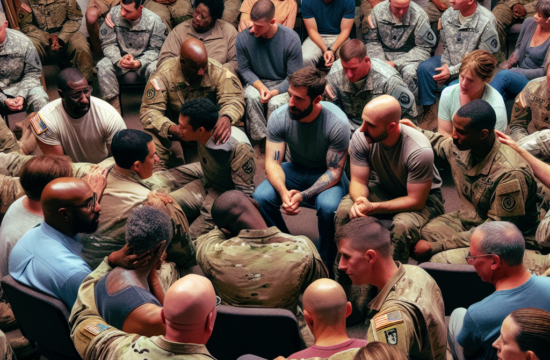
Healing from trauma is rarely a solo journey. Building a community rooted in faith provides emotional strength and accountability. Churches, faith-based groups, and support teams offer safe environments for sharing and prayer.
Statistics reveal that trauma survivors involved in faith communities tend to show faster recovery and greater resilience. These groups help normalize experiences and reinforce biblical help for trauma.
Practical step: Participate actively in church groups or online faith communities. Sharing your story within a loving, spiritual environment fosters hope and offers encouragement rooted in scripture.
Creating Safe Spaces for Support and Growth
Designate spaces within your faith community where individuals feel safe to express pain and seek prayer. These safe spaces should prioritize confidentiality, compassion, and biblical affirmation.
Equipping leaders with trauma-informed knowledge can facilitate meaningful support. In 2025, many churches now offer specialized counseling programs that merge biblical principles with trauma care, emphasizing the importance of biblical help for trauma.
Action tip: Volunteer to lead or support trauma healing groups, ensuring your church or community remains a beacon of hope and biblical help for trauma.
4. Forgiveness and Emotional Release
The Biblical Call to Forgiveness
Forgiveness is central to biblical help for trauma. Scriptures like Matthew 6:14-15 emphasize that forgiving others is essential to healing and spiritual freedom. Holding onto resentment only prolongs emotional pain and blocks divine peace.
Many trauma survivors find that forgiving those who hurt them is challenging but liberating. Forgiveness doesnât mean excusing harmful actionsâitâs about releasing ourselves from the bondage of bitterness.
Research from 2025 highlights that forgiveness can significantly lower stress hormones, enhancing overall well-being. Practical wisdom: Use prayer and biblical promises to foster genuine forgiveness, such as meditating on Colossians 3:13.
Letting Go and Healing
Emotional release techniques, like journaling or prayer, help trauma survivors express raw feelings and surrender pain to God. This aligns with biblical help for trauma by encouraging honest confrontation and divine healing.
Remember, forgiveness is a process. Regularly remind yourself of God’s grace and the healing power available through Christ. Faith in God’s transformative love sustains the journey toward emotional freedom.
Tip: Consider seeking biblical counseling to navigate complex feelings and receive guidance rooted in scripture.
5. Anchoring in Godâs Promises
The Power of Godâs Promises in Difficult Times
Trusting in Godâs promises is a vital part of biblical help for trauma. When fear and uncertainty threaten to overwhelm, anchoring your hope in scripture provides stability and reassurance. Verses like Joshua 1:9 remind us to be strong and courageous because God is with us.
People who focus on God’s promises often report experiencing a deeper sense of security amidst chaos. This spiritual anchoring can transform feelings of vulnerability into confidence grounded in divine faithfulness.
Practical tip: Create a list or a visual board of God’s promises and meditate on them daily, especially during moments of anxiety or despair.
Maintaining Hope During Healing
Ongoing trauma healing requires a deep hope rooted in biblical truth. Regularly recalling God’s faithfulness sustains us through setbacks and struggles. For example, Romans 8:38-39 assures us that nothing can separate us from God’s love.
Professionals in 2025 observe that hope grounded in scripture leads to greater resilience and emotional recovery. Keep focus on God’s unchanging nature to sustain your healing journey.
Action plan: Incorporate scripture memorization into your daily routine to reinforce the foundation of hope and faith in divine promises.
6. Worship and Praise as Healing Tools
The Healing Power of Worship
Worship is a powerful biblical help for trauma because it shifts focus from pain to God’s majesty. Praising God releases burdens and invites His presence into our healing process. Many testimonies show that singing and praising reduce stress and uplift spirits.
In 2025, worship music that emphasizes God’s faithfulness and healing continues to be a vital part of trauma recovery. Psalms, such as Psalm 147:3, promise that God heals the brokenhearted and binds up wounds.
Practical tip: Incorporate worship music into your daily routine, especially during times of distress. Singing or listening to faith-affirming songs can create an atmosphere of divine healing.
Get Support and Help with Recovery! Visit us for more Information and Support
Creating a Worshipful Environment for Healing
Design personal or communal environments where worship is central to healing. This could include prayer rooms, worship nights, or daily devotionals that focus on God’s praise and goodness.
Encourage community singing or musical expression as an outlet for emotions. Creative worship fosters a connection with God that accelerates emotional and spiritual recovery.
Reminder: Use worship as a tool not only for healing but also for ongoing strength, anchoring your faith beyond moments of crisis.
7. Gratitude Practices for Healing
The Biblical Basis for Gratitude
Expressing gratitude is a profound biblical help for trauma. Scriptures like 1 Thessalonians 5:18 instruct us to give thanks in all circumstances. Practicing gratitude shifts focus from pain to recognizing God’s blessings, fostering healing.
People who incorporate gratitude into their healing process often report better emotional health and resilience. Gratitude helps reframe traumatic experiences, highlighting God’s presence and provision.
Practical tip: Keep a gratitude journal where you routinely list things you’re thankful for, including God’s faithfulness, no matter how small.
Daily Gratitude as a Healing Routine
Making gratitude a daily habit cultivates a positive outlook and reinforces faith in God’s goodness. It can be incorporated into prayer, meditation, or quiet reflection.
Research indicates that gratitude practices can decrease symptoms of anxiety and depressionâespecially vital for trauma recovery in 2025. Maintain a habit of thankfulness to build emotional strength and deepen your biblical help for trauma.
Suggestion: Start or end each day with a prayer of thanks, thanking God for His continual presence and promises.
8. Seeking Biblical Mentorship and Counseling
The Importance of Spiritual Mentoring
Spiritual mentorship is an effective biblical help for trauma because it provides personalized support and guidance rooted in scripture. A mentor can help interpret Godâs word in the context of your healing journey.
In 2025, many churches promote mentorship programs designed to assist trauma survivors. These relationships foster accountability, prayer support, and biblical counsel.
Practical advice: Find a trusted spiritual mentor or counselor who understands trauma and can guide you in integrating faith principles into recovery.
Professional Biblical Counseling Options
Combining professional therapy with biblical perspectives offers a comprehensive approach to trauma healing. Certified biblical counselors utilize scripture alongside therapeutic techniques to address emotional wounds effectively.
Research shows that believers engaged in biblical counseling experience faster and more sustainable healing. Make sure your counselor aligns with your faith and understands biblical help for trauma in 2025 contexts.
Tip: Ask for recommendations from your church community and ensure your counselor values the integration of faith and mental health.
9. Creative Expressions of Faith
Art, Music, and Writing for Healing
Expressing faith creativelyâthrough art, music, or writingâcan facilitate emotional release and spiritual healing. Many trauma survivors find new hope when they channel their pain into meaningful creative outlets grounded in biblical themes.
In 2025, creative faith activities are increasingly recognized as therapeutic tools. Painting biblical stories, composing worship songs, or journaling prayers can help process trauma in a safe, expressive way.
Practical tip: Participate in faith-based art projects or start a devotional journal. Use these outlets to meditate on scripture and express your personal healing journey.
Sharing Your Testimony to Inspire Others
Sharing testimonies of God’s healing acts fosters community support and reinforces your faith. Your story may inspire others facing similar struggles, creating a ripple effect of biblical help for trauma.
Incorporate your faith and healing experiences into your testimony, emphasizing God’s promises and faithfulness. This act of vulnerability promotes spiritual growth for you and your community.
Remember: Your story is a testament to divine love and can be a powerful tool for healing and encouragement.
10. Maintaining Continual Hope and Faith
Consistent Spiritual Discipline
Sustaining healing requires ongoing biblical help for trauma. Daily spiritual disciplinesâprayer, scripture reading, worshipâkeep hope alive and deepen trust in God’s plan.
In 2025, ongoing commitment to these practices is linked to better emotional resilience and spiritual maturity. Consistency helps us navigate setbacks with renewed faith.
Action tip: Develop a daily routine that includes time for scripture, prayer, and reflectionâanchors that reinforce your journey of healing and thriving in God’s grace.
Fostering Hope for the Future
Examining God’s promises about future restoration encourages believers to look beyond trauma and towards hope. Verses like Jeremiah 29:11 remind us that God’s plans are for our good and future.
Sharing future visions rooted in biblical hopeâwhether through prayer groups, journaling, or communityâcan elevate your healing experience. Keep faith active and alive for ongoing renewal.
Final advice: Regularly revisit biblical promises and testimonies that inspire hope, turning your focus from pain to divine purpose.
Frequently Asked Questions
1. What is biblical help for trauma?
Biblical help for trauma refers to healing strategies rooted in scripture, prayer, faith communities, and spiritual guidance to support emotional and spiritual recovery from traumatic experiences.
2. How does faith-based therapy work for trauma recovery?
Faith-based therapy integrates biblical principles with counseling techniques, helping individuals process trauma through scripture, prayer, and spiritual support, which enhances emotional resilience and spiritual growth.
3. Can prayer alone heal trauma?
While prayer is a powerful part of biblical help for trauma, comprehensive healing often involves combining prayer with counseling, community support, and practical actions grounded in biblical truth.
4. Why is community important in biblical trauma healing?
Community provides emotional support, accountability, and encouragement, all vital for healing. Faith communities help normalize experiences and reinforce scriptural truths essential in trauma recovery.
5. What are practical steps to incorporate biblical help for trauma in daily life?
Practical steps include daily scripture meditation, prayer, gratitude journaling, involvement in faith communities, and seeking biblical counselingâtools that foster ongoing healing and thriving.
Conclusion
In 2025, biblical help for trauma remains a cornerstone for healing and thriving. By integrating faith-centered prayer, scripture, community, forgiveness, and hope, you can transform painful experiences into a testimony of divine grace. Remember, God’s promises and presence are always available to bring comfort, peace, and restoration. Embrace these 10 powerful biblical trauma strategies to walk your healing journey confidently, knowing that faith is a powerful catalyst for renewal. Keep steadfast in Godâs Word and trust in His divine plan for your healing and thriving today and beyond.
Get Support and Help with Recovery! Visit us for more Information and Support
Original Source