
==> Thank you for reading this post! Click Here If you are looking for support and Victory over PTSD.
- 1. Understanding the Biblical Light in Darkness PTSD Connection
- 2. Embracing Faith-Based Healing Methods
- 3. Incorporating Scripture Into Daily Routine
- 4. Building Support Networks Rooted in Faith
- 5. Practical Meditation and Prayer Strategies
- 6. Overcoming Emotional Darkness with Hope
- 7. Planning for Long-Term Spiritual Resilience in 2025
1. Understanding the Biblical Light in Darkness PTSD Connection
The Spiritual Roots of Darkness and Trauma
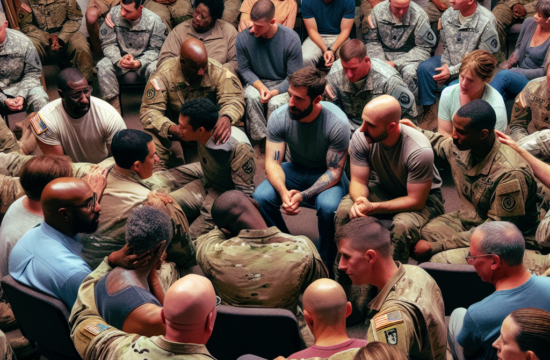
Many individuals struggling with PTSD, especially when rooted in trauma, often find themselves immersed in what feels like spiritual darkness. The concept of biblical light in darkness ptsd highlights the powerful truth that even in the darkest moments of psychological suffering, divine light can shine through. The Bible frequently references God’s light as a symbol of hope, guidance, and healingâelements desperately needed when facing the shadows of trauma.
Research from 2025 shows that faith-based coping strategies significantly decrease symptoms of PTSD. According to studies, individuals who turn to spiritual means report better emotional resilience and a sense of purpose despite their struggles. Recognizing this connection between biblical light and trauma healing can motivate those in darkness to seek divine guidance actively.
Understanding this connection isn’t just theoretical; itâs practical. It helps people reframe their experience, seeing trauma not just as an individual issue but as part of a larger spiritual battle where Godâs light is accessible to illuminate despair.
2. Embracing Faith-Based Healing Methods
Practical Steps for Using Faith in Recovery
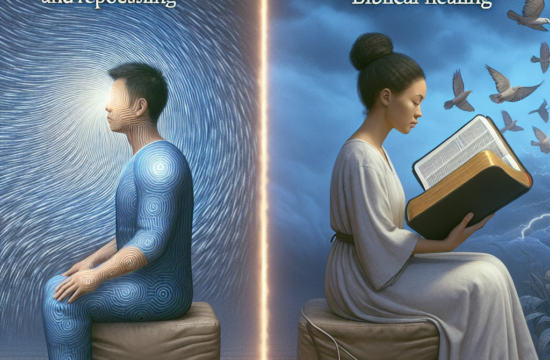
One effective way to combat biblical light in darkness ptsd is to embrace faith-based healing practices. This involves prayer, meditation, and scriptural reflection aimed at inviting God’s light into one’s life. In 2025, many mental health professionals advocate for integrating spiritual practices into therapy to strengthen healing.
For example, praying scriptural promises such as Psalm 23 or Isaiah 61 can serve as anchors of hope. These scriptures remind us that no matter how dark our situation, God’s light remains present and available. Incorporating such practices into daily routines creates a habit of turning to divine guidance during tough moments.
Moreover, community faith groups are often instrumental in this process. Sharing testimonies and prayer requests can foster a sense of support and collective resilience, reinforcing the biblical truth that we are not alone in our struggles.
3. Incorporating Scripture Into Daily Routine
Daily Devotionals and Reflective Practices
Consistency is key in using biblical light to overcome darkness in PTSD. Daily devotional reading and meditation on scripture can serve as powerful tools in redirecting focus from overwhelming fears to divine hope. In 2025, digital apps and online communities make it easier than ever to access biblical content regularly.
Start each day by reading passages that emphasize God’s power and love, such as John 1:5 or Matthew 11:28-30. Reflect on these verses and write them down in a journal to reinforce their message. This habit programs the mind to recognize divine light in every circumstance, gradually diminishing the influence of darkness.
Actionable tip: Create a dedicated space for your daily devotional timeâa quiet corner with a Bible, journal, and a candle. Consistent time, such as morning or evening, helps embed this practice into your routine, creating a spiritual shield against PTSD triggers.
4. Building Support Networks Rooted in Faith
Connecting with Faith Communities
Healing from biblical light in darkness ptsd is often strengthened by a supportive community. Faith communities provide not only emotional support but also spiritual encouragement rooted in biblical principles. In 2025, virtual church groups and online prayer circles have expanded access for those who cannot attend in person.
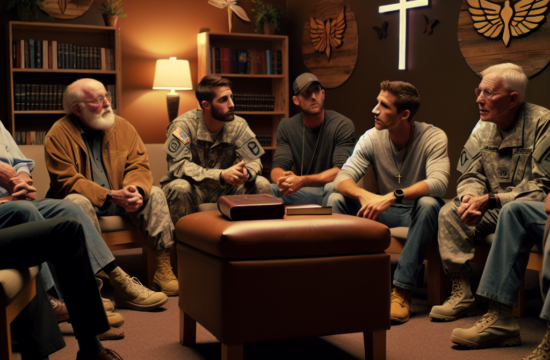
Sharing experiences with others who understand the power of biblical hope can be transformative. Consider joining support groups focused on faith and trauma recovery. These groups often use scripture-based sessions designed to reinforce God’s promise of light amid darkness.
Building this support network may involve reaching out to church leaders or trusted friends for accountability and prayer support. Remember, biblical community can serve as a lighthouse, guiding you through emotional storms and reminding you of divine love and strength.
5. Practical Meditation and Prayer Strategies
Effective Techniques for Spiritual Focus
Combining meditation with prayer is a powerful way to foster biblical light in darkness ptsd. These practices help calm the mind, reduce anxiety, and invite Godâs presence into the healing process. In 2025, mindful prayer apps and guided meditations centered on scripture are popular tools for this purpose.
One method involves choosing a scripture verse, such as Psalm 34:18 (“The Lord is close to the brokenhearted”), and meditating on it during moments of distress. Focus on the words, visualize their meaning, and speak them aloud as a declaration of faith.
Get Support and Help with Recovery! Visit us for more Information and Support
Practical tip: Dedicate 10 minutes daily for prayer and meditation, using a simple breath prayer like âCome, Lord Jesus,â combined with scriptural affirmations. This habit can significantly enhance emotional resilience and help reveal the biblical light shining through the darkness.
6. Overcoming Emotional Darkness with Hope
Turning Biblical Promises Into Personal Hope
Many individuals battling PTSD experience intense emotional darknessâfear, hopelessness, and despair. The biblical promise of light in darkness offers a pathway to hope. Scripture such as John 1:5 or 2 Corinthians 4:6 reminds us that God’s light dispels darkness, even in our darkest moments.
Actionable advice: Write out your favorite hope-filled scriptures and place them where you see daily. Reflect on these promises when feelings of darkness threaten to overwhelm you. This act of memorization and meditation helps reprogram your mind to focus on divine hope.
Beyond personal reflection, engaging in acts of service or kindness rooted in faith can also restore hope. Helping others aligns with the biblical message of love and light, reinforcing your resilience against trauma-related darkness.
7. Planning for Long-Term Spiritual Resilience in 2025
Growing Your Faith Over the Years
Building long-term resilience against PTSD through biblical light in darkness ptsd involves nurturing a steady spiritual life. In 2025, spiritual growth isn’t just about fleeting moments but about sustained practices. Regular Bible study, prayer, and community involvement foster an ongoing connection to divine light.
Create a spiritual growth plan with achievable goals, such as reading the Bible cover-to-cover or participating in annual retreats focused on renewal. Stay accountable by joining faith-based mentorship programs or prayer partners. These efforts help ensure that divine light remains a source of strength for years to come.
Remember, resilience isn’t built overnight. Itâs a gradual process where solid spiritual habits cultivate hope, peace, and healing, illuminating the path away from darkness and into the healing power of biblical light.
Conclusion
In 2025, recognizing the profound connection between biblical light in darkness ptsd and healing is more vital than ever. By understanding scriptureâs role in overcoming trauma, embracing faith-based practices, and building supportive communities, individuals can transform darkness into divine light. The strategies outlined here aim to empower you on your spiritual healing journey, reinforcing that no matter how dark it seems, God’s light is always near. Remember, your faith can be the strongest weapon against PTSD, illuminating your path toward hope, peace, and resilience.
Frequently Asked Questions
What is biblical light in darkness ptsd?
Biblical light in darkness ptsd refers to the spiritual concept that God’s divine light provides hope, healing, and guidance for those suffering from post-traumatic stress disorder rooted in trauma or darkness.
How can faith help in PTSD recovery?
Faith offers emotional support, hope, and a sense of purpose. It encourages prayer, scripture reflection, and community involvement, which help reduce PTSD symptoms and promote resilience.
What are practical steps to incorporate biblical principles into trauma healing?
Steps include daily scripture reading, prayer, meditation on God’s promises, joining faith support groups, and practicing spiritual disciplines consistently to invite divine light into the healing process.
Why is building support networks important for biblical light in darkness ptsd?
Support networks rooted in faith provide encouragement, accountability, and shared hope, amplifying the healing power of biblical light, especially during difficult times.
Can spiritual resilience be sustained long-term in 2025?
Yes, by cultivating consistent spiritual habits such as Bible study, prayer, community engagement, and personal growth plans, you can foster lasting resilience against darkness and trauma.
Get Support and Help with Recovery! Visit us for more Information and Support
Original Source