
==> Thank you for reading this post! Click Here If you are looking for support and Victory over PTSD.
Table of Contents
- 1. Embracing Daily Prayer and Meditation
- 2. Scripture Memorization for Inner Peace
- 3. Connecting with a Faith Community
- 4. Practicing Forgiveness as a Healing Tool
- 5. Applying Biblical Promises During Triggers
1. Embracing Daily Prayer and Meditation
The Power of Consistent Prayer
Establishing a daily prayer routine can significantly strengthen your resilience against PTSD symptoms. Prayer offers a direct line of communication with God, providing comfort and reassurance amid chaos. In 2025, more trauma survivors are turning to prayer as a foundational practice to rebuild their mental health.
Research indicates that regular prayer can reduce stress hormones like cortisol, fostering a sense of calm. When facing PTSD, consistent prayer helps anchor your mind and heart in divine truth, shifting focus from trauma to faith.
Start with a simple morning prayer, expressing gratitude and asking for strength. Over time, this daily habit develops into a powerful source of biblical strength for ptsd, giving you renewed hope and courage.
Mindful Meditation on Scripture
Complement your prayer with Scripture meditation. Choose comforting passages like Psalms 23 or Isaiah 41:10 to focus your mind on God’s promises. Guided meditation apps rooted in biblical teachings are increasingly popular in 2025, helping trauma survivors find peace.
By meditating on God’s Word, you reinforce positive spiritual messages that combat negative thoughts and flashbacks. This practice cultivates a resilient mindset grounded in biblical strength for ptsd.
Allocate 10-15 minutes daily for Scripture meditation, and observe how your emotional health gradually improves.
2. Scripture Memorization for Inner Peace
The Benefits of Memorizing Biblical Passages
Memorizing Scripture is a practical way to carry God’s Word with you in moments of distress. When PTSD symptoms flare up, having biblically anchored verses at your mental fingertips can provide instant comfort and reassurance. In 2025, many Christians find that memorized verses serve as spiritual armor against trauma triggers.
Young and old alike are embracing memorization techniques, including flashcards and apps, to internalize critical passages. This method transforms Scripture from a passive reading to an active defense tool during emotional crises.
Focus on verses that emphasize God’s presence, healing, and strength. Over time, this habit builds a reservoir of biblical strength for ptsd that you can draw from anytime, anywhere.
Effective Techniques for Scripture Memory
Use repetition, visualization, and writing to enhance memorization. For example, write verses on sticky notes to place around your home or workspace. Recite them aloud daily to reinforce memory pathways.
Joining a Scripture memorization group or challenge can also increase motivation and accountability. In 2025, digital platforms facilitate community sharing, making memorization a communal, faith-building activity.
Remember, persistence in Scripture memorization builds a foundation of biblical strength for ptsd that sustains you through life’s toughest moments.
Get Support and Help with Recovery! Visit us for more Information and Support
3. Connecting with a Faith Community
The Role of Fellowship in Healing
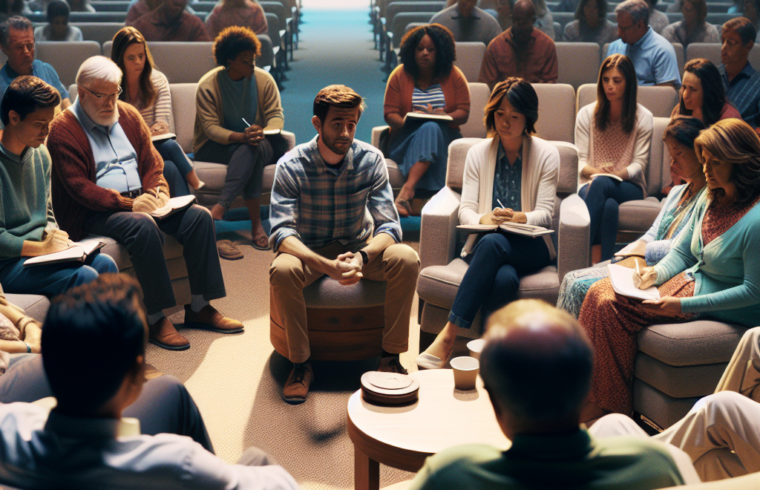
Healing from PTSD is seldom a solo journey, and in 2025, faith communities continue to be vital sources of support. Engaging with a church or small group provides accountability, encouragement, and shared prayer, all of which bolster biblical strength for ptsd.
Many trauma survivors find that participating in supportive church activities creates a sense of belonging that counters feelings of isolation. Fellowship offers a space to express pain and receive biblical comfort through collective prayer and testimony.
Look for groups that emphasize trauma healing through Scripture and spiritual growth. These communities can be instrumental in fostering resilience and hope.
Building Trust Within Your Spiritual Circle
Trust-building is essential when sharing personal trauma stories. Choose a trusted spiritual mentor or counselor who aligns with biblical teachings and understands PTSD challenges. Their guidance can help you apply biblical strength for ptsd more effectively.
Regular participation in faith-based counseling sessions or support groups can deepen your healing journey. In 2025, many faith organizations now incorporate trauma-informed practices to ensure safe, biblically grounded environments for healing.
Active engagement in your faith community nurtures resilience, offers hope, and reinforces your spiritual foundation during difficult times.
Conclusion
In 2025, adopting biblical strength for ptsd has proven to be an effective, faith-centered approach to healing trauma. Whether through prayer, Scripture memorization, community support, or forgiveness, these strategies empower survivors to recover with divine help. Remember, God’s Word and spiritual practices are timeless resources that can provide comfort and resilience amidst life’s challenges. By integrating these ten powerful strategies into your healing journey, you can find hope, peace, and renewed strength. Let faith be your foundation as you navigate PTSD recovery in 2025 and beyond.
Frequently Asked Questions
1. What is biblical strength for ptsd and how does it help?
Biblical strength for ptsd refers to drawing upon scripture, prayer, and faith-community support to overcome trauma-related challenges. It helps by providing comfort, hope, and resilience grounded in God’s promises, which can significantly reduce symptoms of PTSD.
2. How can I start building biblical strength for ptsd today?
Begin with daily prayer, Scripture meditation, and joining a supportive faith community. Consistency in these spiritual practices can gradually bolster your emotional resilience and aid healing.
3. Are there specific scriptures recommended for PTSD recovery?
Yes, verses like Psalm 34:17-18, Isaiah 41:10, and 2 Corinthians 1:3-4 are popular choices for comfort and strength. Working with a spiritual advisor can help personalize your Scripture choices.
4. Can biblical strength for ptsd replace professional therapy?
While spiritual practices provide vital support, they should complement professional mental health treatment. Combining faith-based strategies with counseling offers the most comprehensive healing approach.
5. How do I stay motivated in developing biblical strength for ptsd?
Set small, manageable goals like memorizing a verse weekly or joining a prayer group. Remember that healing is a journey, and consistent faith-based practices gradually build resilience over time.
Get Support and Help with Recovery! Visit us for more Information and Support
Original Source