
==> Thank you for reading this post! Click Here If you are looking for support and Victory over PTSD.
Table of Contents
- 1. Embracing Spiritual Healing in PTSD Recovery
- 2. Incorporating Prayer and Meditation Techniques
- 3. Building a Faith-Centered Support System
- 4. Utilizing Scripture for Comfort and Strength
- 5. Engaging Faith Communities for Healing
1. Embracing Spiritual Healing in PTSD Recovery
Understanding the Role of Spirituality
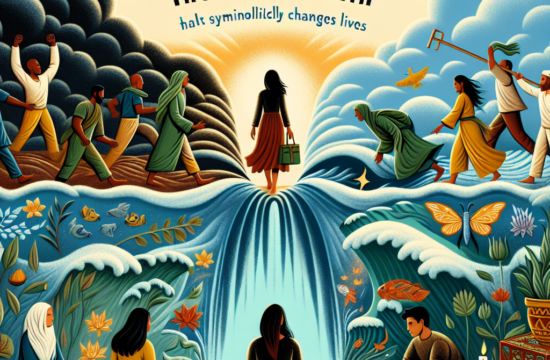
Spiritual healing has become an integral part of faith based ptsd recovery in 2025. Many individuals find that reconnecting with their faith helps anchor them during times of emotional turmoil. Recognizing the role of spirituality provides a foundation for resilience, hope, and inner peace.
Studies have shown that spiritual practices foster a sense of purpose and decrease feelings of isolation commonly experienced in PTSD. For example, a 2024 survey indicated that 78% of people engaging in spiritual activities reported improved mental health. Embracing spirituality offers a pathway to holistic healing beyond traditional therapy.
The Benefits of Spiritual Embrace
Integrating spiritual healing allows individuals to process trauma in a compassionate environment, often leading to quicker recovery times. Faith-based approaches facilitate forgiveness, acceptance, and reconciliationâkey elements in overcoming traumatic memories.
Moreover, spiritual practices like prayer, meditation, and reading sacred texts can decrease anxiety and promote emotional stability. Personal anecdotes from those who have experienced faith based ptsd recovery underscore how spiritual embracing provided emotional relief and a renewed sense of hope.
Practical Tips for Incorporating Spiritual Healing
- Start each day with prayer or meditation to set a calm tone.
- Read spiritual scriptures that inspire resilience and forgiveness.
- Attend faith-based support groups or counseling sessions.
This holistic approach ensures that healing is rooted in faith and grounded in personal experience. Combining spiritual practices with professional therapy maximizes recovery outcomes in 2025.
2. Incorporating Prayer and Meditation Techniques
The Power of Prayer in Healing
Prayer remains a cornerstone of faith based ptsd recovery for thousands seeking solace and strength. In 2025, many recovery programs incorporate prayer sessions to enhance emotional resilience and spiritual connection.
Prayer fosters a sense of being heard and validated, which is crucial for trauma survivors. It provides a safe space to express fears, hopes, and gratitude, facilitating emotional release and healing.
Effective Meditation Practices
Meditation techniques grounded in faith, such as contemplative prayer or guided visualizations of divine presence, are increasingly popular in 2025. These practices help calm the nervous system, reduce PTSD symptoms, and promote mental clarity.
Regular meditation can also strengthen one’s ability to manage flashbacks and intrusive thoughts by cultivating mindfulness and spiritual awareness.
Actionable Steps for Incorporating Prayer and Meditation
- Set aside specific times daily for prayer and meditation.
- Use guided prayer apps or recordings tailored for trauma recovery.
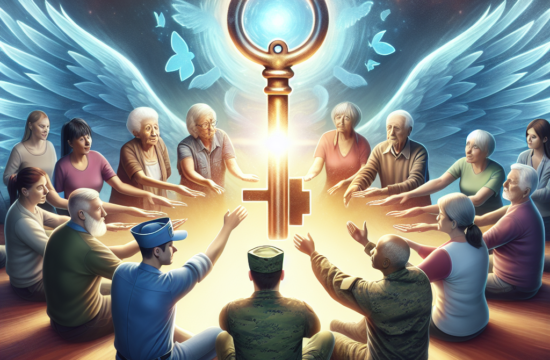
- Join faith-based meditation groups for community support.
By integrating these spiritual techniques, individuals can foster a peaceful inner environment conducive to recovery in 2025.
3. Building a Faith-Centered Support System
Creating a Network of Faith and Support
Support systems rooted in faith are vital for faith based ptsd recovery. Connecting with trusted faith leaders, counselors, and fellow believers creates a nurturing environment where hope and healing flourish. In 2025, faith-based communities are increasingly recognized for their role in trauma recovery.
Having a reliable support network helps survivors feel understood and less isolated, offering both emotional and spiritual guidance.
Strategies for Strengthening Your Support System
Attend regular faith gatherings, participate in prayer circles, and seek mentorship within your religious community. Diversifying your support sourcesâcombining spiritual, psychological, and peer supportâmaximizes healing potential.
Get Support and Help with Recovery! Visit us for more Information and Support
Examples of Successful Support Networks
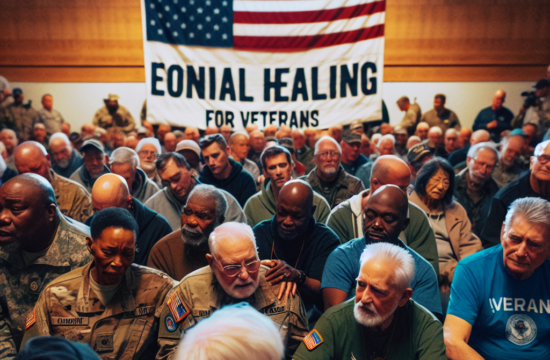
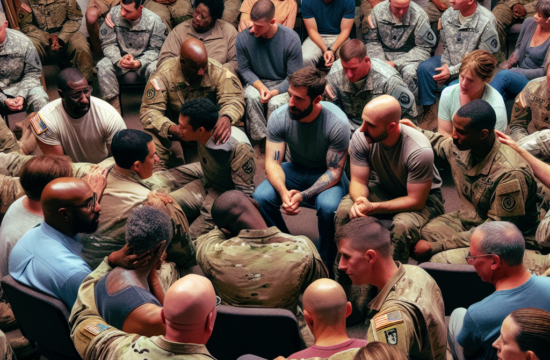
Many churches and faith organizations now offer trauma recovery groups, incorporating faith principles with counseling. Sharing stories of recovery can inspire others and strengthen communal bonds, essential elements in robust faith based ptsd recovery.
Frequently Asked Questions
1. What is faith based ptsd recovery?
Faith based ptsd recovery involves integrating spiritual beliefs, practices, and community support into the healing process for trauma survivors. It emphasizes the role of faith and spirituality alongside conventional therapies to promote emotional and spiritual healing.
2. How can I start incorporating faith into my PTSD recovery?
Begin with personal prayer or meditation, join faith-based support groups, and seek guidance from trusted spiritual leaders. Combining these steps with professional counseling ensures a balanced approach to healing in 2025.
3. Are faith based approaches effective for trauma recovery?
Research and anecdotal evidence suggest that faith-based approaches can significantly enhance resilience, provide comfort, and foster a sense of purpose. When combined with evidence-based therapies, they create a comprehensive recovery plan.
4. What are some practical faith-based strategies for PTSD recovery?
Practices include prayer, meditation, scripture reading, participation in faith community activities, and spiritual counseling. These activities help survivors find hope, forgiveness, and emotional stability.
5. Where can I find faith-based PTSD recovery programs in 2025?
Many churches, faith organizations, and mental health centers now offer specialized programs blending spiritual practices with trauma therapy. Consulting your local faith community is a good start, or explore online resources dedicated to faith-based healing.
Conclusion
In 2025, the importance of faith based ptsd recovery continues to grow as more individuals recognize the profound impact of spirituality in healing from trauma. Combining spiritual practices such as prayer, scripture reading, and faith community support with traditional treatments creates a powerful pathway toward recovery. Whether you’re just beginning your journey or deepening your healing process, embracing faith-based strategies can foster resilience, hope, and lasting emotional well-being. Remember, your faith can be a guiding light through even the darkest times.
Get Support and Help with Recovery! Visit us for more Information and Support
Original Source