
==> Thank you for reading this post! Click Here If you are looking for support and Victory over PTSD.
- 1. Trust in a Higher Power
- 2. Practical Hope-Building Exercises
- 3. Positive Affirmations for Healing
- 4. Connecting with Supportive Communities
- 5. Mindfulness and Spiritual Practices
- 6. Setting Realistic Goals
- 7. Educating Yourself and Exploring Therapies
- 8. Creating Safe Havens for Healing
- 9. Maintaining Hope Through Advocacy
- 10. Seeking Professional Support
1. Trust in a Higher Power
Building Faith as a Source of Strength
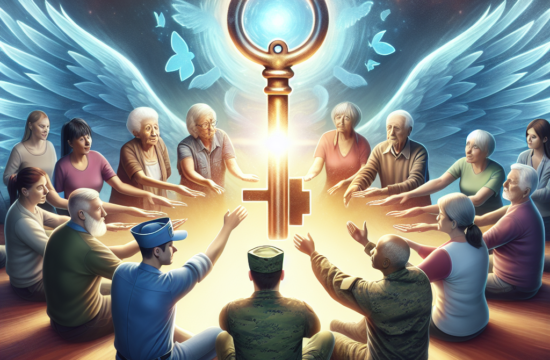
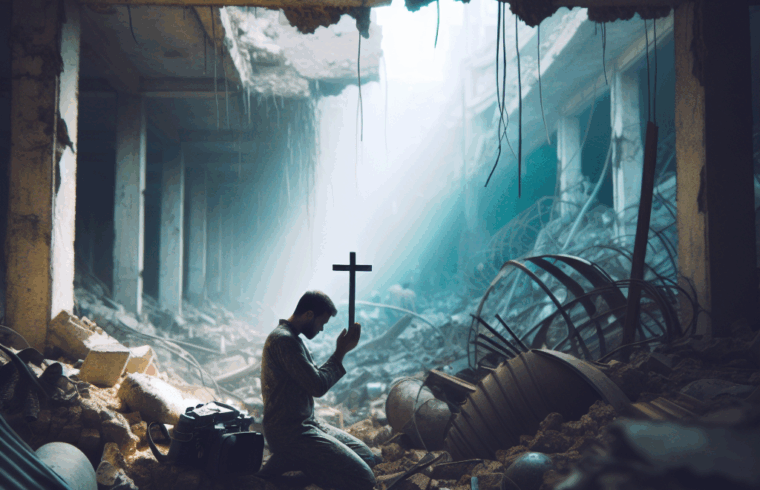
For many PTSD sufferers, faith in a higher power can be a vital source of hope and resilience. In 2025, understanding that someone or something bigger than ourselves can provide comfort gives a powerful sense of security. Trusting in a higher power doesnât mean abandoning scientific treatments; rather, it complements therapy and medication by nurturing the spirit. Many individuals find comfort in prayer, meditation, or spiritual rituals that reinforce their belief in divine support.
Research shows that spiritual practices can reduce anxiety and improve mental health outcomes. For example, a 2023 study found that individuals who engaged in faith-based activities experienced lower PTSD symptom severity. This highlights how faith can serve as an anchor during turbulent times, especially when confronting difficult memories. By cultivating this trust, PTSD sufferers can develop a more hopeful outlook and stabilize their emotional well-being.
Personal stories reveal that surrendering control and trusting in divine guidance can foster patience and acceptance. Whether through prayer, reading sacred texts, or participating in faith communities, nurturing this belief system provides a sense of purpose and reassurance. Ultimately, faith hope for ptsd sufferers often becomes a cornerstone of their recovery journey in 2025.
2. Practical Hope-Building Exercises
Daily Affirmations and Visualization Techniques
In 2025, practical tools like daily affirmations and visualization techniques are increasingly recognized for their effectiveness in fostering hope. For PTSD sufferers, repeating positive statements such as “I am strong,” “Healing is possible,” or “Tomorrow is a new day” can gradually reprogram negative thought patterns. Visualization, on the other hand, involves imagining oneself in peaceful, safe scenarios, helping to reduce anxiety and promote calmness.
Implementing these exercises into a daily routine is simple and accessible. Start by dedicating five minutes each morning to affirmations and visualization. Over time, they become a natural part of your healing process, reinforcing a sense of hope and control. Consistency is key because the brain responds well to repeated positive stimuli, especially during challenging recovery periods.
Research indicates that hope-building exercises can lead to measurable improvements in mental health. A 2024 meta-analysis highlighted how individuals practicing positive affirmations experienced reduced symptoms of distress and increased resilience. This demonstrates that hope isnât just wishful thinking; itâs a skill that can be cultivated intentionally for healing in 2025.
3. Positive Affirmations for Healing
Reframing Negative Self-Talk
Negative self-talk often reinforces feelings of helplessness in PTSD sufferers. Learning to reframe these thoughts with positive affirmations can dramatically shift perspectives. For example, replacing “I am broken” with “I am healing step by step” nurtures hope and self-compassion. In 2025, the emphasis on affirmations is growing, especially with the aid of mobile apps that prompt daily positive statements.
Developing personalized affirmations that resonate with your experience enhances their effectiveness. Write down affirmations that reflect your unique journey and repeat them regularly. Over time, this practice rewires your brain to focus on growth and healing, which strengthens faith hope for ptsd sufferers as they navigate recovery.
Research consistently supports the use of positive affirmations in mental health treatment. According to a 2023 clinical review, affirmations reduce cortisol levels and improve mood among trauma survivors. Making these a daily habit in 2025 can be transformative in maintaining hope and motivation.
4. Connecting with Supportive Communities
The Power of Shared Experiences
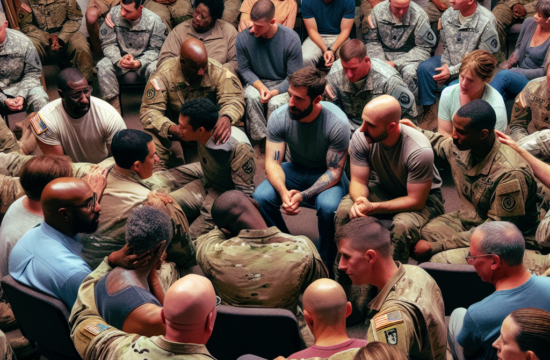
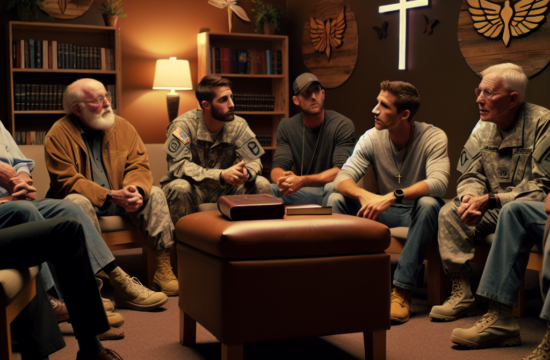
Support groups and online communities offer a vital outlet for PTSD sufferers to share their experiences and find collective hope. Connecting with others who understand your struggles fosters empathy and validation. As of 2025, the trend toward virtual support platforms continues to grow, making it easier than ever to find communities tailored to trauma recovery.
When people share their stories of hope and resilience, it can inspire others to keep moving forward. Be active in local or online groups, participate in group therapy, or join faith-based community activities. These connections reinforce the belief that healing is possible and that no one has to go through their trauma alone.
Studies indicate that social support significantly decreases PTSD symptoms and boosts hope levels. The sense of belonging found in supportive communities can be a powerful catalyst for transformation, fueling faith hope for ptsd sufferers on their journey to recovery in 2025.
5. Mindfulness and Spiritual Practices
Incorporating Mindfulness into Daily Life
Mindfulness, the practice of staying present and aware, has become a cornerstone in trauma recovery. In 2025, integrating mindfulness and spiritual practices like meditation, deep breathing, or gentle yoga helps PTSD sufferers build hope by anchoring them in the present moment. Such practices cultivate acceptance and reduce distressing memories.
Practicing mindfulness regularly can improve emotional regulation and decrease intrusive thoughts. Many apps and online courses cater specifically to trauma survivors, providing guided sessions that foster hope and spiritual connection. These techniques promote a sense of inner peace, which is essential for healing.
Research shows mindfulness-based therapies reduce PTSD symptoms by approximately 30%, with participants reporting increased optimism and hope. Embracing these practices alongside faith-centered routines in 2025 can profoundly impact the healing process, reinforcing faith hope for ptsd sufferers.
6. Setting Realistic Goals
Creating Achievable Milestones
Healing from PTSD is a gradual process. Setting realistic, achievable goals helps maintain hope by providing tangible accomplishments. Break down larger healing objectives into smaller steps, such as practicing daily gratitude, attending one therapy session per week, or engaging in a new coping activity.
Celebrate each milestone, no matter how small. Recognizing progress reinforces belief that recovery is possible, fostering faith hope for ptsd sufferers. Writing a journal or using goal-setting apps can keep track and motivate continued effort.
Research suggests that goal-setting enhances resilience and mental health outcomes. In 2025, a strength-based approach to recovery emphasizes hope within the framework of attainable goals, turning healing into a series of manageable steps that build confidence and trust in the process.
Get Support and Help with Recovery! Visit us for more Information and Support
7. Educating Yourself and Exploring Therapies
Knowledge as Empowerment
Understanding PTSD and available treatments is empowering. In 2025, information is more accessible than ever, with evidence-based resources helping sufferers demystify their condition. Educating yourself about trauma and healing fosters hope because it shifts feelings of helplessness to informed action.
Explore different therapies such as Cognitive Behavioral Therapy (CBT), Eye Movement Desensitization and Reprocessing (EMDR), and newer modalities like neurofeedback. Learning about these options allows you to advocate for yourself and select treatments aligned with your needs.
Statistics reveal that trauma-informed care significantly improves recovery rates. Knowledge creates a sense of agency, which, combined with faith hope for ptsd sufferers, accelerates healing and growth in 2025.
8. Creating Safe Havens for Healing
Designing a Sanctuary at Home
Physical and emotional safety are foundational in PTSD recovery. In 2025, creating a safe space, whether at home or in a community setting, is a vital step. This could mean establishing a calming corner with soothing visuals, noise-canceling elements, or comforting objects that help you feel secure.
Having a dedicated zone for relaxation, prayer, or meditation fosters hope by providing stability and peace. Itâs also helpful to surround yourself with supportive and understanding individuals who respect your healing process.
Research indicates that environment plays a critical role in mental health recovery. A safe haven boosts confidence, resilience, and faith hope for ptsd sufferers, making daily progress more attainable in 2025.
9. Maintaining Hope Through Advocacy
Getting Involved and Spreading Awareness
Advocacy empowers PTSD sufferers to take an active role in their healing and inspire others. Participating in awareness campaigns or supporting policies that improve mental health services in 2025 helps foster a sense of purpose and hope.
When you share your story or support others, it reinforces the belief that healing is possible and that collective action can create change. Advocacy efforts can include volunteering, writing articles, or engaging in social media campaigns.
Evidence suggests that hope is contagious. By becoming an advocate, you not only strengthen your own faith hope for ptsd sufferers but also contribute to a broader movement towards understanding and recovery.
10. Seeking Professional Support
Building a Multidisciplinary Healing Team
Professional help is crucial for effective trauma management. In 2025, a comprehensive approach involves therapists, medical providers, and spiritual counselors working together. Seeking professional support affirms hope many times over because it demonstrates a commitment to recovery.
Choosing trauma-informed professionals who respect your faith and incorporate holistic methods can enhance healing. Combining therapy, medication, spirituality, and lifestyle changes creates a robust support system.
Statistics show that individuals engaged in professional treatment experience faster symptom reduction and develop a stronger sense of hope. As a PTSD sufferer, reaching out for help embodies faith hope for ptsd sufferersâaffirming that healing is an achievable destination in 2025.
Conclusion
In 2025, cultivating faith hope for ptsd sufferers remains a cornerstone of effective recovery strategies. Combining spiritual trust, practical exercises, community support, and professional help builds a resilient foundation for healing. Remember, hope is not just wishful thinking but a powerful force that propels us forward. Whether through faith, mindfulness, or advocacy, embracing these strategies can lead to a brighter, peaceful future. Stay hopeful â your healing journey is possible.
Frequently Asked Questions
1. What is faith hope for ptsd sufferers, and how does it help?
Faith hope for ptsd sufferers refers to the spiritual and psychological belief that healing and peace are possible. It provides resilience, motivation, and comfort, which are essential for overcoming trauma-related challenges in 2025.
2. How can I incorporate faith into my PTSD recovery plan?
Engage in spiritual practices that resonate with you, such as prayer, meditation, or participating in faith communities. Incorporating these elements alongside therapy and medication creates a holistic approach that nurtures hope and healing.
3. Are there specific strategies for building hope after trauma?
Yes. Setting realistic goals, practicing daily affirmations, connecting with supportive communities, and seeking professional support are proven strategies to foster hope after trauma.
4. Why is professional support vital for PTSD recovery in 2025?
Professional help offers trauma-informed care and tailored therapies that significantly reduce symptoms and boost hope. Combining these with faith-based practices strengthens the recovery process.
Get Support and Help with Recovery! Visit us for more Information and Support
Original Source