
==> Thank you for reading this post! Click Here If you are looking for support and Victory over PTSD.
- 1. Cultivating Trust in a Higher Power
- 2. Developing Daily Spiritual Practices
- 3. Building a Supportive Faith Community
- 4. Integrating Mindfulness and Faith
- 5. Embracing Forgiveness and Grace
- 6. Seeking Professional Faith-Based Counseling
- 7. Practicing Patience and Perseverance in Healing
- 2025. Final Reflection and Continuing Growth
1. Cultivating Trust in a Higher Power
The Foundation of Faith in Trauma Recovery
Building trust in a higher power is fundamental to strengthening faith for trauma healing. Many individuals find that surrendering their pain and uncertainties to a divine presence offers a pathway to peace. Trust in a higher power can act as an anchor during turbulent times, providing stability amid emotional upheaval.
Research in 2025 continues to underscore the importance of spiritual trust as a buffer against trauma-related stress. Studies show that people who actively cultivate their faith experience lower levels of anxiety and depression post-trauma. This trust fosters resilience, enabling survivors to navigate their healing journey with confidence.
Personally, Iâve witnessed how developing trust in a higher power can bring hope where despair once lived. By consciously focusing on divine guidance, individuals create a sense of safety that promotes emotional healing and spiritual growth.
Practical Steps to Develop Trust
To cultivate trust, start small by setting intentions during prayer or meditation. Reflect on past instances where faith provided support, and visualize a future where divine strength sustains you through challenges. Journaling these experiences can reinforce your belief in divine guidance.
Engage in regular spiritual rituals, such as prayer, reading sacred texts, or attending services. Consistency helps to deepen your connection and trust. Consider also seeking mentorship from faith leaders or spiritual counselors who can offer personalized encouragement.
Remember, developing trust is a processâbe patient and gentle with yourself. Over time, this spiritual trust becomes a powerful pillar in your trauma healing journey, reinforcing your faith strength for trauma healing.
2. Developing Daily Spiritual Practices
Creating Consistency in Your Routine
In 2025, establishing daily spiritual practices remains one of the most effective ways to bolster faith strength for trauma healing. Consistent routinesâsuch as morning prayers, meditation, or reading scriptureâbuild a sacred space within your busy life. These practices serve as anchors that reinforce your spiritual resilience.
Consistency not only supports emotional stability but also helps to rewire your brain to focus on positivity and divine support. Regular spiritual activities can reduce symptoms of PTSD, anxiety, and depression, according to recent studies. They foster hope and a sense of purpose in recovery.
Start with manageable goals: dedicate five minutes a day initially, then gradually expand your practice time. Use reminders or alarms to keep you accountable. Over time, these daily rituals become ingrained habits that nurture your faith and aid trauma healing.
Effective Techniques for Daily Practice
Techniques such as guided meditation focusing on divine presence, gratitude journaling, or scripture reflection are powerful tools. Incorporate affirmations that reinforce your faith strength for trauma healing, like “Divine strength renews me.” These positive statements boost your confidence and spiritual connection.
Leverage technology by using apps designed for spiritual growth, especially in 2025 when digital platforms are highly advanced. Virtual prayer groups or meditation sessions can energize your routine and provide community support.
Maintain flexibility; if one practice isnât resonating, try others. The key is personalizationâfind what nourishes your soul and keeps your faith strong amidst trauma recovery efforts.
Get Support and Help with Recovery! Visit us for more Information and Support
3. Building a Supportive Faith Community
The Power of Communal Faith
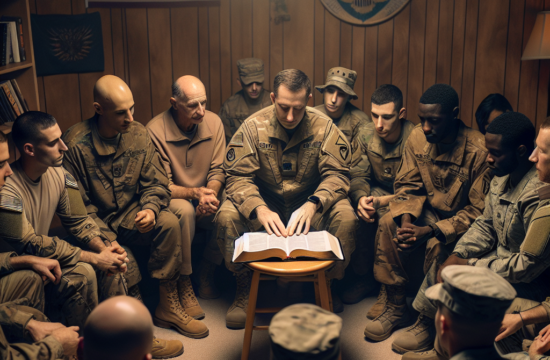
Research in 2025 confirms that being part of a faith community significantly enhances trauma recovery. Supportive groups provide a safe space for sharing experiences, encouragement, and collective prayer. Social connection rooted in faith boosts overall well-being and accelerates healing.
Joining a faith community enables individuals to witness stories of resilience, which can inspire hope and perseverance. Collective worship and faith-based activities foster a sense of belonging, reducing feelings of isolation often associated with trauma.
Iâve seen firsthand how participating in group faith activities transforms healing experiences. The shared belief in divine support creates bonds that carry survivors through difficult times, reinforcing their faith strength for trauma healing.
How to Build Your Faith Support Network
Start by attending local church services, faith groups, or online spiritual communities. Look for groups that align with your beliefs and where you feel comfortable sharing. Participate actively, and consider volunteeringâservice is a powerful way to deepen your faith connection.
Build relationships with faith leaders or mentors who can provide guidance and encouragement. These trusted figures can offer personalized spiritual advice, helping you navigate particular trauma challenges.
Remember, building a community takes time. Be open and patient as you foster meaningful connections. A strong faith community can be a vital resource, empowering your faith strength for trauma healing in 2025 and beyond.
Conclusion
In 2025, harnessing faith strength for trauma healing remains a vital component of recovery. By embracing strategies like trusting in a higher power, developing daily spiritual practices, and connecting with supportive communities, survivors can experience profound resilience and renewal. Remember, healing is a journeyâone that is greatly empowered by unwavering faith and divine strength. Keep cultivating your spiritual resilience, and let your faith be a guiding light through every step of your trauma recovery process.
Frequently Asked Questions
1. How does faith strength for trauma healing help with emotional recovery?
Faith strength provides hope, purpose, and resilience, which are essential for emotional recovery. It offers a framework for understanding suffering and fosters a sense of divine support, reducing feelings of isolation.
2. Can I develop faith strength for trauma healing if Iâm not religious?
Absolutely. Many people find that spiritual practices not tied to organized religion, such as meditation or mindfulness, help build inner strength and resilience essential for trauma healing.
3. What are some practical ways to enhance faith strength for trauma healing in 2025?
Examples include daily prayer or meditation, participation in faith communities, reading sacred texts, and seeking guidance from spiritual mentors. Consistency and openness are key.
4. Why is building a faith community important in trauma recovery?
Supportive faith communities provide emotional encouragement, shared experiences, and collective prayer, which significantly bolster faith strength for trauma healing and overall resilience.
5. How can professional counseling integrate with faith for trauma healing?
Faith-based counseling combines therapeutic techniques with spiritual guidance, addressing both emotional and spiritual needs, leading to more holistic trauma recovery.
Get Support and Help with Recovery! Visit us for more Information and Support
Original Source