==> Thank you for reading this post! Click Here If you are looking for support and Victory over PTSD.
1. Understanding Military Trauma and Forgiveness
What Is Military Trauma and Its Impact?
Military trauma encompasses a range of psychological, emotional, and physical responses to experiences during service. It often results from witnessing violence, loss, or betrayal. Many veterans carry these scars long after their service ends, making forgiveness a complex but vital part of healing. When exploring forgiving others military trauma, it’s crucial to understand how trauma affects the mind and body. Studies show that unresolved trauma can lead to depression, anxiety, and PTSD, which hinder the forgiveness process.
For example, a veteran might struggle with feelings of betrayal from a superior or comrades, which can foster deep resentment. Recognizing these emotional responses is the first step toward forgiving others military trauma. It involves acknowledging pain without letting it define your identity or future.
Research indicates that therapy tailored to military trauma, such as trauma-focused cognitive-behavioral therapy (TF-CBT), can significantly facilitate forgiveness by helping process underlying wounds. Understanding the nature of trauma helps create empathy and opens pathways toward forgiveness.
The Role of Forgiving Others in Healing
Many veterans find that forgiving others is essential for their healing journey. Forgiveness does not mean forgetting or excusing harmful actions, but rather releasing the burden of resentment. When considering forgiving others military trauma, itâs important to differentiate between forgiving and condoning behavior. Forgiving allows you to reclaim your emotional freedom and reduce stress hormones linked to anger and bitterness.
Practicing forgiveness can also improve physical health outcomes, including lower blood pressure and improved sleep quality. For veterans in 2025, understanding that forgiveness is a processâsometimes requiring patience and supportâis vital to recovery.
This journey often involves shifting perspective, which we will explore in subsequent strategies. Remember, forgiving others military trauma is not about forgetting but about healing and moving forward.
2. Accepting Emotional Responses
Recognizing and Validating Your Feelings
The first step toward forgiving others military trauma is accepting your emotional responses. It’s normal to feel anger, betrayal, sadness, or guilt after traumatic experiences. Validating these feelings helps prevent suppression, which can intensify emotional distress over time. For veterans, acknowledging pain is crucial for genuine forgiveness.
For instance, journaling or talking to trusted friends about these feelings can be therapeutic. Recognizing that these reactions are part of a healing process empowers you to move forward at your own pace. Acceptance is about embracing your experience without judgment.
Research shows that emotional suppression can lead to increased cortisol levels, which affect overall health. Therefore, honoring your feelings is both an emotional and physical health strategy.
Processing Triggers and Emotional Responses
Trauma triggers can unexpectedly bring back painful memories, making forgiveness challenging. Learning to identify and process these triggers helps you regain control. Techniques such as grounding exercises, mindfulness, or professional therapy can help in managing overwhelming emotions.
For example, practicing deep breathing or visualization can reduce immediate distress. Over time, processing triggers diminishes their power, opening the door to forgiveness. Remember, emotional responses are natural, but managing them proactively supports your healing journey.
In 2025, advances in neurofeedback therapy have shown promising results in helping veterans rewire trauma-related brain responses, aiding the process of forgiving others military trauma.
Self-Compassion and Patience in Healing
Healing from trauma requires patience and self-compassion. Itâs essential to treat yourself with kindness when feelings of anger or regret surface. Avoid self-blame, and instead, reaffirm your intention to heal. Forgiving others military trauma is rarely an immediate act; itâs a process that unfolds over time.
Practicing daily affirmations and self-care routines supports emotional resilience. Remember, healing is not linear, and setbacks are part of growth. Embracing self-compassion helps you stay committed to your journey of forgiveness.
Studies confirm that self-compassion correlates with lower levels of depression and anxietyâkey factors in forgiving others.
3. Seeking Professional Support
Therapies Effectively Addressing Military Trauma
Professional support can dramatically improve your ability to forgive others military trauma. Therapies like Eye Movement Desensitization and Reprocessing (EMDR) and trauma-informed counseling are specifically designed to reprocess painful memories. Skilled therapists understand the unique experiences of military personnel and can guide you through forgiving processes safely.
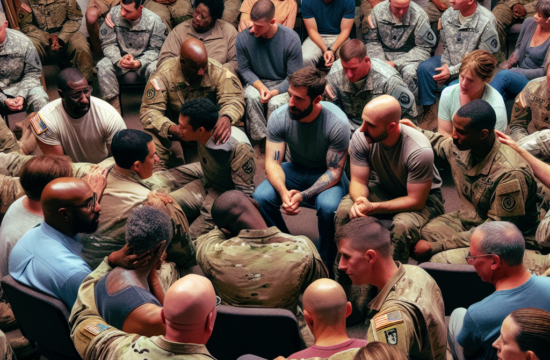
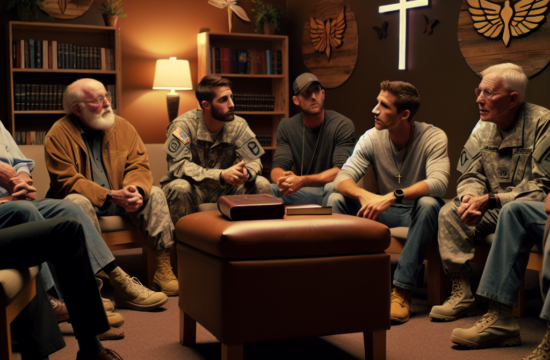
Such support provides a safe space to express feelings and develop coping strategies. Moreover, peer support groups for veterans offer validation and shared understanding, which accelerates healing. In 2025, virtual therapy options have expanded access, allowing veterans to seek help conveniently.
Get Support and Help with Recovery! Visit us for more Information and Support
Participating in therapy helps clarify your feelings, resolve lingering resentment, and develop a healthy outlook on forgiving others military trauma.
Building a Support Network
Healing often depends on a support network composed of family, friends, and veteran communities. Building these relationships offers emotional safety nets, essential for overcoming resistance to forgiveness. Sharing your story with trusted individuals can provide new perspectives and relief.
Involving loved ones in your healing process helps them understand your journey and how best to support you. Remember, forgiveness doesn’t mean facing trauma aloneâsupport is a pillar for sustainable recovery.
Research underscores that social support enhances resilience and mental health, making it easier to forgive others military trauma.
4. Practicing Self-Compassion
Daily Self-Care Techniques
Daily self-care routines play a vital role in fostering self-compassion and readiness for forgiving others military trauma. Simple practices like meditation, physical activity, and healthy eating can improve mood and resilience. When youâre kind to yourself, it becomes easier to extend compassion toward others.
For example, setting aside time for mindfulness meditation has been shown to decrease stress hormones, supporting emotional balance. Engaging in hobbies or activities that uplift you reinforces your self-worth.
In 2025, apps and wearable technology assist veterans in tracking their mental health and encouraging self-care routines tailored to trauma recovery.
Challenging Self-Toxic Narratives
Many veterans internalize negative beliefs about themselves, which can hinder forgiveness. Challenging these narratives involves recognizing and replacing them with affirmations of strength and resilience. This process increases self-esteem and openness to forgiving others.
For instance, replacing thoughts like âI am damagedâ with âI am healing every dayâ promotes a positive mindset. Journaling these affirmations reinforces emotional healing and prepares you for forgiving others.
Research supports that modifying internal narratives correlates with decreased PTSD symptoms and enhanced forgiveness capacity.
Frequently Asked Questions
1. What is forgiving others military trauma?
Forgiving others military trauma involves releasing resentment and bitterness related to traumatic experiences during military service. Itâs a vital part of healing that fosters emotional peace and resilience.
2. Why is forgiving others military trauma important?
Forgiveness reduces stress, improves mental health, and helps veterans reclaim a sense of control and peace. Itâs a key step towards long-term recovery from traumatic military experiences.
3. How can I start forgiving someone for military trauma?
Begin by processing your feelings with the help of professionals or support groups. Practice empathy and self-compassion, and recognize that forgiveness is a journey, not an immediate event.
4. Are there effective strategies for forgiving others military trauma in 2025?
Yes, strategies like trauma-focused therapy, mindfulness, self-compassion, and building social support are proven effective in 2025 for forgiving others military trauma.
5. How long does the forgiveness process typically take?
The duration varies depending on each individualâs trauma severity and support system. Patience and consistent effort are essential components of healing.
Conclusion
In 2025, forgiving others military trauma remains a vital component of healing for many veterans and their families. By understanding trauma, accepting your emotional responses, seeking support, practicing self-compassion, and employing effective forgiveness strategies, you can move toward emotional freedom. Remember, forgiving others military trauma isnât about forgetting what happened but about reclaiming your peace and well-being. Embrace this journey of forgiveness today for a healthier, happier future.
Get Support and Help with Recovery! Visit us for more Information and Support
Original Source