
==> Thank you for reading this post! Click Here If you are looking for support and Victory over PTSD.
- 1. Recognizing Moral Injury: The First Step
- 2. Embracing Forgiveness and Self-Compassion
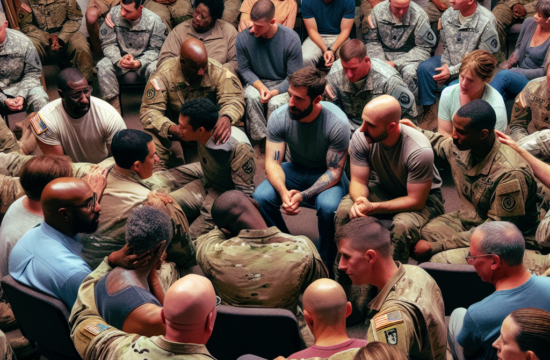
- 3. Building Supportive Communities
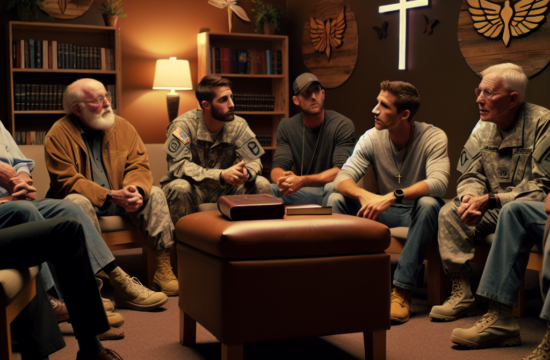
- 4. Incorporating Faith and Spirituality
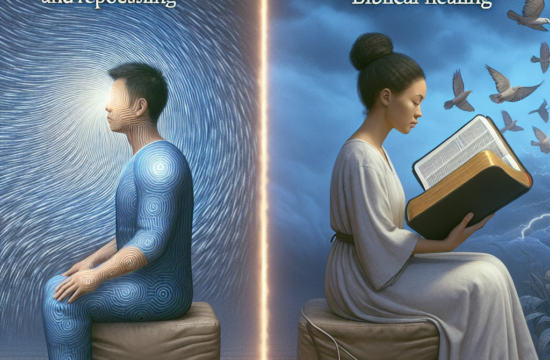
- 5. Professional Therapy and Counseling
- 6. Establishing Healthy Boundaries
- 7. Developing Resilience Through Purpose
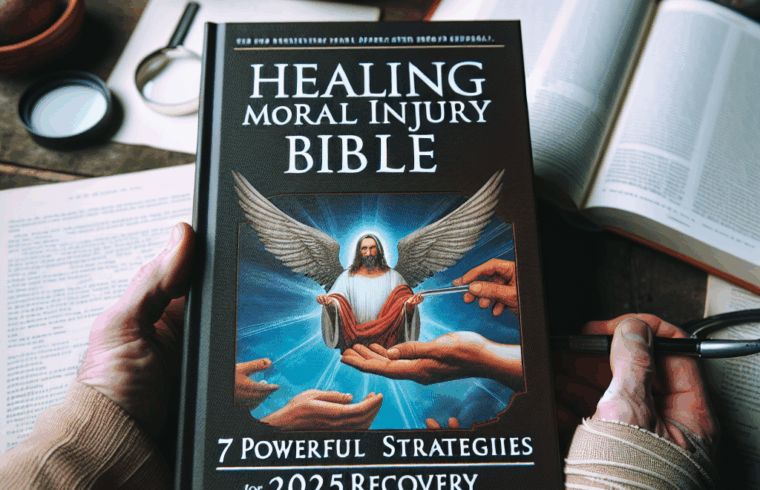
If you’re facing the difficult aftermath of moral injury, you’re not alone. Many individuals, whether from military service, healthcare, or other high-stress professions, experience profound emotional and spiritual wounds. The healing moral injury bible provides essential guidance and strategies for recovery in 2025. This article explores 7 powerful methods to help you navigate this challenging journey, embracing hope and renewal with practical, evidence-based approaches.
1. Recognizing Moral Injury: The First Step
Understanding Moral Injury in Todayâs Context
Moral injury occurs when deeply held moral or ethical beliefs are violated, leading to feelings of shame, guilt, and spiritual despair. Recognition is crucial because many people donât realize they are suffering from this specific kind of harm until it manifests as depression or anxiety. In 2025, awareness about moral injury has grown, with research emphasizing its distinction from PTSD. Recognizing these signs early can significantly improve recovery outcomes.
Common indicators include persistent guilt, loss of trust, feelings of betrayal, and spiritual disconnection. If youâve experienced events that clash with your moral compassâsuch as perceived betrayals or ethical lapsesâyou might be experiencing moral injury. The healing moral injury bible emphasizes the importance of self-awareness and acknowledgment as foundational steps toward healing.
Practical Steps to Identify Moral Wounds
Start by reflecting on your emotional state post-incident. Write down your feelingsâshame, anger, or sadnessâand note recurring thoughts. Talking with trusted friends or mentors can also help clarify whether what youâre experiencing aligns with moral injury. Recognizing these patterns allows you to seek targeted strategies for healing.
Studies from 2025 highlight that early identification correlates with better mental health outcomes. If you feel stuck or overwhelmed, reaching out for professional help rooted in understanding moral injury can facilitate a faster recovery process.
2. Embracing Forgiveness and Self-Compassion
Why Forgiveness Is Central to Healing Moral Injury
Forgiveness, both of oneself and others, is a cornerstone in the healing moral injury bible. It doesnât mean condoning harmful actions but releasing the burden of relentless guilt. Forgiveness restores inner peace and opens pathways toward spiritual renewal, which are vital for recovery in 2025.
Research in 2025 shows that individuals who actively practice forgiveness experience decreased symptoms of depression and anxiety, as well as improved overall well-being. This process involves acknowledging pain, understanding its origins, and choosing to let go of corrosive resentment. The healing moral injury bible recommends forgiveness as a deliberate, ongoing practice.
Practicing Self-Compassion for Deep Healing
Self-compassion involves treating yourself with kindness during vulnerable moments. Instead of harsh self-criticism, recognize your human frailty and the complexity of moral dilemmas. Techniques such as mindfulness meditation, journaling, or seeking support from compassionate communities aid in cultivating self-love.
In 2025, many healing programs incorporate self-compassion exercises as evidence-based practices supporting moral injury recovery. Building this inner resilience is essential, empowering you to face painful truths and grow beyond them.
“
3. Building Supportive Communities
The Power of Community in Overcoming Moral Injuries
Healing moral injury doesnât have to be a solitary journey. Strong, supportive communitiesâwhether religious groups, therapy groups, or peer networksâoffer validation, understanding, and shared wisdom. The healing moral injury bible emphasizes belonging as a critical factor for recovery.
Research in 2025 indicates that community support reduces feelings of isolation and provides practical encouragement. When you surround yourself with empathetic individuals who understand moral injury and its effects, your healing process accelerates. This collective approach fosters accountability, hope, and shared purpose.
Ways to Cultivate Supportive Relationships
Seek out local or online groups dedicated to moral healing, mental health, or spiritual growth. Participating in group therapy or accountability circles can provide safe spaces for sharing vulnerabilities. Remember, you donât have to share everything at onceâbuilding trust takes time.
Practical tips include actively listening to othersâ stories, offering support, and being open about your own experiences. As you forge these connections, they become essential pillars in your recovery journey, guided by the principles outlined in the healing moral injury bible.
“
4. Incorporating Faith and Spirituality
The Role of Faith in Moral Injury Recovery
For many, faith and spirituality form the backbone of moral injury healing. The healing moral injury bible acknowledges that reconnecting with spiritual beliefs can restore purpose, hope, and moral clarity. Whether through prayer, meditation, or sacred texts, spiritual practices help process complex feelings and foster forgiveness.
In 2025, new research reveals that integrating spiritual practices with therapy enhances resilience and emotional health. Faith offers a perspective of divine compassion and unconditional love, often critical in forgiving oneself and others. Re-engaging with core spiritual principles can be a transformative step toward healing moral wounds.
Practical Spiritual Strategies for 2025
Creating a routine of prayer or meditation may include specific intentions to seek forgiveness, compassion, and peace. Reading and reflecting on passages from spiritual texts that emphasize forgiveness and moral resilience is beneficial. Also, participating in faith-based community services enhances connection and purpose.
Remember, the healing moral injury bible encourages personal spirituality rather than dogma, making it a versatile guide for diverse faith backgrounds. This personalized approach ensures that spiritual healing aligns with your beliefs and values.
Get Support and Help with Recovery! Visit us for more Information and Support
“
5. Professional Therapy and Counseling
Effective Therapeutic Approaches in 2025
Professional help tailored to moral injury is a key element outlined in the healing moral injury bible. Therapeutic modalities such as Acceptance and Commitment Therapy (ACT), Compassion-Focused Therapy (CFT), and moral injury-specific counseling address deep-rooted feelings of shame, guilt, and betrayal.
In 2025, therapists increasingly incorporate narrative therapy, helping individuals reframe their moral stories, and trauma-informed approaches that respect the dignity of wounded moral identities. Accessing a skilled mental health professional opens avenues for healing that self-help practices alone might not reach.
Tips for Finding the Right Therapist
Start by seeking practitioners experienced in moral injury, trauma, or spiritual integration. Look for certifications, reviews, and affiliations with restorative practices. Many clinics now offer online sessions, making access easier regardless of location.
The healing moral injury bible underscores that personalized, compassionate professional support is vital. Investing in this step is often essential for profound healing and long-term resilience.
“
6. Establishing Healthy Boundaries
The Importance of Boundaries in Moral Healing
Creating boundaries is fundamental in protecting your emotional and spiritual health during recovery. The healing moral injury bible emphasizes that setting limits helps prevent re-traumatization and fosters self-respect. Boundaries also restore a sense of control over your environment and interactions.
By clearly defining what you are comfortable with, you improve your capacity to engage meaningfully without sacrificing your well-being. This might include saying no to certain social expectations or distancing yourself from toxic relationships that hinder healing.
Steps to Build and Maintain Boundaries
Begin by identifying your limitsâwhat feels safe and supportive versus harmful or draining. Communicate these boundaries assertively but kindly. Practice saying no and reinforce boundaries as needed; consistency is key.
The healing moral injury bible guides you to view boundaries not as barriers but as acts of self-love that nurture your journey toward peace and moral integrity. Integrating this practice helps sustain your recovery long-term.
“
7. Developing Resilience Through Purpose
Finding Meaning After Moral Wounds
Resilience is a core principle in the healing moral injury bible. Rebuilding a sense of purpose restores moral direction and fuels motivation for ongoing healing. In 2025, many individuals find renewal through service, advocacy, or creative expression.
Engaging in activities aligned with your values creates a positive feedback loopâlifting spirits and fostering moral regeneration. For example, volunteering or mentoring others can help transform pain into an empowering force.
Practical Ways to Cultivate Purpose in 2025
Reflect on what values or causes resonate deeply with you. Set achievable goals that contribute to these passions. Regularly review and adjust your purpose to align with your evolving healing journey.
The healing moral injury bible encourages embracing purpose as a powerful tool for resilience. It reminds us that even after moral injury, rebuilding meaning is possible and essential for vibrant recovery.
“
Frequently Asked Questions
Q1: What is the best way to start healing from moral injury?
A: The most effective first step is recognizing and acknowledging your moral wounds. Understanding your feelings and seeking supportâwhether through community, therapy, or spiritual practiceâare foundational in starting your healing journey.
Q2: How does the healing moral injury bible help in recovery?
A: The healing moral injury bible offers practical strategies grounded in spiritual, psychological, and community support principles. It provides a comprehensive guide tailored to address the complex emotional and moral aspects of moral injury, especially relevant in 2025.
Q3: Can forgiveness truly aid in healing moral injury?
A: Yes, forgiveness is a critical component. While it doesnât mean forgetting or excusing harmful actions, practicing forgiveness helps release destructive guilt and shame, fostering inner peace and moral restoration.
Q4: How important is professional help for moral injury recovery?
A: Extremely important. Therapists trained in trauma and moral injury can facilitate deeper healing, especially when combined with spiritual and community support. Professional guidance ensures personalized strategies aligned with your needs.
Conclusion
In conclusion, understanding and implementing the concepts within the healing moral injury bible is vital for effective recovery in 2025. By recognizing moral injury, embracing forgiveness, building supportive communities, and cultivating purpose, you can transform pain into strength. Remember, healing is a journeyâguided by compassion, faith, and resilience. Donât hesitate to take these powerful steps today to restore your moral integrity and inner peace.
Get Support and Help with Recovery! Visit us for more Information and Support
Original Source