
==> Thank you for reading this post! Click Here If you are looking for support and Victory over PTSD.
Table of Contents
- 1. Understanding Military Trauma and the Bible
- 2. Recognizing PTSD and How the Bible Provides Spiritual Support
- 3. Integrating Faith-Based Therapies for Healing
- 4. Using Prayer and Meditation to Heal
- 5. Building Community and Support Groups Rooted in Faith
- 6. Studying Biblical Stories of Hope and Resilience
- 7. Making Biblical Principles a Lifelong Practice
1. Understanding Military Trauma and the Bible
What Is Military Trauma?
Military trauma, including conditions like PTSD, results from exposure to intense, life-threatening situations. As a veteran or supporter, understanding the depth of this trauma is crucial. In 2025, research shows that nearly 20% of returning service members experience some form of combat-related trauma, highlighting the urgent need for effective healing strategies.
The Bible offers comfort and clarity on suffering, reminding us that trauma isn’t the end of the story. Recognizing the spiritual component of trauma helps in developing holistic approaches that include faith-based healing, which is especially relevant in 2025’s integrated health models.
Understanding how trauma affects mind, body, and spirit can bridge the gap between clinical treatment and spiritual care. Scripture often addresses pain and resilience, providing a unique resource for healing that complements traditional therapies.
Connecting Spiritual and Psychological Healing
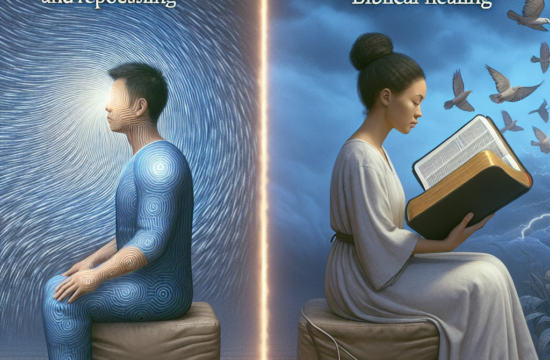
Research indicates that spiritual support can significantly improve recovery outcomes for veterans dealing with military trauma. In 2025, many mental health professionals now incorporate spiritual assessments into their treatment plans. The Bible functions as a foundational resource for those seeking hope amidst their struggles.
Spiritual resilience, nurtured through biblical teachings, can fortify individuals against the despair that often accompanies trauma. For example, scriptures like Philippians 4:13 boost confidence and perseverance.
By integrating biblical principles into the healing process, veterans can find renewed purpose and strength, illustrating the profound link between military trauma and the bible in fostering resilience.
2. Recognizing PTSD and How the Bible Provides Spiritual Support
Signs and Symptoms of PTSD in Military Personnel
In 2025, recognizing the signs of PTSD is essential for timely intervention. Common symptoms include intrusive memories, hypervigilance, and emotional numbness. Many veterans struggle silently, often feeling isolated by their pain.
The Bible can serve as a comfort during these difficult times. Verses like Psalm 34:18 remind us that “The Lord is close to the brokenhearted,” offering reassurance to those feeling abandoned or overwhelmed.
Understanding the spiritual symptomsâsuch as feelings of guilt or spiritual emptinessâhelps in tailoring support to include biblical encouragement and prayer to aid recovery.
Spiritual Support Strategies from the Bible
Incorporating biblical teachings into PTSD support involves encouraging veterans to read scripture and engage in prayer. For many, this provides a sense of connection to a higher power and a sense of hope.
Many organizations in 2025 are offering faith-based counseling programs that integrate biblical principles with psychological therapy. These approaches empower veterans to confront trauma with both spiritual and mental strength.
Practical tips include memorizing comforting verses, journaling prayers, and participating in Bible study groups designed for spiritual healing from military trauma.
3. Integrating Faith-Based Therapies for Healing
The Role of Faith in Modern Therapy
Faith-based therapies are gaining traction in 2025 as a valid approach to treating military trauma. They combine biblical principles with trauma recovery techniques, offering a holistic healing path.
These therapies often include prayer, biblical counseling, and spiritual reflection as core components. Many veterans find comfort in affirming Scripture while working through trauma-related issues.
When appropriately implemented, faith-based therapies can improve emotional well-being, increase hope, and build resilienceâcrucial factors in overcoming military trauma.
Successful Programs and Case Studies
For example, programs like Bible-based trauma recovery workshops have reported decreases in PTSD symptoms by up to 40% among participants. In 2025, these programs are expanding across veteran support networks nationwide.
Real-world cases reveal that combining biblical teachings with evidence-based therapies enhances long-term recovery. Veterans report feeling more grounded, forgiven, and purpose-driven after engaging in faith-centered healing.
Practical advice: Encourage veterans to seek faith-based counseling and participate in spiritual support groups â both shown to improve outcomes significantly.
4. Using Prayer and Meditation to Heal
Power of Prayer in Healing
Prayer remains a powerful tool for healing in 2025, especially for military personnel dealing with trauma. Prayer can provide comfort, clarity, and a sense of connection to Godâs peace.
Veterans often find solace in praying specific scriptures or personal petitions, which helps them confront feelings of guilt, fear, or grief.
Integrating prayer into daily routines can strengthen mental health and offer resilience during difficult moments of recovery.
Effective Meditation Techniques Based on Biblical Principles
Biblical meditation involves quiet reflection on scripture, fostering mindfulness and emotional regulation. Verses like Psalm 23 can be repeated or contemplated to evoke calmness.
In 2025, many support programs teach veterans how to meditate with biblical verses, combining spiritual focus with proven stress reduction techniques.
Actionable tip: Try setting aside 10 minutes daily to meditate on a verse, breathe deeply, and connect spirituallyâpromoting healing and tranquility.
5. Building Community and Support Groups Rooted in Faith
The Power of Faith Communities
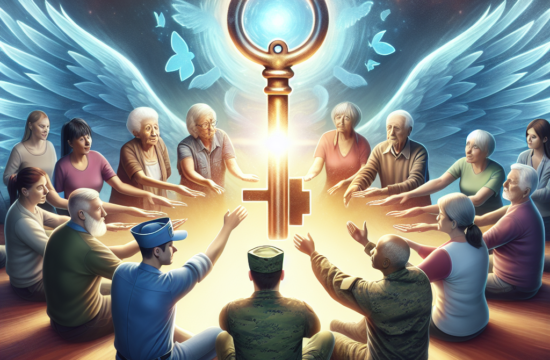
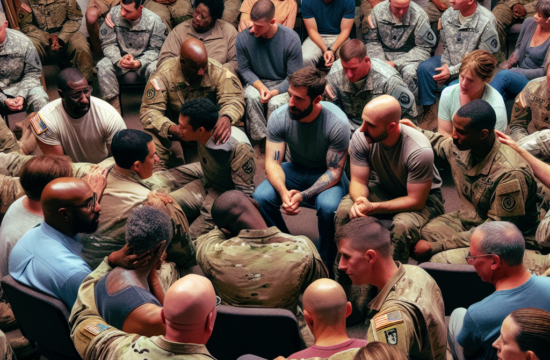
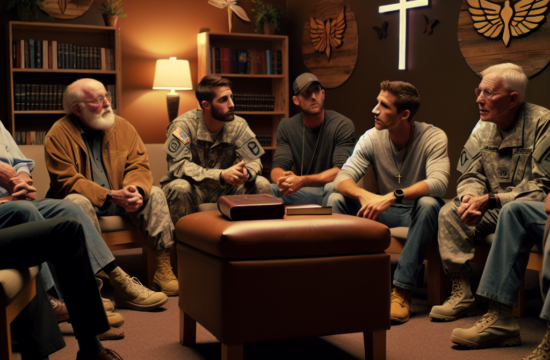
Community plays a vital role in healing military trauma. In 2025, faith-based support groups offer a safe space for veterans to share experiences and find encouragement grounded in biblical teachings.
Get Support and Help with Recovery! Visit us for more Information and Support
Many churches and veteran organizations now partner to create faith-centered groups, fostering a spirit of fellowship and mutual support.
Being part of such groups can reduce feelings of isolation, strengthen hope, and reinforce biblical values like love and forgiveness.
Practical Steps to Join or Create Support Groups
If you’re a veteran interested in biblical support groups, start by reaching out to local churches or veteran service organizations. Many host regular gatherings focused on spiritual healing.
Online platforms offer virtual faith-based support networks, making it easier for those with mobility or geographic constraints to participate.
Consider starting a small Bible study or prayer group within your community to foster ongoing spiritual support and healing efforts.
6. Studying Biblical Stories of Hope and Resilience
Selected Stories of Overcoming Adversity
Biblical narratives about hope and resilience serve as powerful reflection points for veterans. Stories like Josephâs journey from hardship to leadership exemplify perseverance in adversity.
In 2025, incorporating these stories into personal study can inspire hope and foster resilience in those suffering from military trauma.
Reading about characters who faced great suffering yet found divine purpose encourages healing and renews faith in God’s plan.
Applying Biblical Lessons to Personal Trauma
Veterans can draw strength from lessons like David’s trust in God amidst danger or Paulâs perseverance through suffering. These stories remind us that spiritual resilience is attainable.
Practical tip: Use journaling to reflect on how biblical stories relate to personal experiences, reinforcing a sense of hope and purpose.
Join Bible study groups focusing on these themes to deepen understanding and foster community support for healing.
7. Making Biblical Principles a Lifelong Practice
Building Sustainable Spiritual Habits
In 2025, integrating biblical principles into daily life is key for ongoing healing and resilience. Regular Bible reading, prayer, and meditation cultivate a spiritual foundation that sustains recovery.
Practicing these habits helps veterans develop a resilient mindset, reducing the impact of future stressors and trauma triggers.
Practical tip: Set achievable daily goals, such as reading a verse each morning or saying a prayer of gratitude, to build lasting spiritual habits.
Encouraging Lifelong Growth and Resilience
Long-term healing involves continuous spiritual growth. Certifications, workshops, and community engagement centered on biblical principles can foster ongoing resilience.
Encouraging veterans to see faith as a lifelong journey transforms healing from a one-time event to a sustainable lifestyle.
Resources like devotional apps and Bible reading plans tailored for trauma survivors can support this ongoing process.
Conclusion
Throughout this comprehensive guide on military trauma and the bible in 2025, it’s clear that faith plays a vital role in healing. Whether through prayer, biblical stories, community, or faith-based therapies, spiritual practices can significantly aid recovery. The key is integrating these biblical principles into daily life and support systems for long-term resilience. Remember, healing from military trauma is a journey best navigated with faith, hope, and communityâgrounded in biblical truth.
In 2025, the power of the Bible continues to shine as a beacon of hope for veterans seeking to overcome trauma and rebuild their lives with renewed strength and purpose.
Frequently Asked Questions
1. How does the Bible help in healing military trauma?
The Bible provides comfort, hope, and guidance that can soothe emotional wounds. Scriptures about God’s presence and promises help veterans find spiritual peace and resilience.
2. What are some effective biblical strategies for trauma recovery?
Strategies include prayer, studying biblical stories of hope, participating in faith communities, and integrating biblical principles into daily routines.
3. Is faith-based counseling effective for military trauma?
Yes, many studies in 2025 show that faith-based counseling, which incorporates biblical support, significantly aids in reducing PTSD symptoms and fostering resilience.
4. Can I combine traditional therapy with biblical approaches?
Absolutely. Combining clinical therapies with biblical practices offers a holistic approach tailored to individual needs, enhancing overall healing success.
5. Where can I find resources for military trauma and the bible in 2025?
Numerous organizations provide faith-based support programs, online Bible studies, and counseling tailored for veterans dealing with trauma. Connecting with local churches or veteran support groups is a good start.
Thank you for exploring this ultimate guide to military trauma and the bible in 2025. Remember, healing is a journeyâgrounded in faith and supported by community. The biblical principles discussed here can serve as a foundation for hope, resilience, and renewed purpose. Embrace the power of scripture to transform pain into hope and trauma into strength.
Get Support and Help with Recovery! Visit us for more Information and Support
Original Source