
==> Thank you for reading this post! Click Here If you are looking for support and Victory over PTSD.
Table of Contents
- 1. Incorporating Trauma-Informed Therapy
- 2. Building Supportive Reintegration Networks
- 3. Implementing Mindfulness and Resilience Training
- 4. Utilizing Expressive Arts for Emotional Release
- 5. Developing Personalized Forgiveness Plans
1. Incorporating Trauma-Informed Therapy
Understanding Trauma-Informed Approaches
The first strategy in an effective military trauma forgiveness plan is integrating trauma-informed therapy. This approach recognizes the profound impact of trauma on military personnel and veterans, focusing on safety, trust, and empowerment. In 2025, evidence continues to show that trauma-informed therapy significantly reduces feelings of anger, guilt, and shame that often hinder forgiveness processes.
Trauma-informed therapy is tailored to help individuals process painful memories without re-traumatization. For example, techniques like Cognitive Processing Therapy (CPT) or Eye Movement Desensitization and Reprocessing (EMDR) are now standard components of military mental health programs. These therapies help clients reframe their experiences and foster forgiveness both towards themselves and others.
When designing a military trauma forgiveness plan, mental health professionals stress the importance of early intervention. Addressing trauma early on prevents chronic emotional distress and promotes healthier forgiveness pathways. Sharing success stories from veterans who have benefited from trauma-informed approaches demonstrates its vital role in 2025âs core strategies.
Practical Tips for Implementation
Implementing trauma-informed therapy within a military trauma forgiveness plan requires training and collaboration. Care teams should prioritize creating environments of trust and confidentiality, encouraging open dialogue about painful experiences. Integrating these therapies into routine military and veteran healthcare significantly improves outcomes.
One practical tip is to tailor therapy sessions to individual needs, respecting cultural and operational backgrounds. Additionally, including family members in the healing process can strengthen support systems vital for forgiveness. Regular assessments help track progress and adjust strategies accordingly.
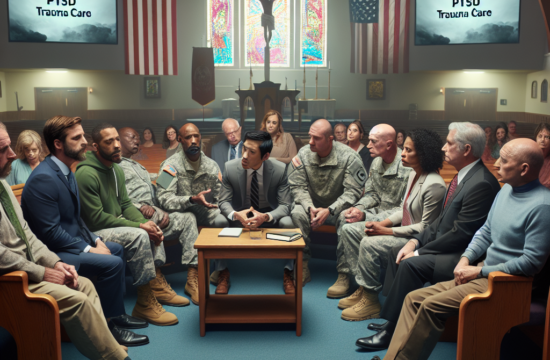
You can enhance the effectiveness of trauma-informed therapy by supplementing it with peer support groups, creating a community of shared understanding. This community aspect empowers individuals, fostering a sense of belonging essential for forgiveness and emotional healing into 2025 and beyond.
2. Building Supportive Reintegration Networks
Creating Community and Peer Support Systems
One of the critical components of a successful military trauma forgiveness plan is establishing strong reintegration networks. Many service members struggle to find understanding and camaraderie after returning from deployment, which hampers forgiveness and acceptance. In 2025, peer-led support groups are proven to be effective in fostering emotional resilience.
Peer support networks offer veterans a space to share their stories, gain validation, and learn from others who have faced similar challenges. These networks promote empathy, reduce stigma, and encourage honest conversations about trauma and forgiveness. Examples include veteran circle groups and community-based support initiatives.
To maximize their benefits, these networks should be facilitated by trained professionals who can guide discussions and provide resources. Building such systems enhances the overall effectiveness of the military trauma forgiveness plan by fostering communal healing efforts.
Engaging Families and Loved Ones
Involving families and close friends is essential for sustainable forgiveness and healing. Support networks should include family education programs that teach loved ones how trauma manifests and how they can assist their veterans in the forgiveness journey.
Family involvement helps bridge communication gaps, rebuild trust, and create an environment of unconditional support. Practical tips include family therapy sessions and joint support activities. These foster understanding and empathy, vital ingredients for forgiveness.
By strengthening reintegration networks, military trauma forgiveness plans can address the broader social context of trauma, ensuring long-term emotional stability for veterans transitioning back into civilian or military life in 2025.
3. Implementing Mindfulness and Resilience Training
The Role of Mindfulness in Forgiveness
Mindfulness techniques have become a cornerstone of mental health strategies for military personnel in 2025. They are particularly effective in enhancing emotional regulation, reducing anxiety, and fostering forgiveness. A military trauma forgiveness plan benefits hugely when integrating mindfulness practices, helping individuals observe their feelings without judgment.
Practices like meditation, breathing exercises, and body scans help veterans stay present and break free from rumination over past traumas. This mental clarity supports their ability to forgive by diminishing the power of painful memories and intrusive thoughts.
Evidence suggests that consistent mindfulness practice can increase gray matter in brain areas associated with compassion and emotional stability, which are critical for forgiveness. Making these tools accessible through apps and training programs ensures broader adoption among service members.
Building Resilience for Long-Term Healing
Resilience training is another essential component. It teaches veterans to adapt positively to adversity, view trauma through a new lens, and recover more rapidly from setbacks. Incorporating resilience strategies like cognitive restructuring and stress management into the military trauma forgiveness plan empowers individuals to confront and move past their trauma constructively.
Resilience also involves physical health, including exercise and sleep hygiene, which directly influence mental well-being. Practitioners recommend developing a personalized resilience plan, combining physical, mental, and emotional practices.
For practical implementation, leadership can incorporate resilience modules into ongoing military training, emphasizing forgiveness as a resilience skill. Such holistic approaches are shaping the most effective trauma recovery programs in 2025.
Get Support and Help with Recovery! Visit us for more Information and Support
4. Utilizing Expressive Arts for Emotional Release
Healing Through Artistic Expression
The expressive arts â including art therapy, music, dance, and writing â have gained recognition as powerful tools in a military trauma forgiveness plan, especially in 2025. These methods allow veterans to process complex emotions and trauma that might be difficult to verbalize. Artistic expression creates a safe space for catharsis and self-discovery.
For example, veterans participating in art therapy report decreased feelings of depression and increased ability to forgive. Creative activities serve as non-verbal outlets, helping individuals confront and integrate traumatic memories while fostering self-compassion.
Implementation can include community art projects, individual therapy sessions, and workshops designed specifically for military populations. This approach makes forgiveness a compassionate and creatively rich process.
Practical Tips for Incorporation
Offering accessible arts programs within veteran centers and military health services is crucial. Encouraging regular engagement through group projects or personal creative pursuits can facilitate emotional release. Therapists should be trained to guide expressive arts as part of the broader military trauma forgiveness plan.
Moreover, integrating storytelling and journaling can deepen self-awareness and enhance forgiveness. Dedicating space for creative reflection, along with professional support, ensures veterans feel supported and validated throughout their healing journey.
Remember, creative expression can be a transformative tool to unlock forgiveness and promote mental healing in 2025.
5. Developing Personalized Forgiveness Plans
Individualized Approaches for Lasting Healing
No two veterans experience trauma the same way, so a one-size-fits-all forgiveness plan rarely works. Personalization is key. In 2025, developing tailored forgiveness strategies that consider a personâs unique history, cultural background, and emotional needs has become a best practice.
This involves comprehensive assessments and goal-setting, enabling mental health professionals and veterans to co-create action plans. Personalization increases engagement and improves the likelihood of achieving genuine forgiveness.
Examples include customized therapy modules, tailored resilience training, or specific community activities aligned with a veteranâs interests and values. Emphasizing individual agency in the process boosts motivation and accountability.
Actionable Steps for Creating Custom Plans
Professionals should use detailed interviews and psychological assessments to identify barriers and strengths. Technology like digital apps can track progress, offering daily prompts and reflective exercises personalized for each person.
Encouraging veterans to set small, manageable goals fosters a sense of achievement. Celebrate milestones to reinforce positive change and forgiveness progress.
By prioritizing individualized plans, a military trauma forgiveness plan becomes more effective, sustainable, and deeply healing in 2025 and beyond.
Frequently Asked Questions
1. What is a military trauma forgiveness plan?
A military trauma forgiveness plan is a structured approach designed to help veterans and service members process traumatic experiences, reduce emotional burdens, and foster forgiveness towards oneself and others, facilitating emotional healing and resilience.
2. How can trauma-informed therapy aid in forgiveness?
Trauma-informed therapy provides safe, controlled environments where veterans can explore painful memories, reframe their experiences, and work towards forgiveness. This approach reduces the risk of re-traumatization and promotes healthy emotional processing.
3. Why is personalized planning important in forgiveness strategies?
Since each individualâs trauma, background, and emotional needs are unique, personalized forgiveness plans ensure tailored interventions that are more effective, encouraging genuine healing and sustained forgiveness.
4. What role do expressive arts play in trauma forgiveness?
Expressive arts offer non-verbal outlets for processing emotions, reducing stress, and fostering self-compassion. They are powerful tools within a strategic military trauma forgiveness plan, especially for those who find it difficult to discuss trauma openly.
5. What are current trends in trauma forgiveness strategies for 2025?
In 2025, trends include integrating technology, emphasizing community and family support, and tailoring approaches to individual needsâenhancing holistic, sustainable forgiveness processes for military populations.
Conclusion
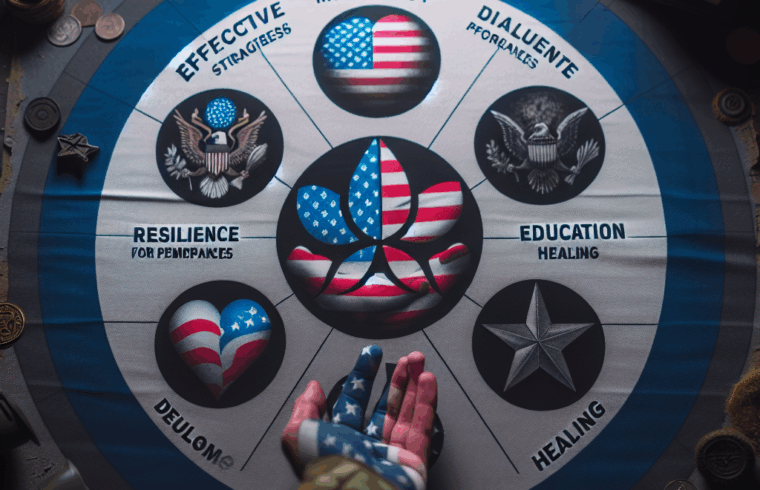
In todayâs landscape, an effective military trauma forgiveness plan must be comprehensive and adaptable. The five strategies outlined for 2025âtrauma-informed therapy, supportive reintegration networks, mindfulness, expressive arts, and personalized plansâare essential components for fostering healing and forgiveness among veterans and service members. Implementing these evidence-based strategies can significantly improve mental health outcomes, leading to more resilient and emotionally free individuals. Remember, embracing these approaches now can create a lasting impact, helping our courageous military personnel find peace and healing after trauma.
Get Support and Help with Recovery! Visit us for more Information and Support
Original Source