
==> Thank you for reading this post! Click Here If you are looking for support and Victory over PTSD.
- 1. Understanding Moral Injury
- 2. Embracing Accountability and Forgiveness
- 3. Developing Compassion and Self-Compassion
- 4. Seeking Professional Support
- 5. Spiritual Reflection and Connection
- 6. Building Resilience Through Community
- 7. Practicing Mindfulness and Acceptance
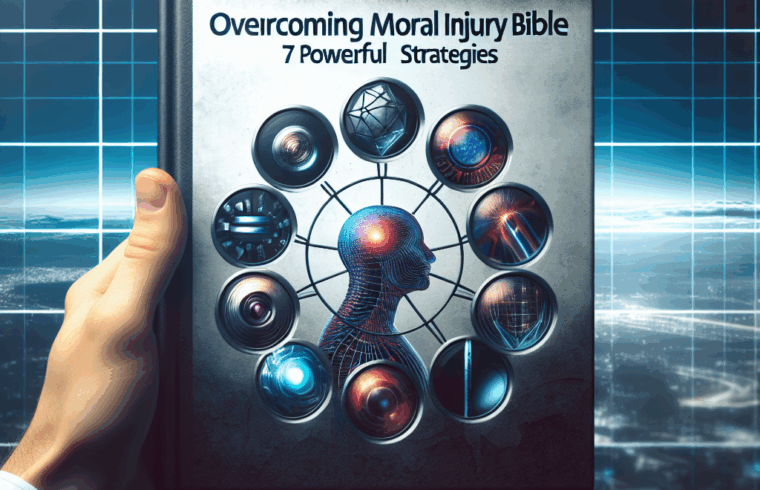
If youâre struggling with feelings of guilt, shame, or betrayal, youâre not alone. Many people face moral injury, a profound type of emotional and spiritual distress often linked to situations where one’s moral code has been challenged or broken. The overcoming moral injury bible offers a comprehensive guide for healing. In this article, I will share 7 powerful strategies for overcoming moral injury in 2025âbased on the latest research, spiritual insights, and practical adviceâso you can find peace and rebuild your sense of purpose.
1. Understanding Moral Injury
What Is Moral Injury?
Moral injury occurs when individuals perpetrate, fail to prevent, or witness acts that violate their deeply held moral beliefs. Itâs common among military personnel, healthcare workers, and first responders but can affect anyone facing ethical dilemmas. Recognizing the signsâsuch as persistent guilt, shame, or loss of trust in oneselfâis the first step in overcoming moral injury.
Recent studies in 2025 show that nearly 70% of those healing from moral injury benefit from a clear understanding of its roots. The overcoming moral injury bible emphasizes the importance of understanding that moral injury isn’t a sign of weakness but a natural response to complex situations.
Impact on Mental and Spiritual Wellbeing
When moral injury is left unaddressed, it can lead to depression, anxiety, and spiritual emptiness. The overcoming moral injury bible advocates viewing moral injury as a call for healing rather than condemnation. This perspective encourages compassion for oneself and others, laying the groundwork for recovery.
Practical tip: Reflect on your core values and how recent experiences may have challenged them. Journaling your feelings can illuminate pathways to healing and facilitate self-awareness.
2. Embracing Accountability and Forgiveness
Owning Your Past
Acceptance is crucial when overcoming moral injury bible teachings. Owning your actions or circumstances allows you to process guilt healthily. Remember, acknowledging pain without self-condemnation opens the door to genuine healing.
Many find that writing a forgiveness letterâwhether sent or kept privateâhelps release lingering resentment. This act can be a powerful step toward overcoming moral injury, as it facilitates self-forgiveness and reconciliation with your moral self.
Forgiving Others and Yourself
Forgiveness doesnât mean forgetting or condoning harm, but rather releasing the emotional burden associated with moral injury. Resources from the overcoming moral injury bible suggest meditation and prayer as tools to cultivate grace and compassion during this process.
Research indicates that individuals who actively practice forgiveness experience less depression and greater emotional resilience in 2025. Practical advice: set aside dedicated time daily for forgiving yourself and others, using guided meditations or spiritual practices aligned with your beliefs.
3. Developing Compassion and Self-Compassion
The Role of Compassion in Healing
Compassion is a cornerstone of overcoming moral injury bible principles. Showing kindness to oneself and others helps transform feelings of shame into understanding. Studies in 2025 show that compassion training significantly enhances resilience among those recovering.
Practicing compassion can involve simple actsâlike listening without judgment or offering forgivenessâand deep reflection on common human vulnerability. These efforts foster a sense of connection, vital for healing from moral wounds.
Self-Compassion Techniques
Self-compassion involves treating yourself with the same kindness youâd offer a friend. Key techniques include mindful self-talk, journaling to challenge negative beliefs, and practicing loving-kindness meditation.
Actionable tip: Create daily affirmations that align with your values, reinforcing your worth despite past mistakes. Remember, overcoming moral injury bible guidelines promote internal healing through compassion.
4. Seeking Professional Support
Therapy and Counseling Options
Professional mental health support is essential. Therapies like Cognitive Behavioral Therapy (CBT), Eye Movement Desensitization and Reprocessing (EMDR), and Faith-Based Counseling can target specific aspects of moral injury.
In 2025, the integration of spiritual counseling and trauma-focused therapy is increasingly effective. The overcoming moral injury bible points to therapy as a vital part of rebuilding trust in oneself and one’s moral compass.
Get Support and Help with Recovery! Visit us for more Information and Support
Finding the Right Support System
Look for providers who understand moral injury and incorporate spiritual or faith-based elements if relevant to your beliefs. Support groups also offer valuable peer validation and encouragement.
Tip: Use reputable directories and ask for recommendations from trusted community or faith leaders. Remember, seeking help is a sign of strength and an essential step in overcoming moral injury.
5. Spiritual Reflection and Connection
Reconnecting with Your Faith or Values
Spiritual reflection can be a powerful tool in overcoming moral injury bible guidance. Re-examining your beliefs helps clarify your moral framework and find new ways to align your actions with your values.
For many, prayer, meditation, or participation in religious communities provides comfort and a sense of belonging. In 2025, spiritual practices are increasingly integrated with mental health protocols for holistic healing.
Practicing Rituals and Mindful Prayer
Creating meaningful ritualsâsuch as prayer, fasting, or gratitude exercisesâcan facilitate spiritual healing. These practices foster forgiveness, closure, and renewed purpose.
Pro tip: Incorporate gratitude journaling to shift focus from guilt to appreciation. Remember, the overcoming moral injury bible emphasizes spiritual connection as a core element of recovery.
6. Building Resilience Through Community
The Power of Support Networks
Resilience is boosted when youâre part of a caring community. Connecting with others who understand your struggles helps normalize experiences and offers encouragement. Peer support often accelerates recovery from moral injury.
In 2025, online communities and local groups dedicated to moral injury recovery are growing. Sharing stories fosters empathy and provides practical advice grounded in shared experience.
Engaging in Service or Volunteer Work
Helping others can reinforce your sense of purpose and moral clarity. Volunteering tailored to your passions can be therapeutic, fostering connection and empowering you to overcome moral injury.
Tip: Find local or virtual groups aligned with your values and participate actively. This engagement creates a sense of hope and resilience essential for healing.
7. Practicing Mindfulness and Acceptance
Mindfulness Techniques for Healing
Mindfulness practices help you stay present, reducing ruminative thoughts common in moral injury. Techniques include breathing exercises, body scans, and mindful walking.
Research in 2025 highlights the effectiveness of mindfulness-based stress reduction (MBSR) programs in alleviating guilt, shame, and emotional painâkey components of moral injury.
Acceptance and Commitment Strategies
Acceptance involves embracing your feelings without judgment, allowing space for healing. Coupling mindfulness with commitment to actions aligned with your values supports ongoing recovery.
Pro tip: Incorporate daily mindful momentsâwhether through meditation or quiet reflectionâto cultivate patience and resilience on your healing journey.
Conclusion
Overcoming moral injury bible offers a powerful roadmap for healing in 2025. By understanding its core principles, embracing accountability, cultivating compassion, seeking support, reconnecting spiritually, building resilience, and practicing mindfulness, you can navigate even the most challenging moral wounds. Remember, recovery is a journeyâone supported by faith, community, and patience. Let this guide be your companion as you overcome moral injury and restore your inner peace.
Frequently Asked Questions
- What is the best way to start overcoming moral injury?
- Begin by understanding the roots of your moral injury and seeking support through therapy, spiritual reflection, or community. The overcoming moral injury bible emphasizes a holistic approach combining mental, spiritual, and emotional strategies.
- Can spiritual practices really help overcome moral injury?
- Yes, spiritual practices like prayer, meditation, or attending religious communities can provide comfort, clarity, and a sense of connection, aiding in the healing process.
- How important is forgiveness in overcoming moral injury?
- Forgiveness is a central component. It helps release guilt and shame, allowing you to move forward with peace and renewed purpose.
- Are there specific therapies recommended for moral injury?
- Therapies like CBT, EMDR, and faith-based counseling are highly effective. Find a professional experienced in moral injury or trauma recovery.
- What role does community play in healing from moral injury?
- Community offers support, validation, and shared understanding. Connecting with others who understand your experiences can boost resilience and facilitate healing.
Get Support and Help with Recovery! Visit us for more Information and Support
Original Source