==> Thank you for reading this post! Click Here If you are looking for support and Victory over PTSD.
- 1. Personal Bible Study and Reflection
- 2. Incorporating Prayer and Worship
- 3. Joining Supportive Bible-Based Communities
- 4. Meditation on Healing Scriptures
- 5. Integrating Biblical Principles with Professional Therapy
- 6. Learning from Testimonies of Faith and Healing
- 7. Practicing Forgiveness and Emotional Release
- 8. Developing a Consistent Healing Routine
- 9. Utilizing Bible-Based Healing Resources
- 10. Trusting in God’s Plan for Complete Restoration
1. Personal Bible Study and Reflection
Understanding Your Healing Journey
Often, trauma recovery through bible begins with intentional personal Bible study. Taking time each day to read scriptures related to comfort, hope, and healing can significantly impact emotional recovery. In 2025, more individuals are turning to biblical truths for solace amid their pain, recognizing that Godâs Word offers profound peace and guidance.
A key part of this process is reflectionâmeditating on passages that speak directly to feelings of loss, fear, or trauma. Reflective journaling during Bible study helps deepen understanding and allows your heart to process pain in a safe, biblical context. This practice can be life-changing and supports the broader goal of trauma recovery through bible.
For instance, Psalms of comfort or promises found in Isaiah can reinforce hope and resilience. Regular engagement with Scripture nurtures a sense of divine presence and reassurance, essential for overcoming emotional scars.
Practical Tips for Daily Bible Reflection
Create a dedicated space and a set time for daily Bible reflection. Consistency helps solidify the calming effects of Scripture on your mind and soul. Consider using devotional plans focused on trauma and healing to guide your reflections and ensure comprehensive engagement.
Additionally, look for Bible apps with daily verse notifications to keep you inspired throughout 2025. Remember, personal Bible study becomes a cornerstone of trauma recovery through bible when practiced regularly, fostering spiritual resilience.
2. Incorporating Prayer and Worship
The Power of Prayer in Healing
Prayer is a vital component of trauma recovery through bible, providing a direct connection to God’s comfort and strength. In 2025, studies show that prayer can reduce stress and promote emotional stabilityâespecially when combined with biblical meditation. Prayer helps release burdens and invites God’s healing presence into your life.
Personalized prayer, including confessing pain and asking for divine intervention, creates a safe space for emotional release. Many find that praying with scriptures or singing worship songs strengthens their faith and accelerates recovery.
Consistent prayer routines serve as a source of peace, grounding individuals amid chaos. This spiritual practice aligns with biblical teachings on casting cares and trusting God’s plan for healing.
Worship as an Expression of Faith
Worship isnât just singing; itâs an act of surrender that reinforces hope and trust in God’s goodness. In 2025, online worship gatherings and concerts have become accessible tools to help trauma survivors express their emotions and connect with others on similar journeys.
Participating in worship allows you to focus on God’s promises rather than your pain. It also facilitates emotional catharsis and spiritual renewal, which are crucial for trauma recovery through bible.
Make worship a daily habit, whether through singing, listening to uplifting music, or simply praising God during moments of reflection. These acts bolster resilience and remind us of God’s unconditional love and healing power.
3. Joining Supportive Bible-Based Communities
The Role of Community in Healing
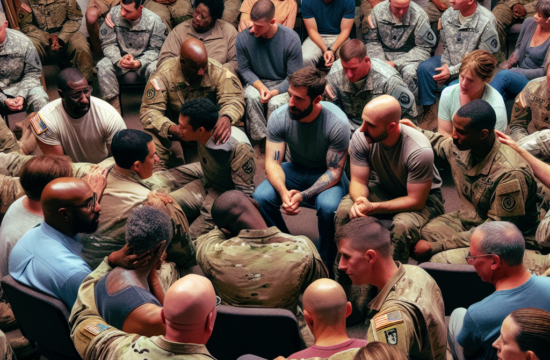
Healing from trauma often requires a sense of belonging. In 2025, Bible-centered support groups, whether in person or online, are gaining popularity for trauma recovery through bible. Sharing your struggles with others who understand biblical principles fosters encouragement and accountability.
Being part of a community that upholds biblical values enables emotional validation while reinforcing faith. These groups often facilitate prayer circles, Bible study sessions, and testimonies, strengthening your spiritual and emotional recovery.
Through communal sharing, you see biblical examples of healing and resilience, inspiring hope for your own journey. This collective support is proven to reduce feelings of loneliness and hopelessness associated with trauma.
Building Supportive Relationships
Establishing trust and open communication within your support network promotes healing. Choose friends, mentors, or pastors who align with biblical principles and can walk alongside you on your healing path.
Encouragement from others rooted in faith acts as a catalyst for emotional recovery. Sharing struggles and victories together nurtures resilience and reinforces that healing is possible through God’s grace.
Remember, trauma recovery through bible is often strengthened by unified faith, making community an indispensable element in your healing process.
4. Meditation on Healing Scriptures
Choosing the Right Verses
Meditation on specific healing scriptures accelerates trauma recovery through bible by focusing the mind on God’s promises. Popular passages include Psalm 34:18, Isaiah 41:10, and 2 Corinthians 1:3-4, which affirm God’s comfort and strength.
In 2025, using a list of healing scriptures tailored to your personal pain can deepen your meditation practice. Repeating, visualizing, and reflecting on these verses helps embed God’s Word into your subconscious, transforming emotional wounds into testimonies of faith.
Creating a Bible meditation routineâperhaps morning or eveningâcan be a powerful daily practice supporting trauma recovery through bible effectively.
Methods to Enhance Meditation
Use visualization techniquesâimagine Jesus wrapping you in His loveâwhile meditating on Scripture. Also, incorporate music or gentle background sounds that resonate with your healing journey. These paired practices create an immersive environment conducive to emotional healing.
Start with short sessions, gradually increasing as your emotional resilience grows. Consistent meditation on God’s Word sustains your journey, giving hope and clarity in 2025.
Applying biblical meditation regularly nurtures a deep-rooted trust in God’s plans for your complete healing.
5. Integrating Biblical Principles with Professional Therapy
Combining Faith and Therapy
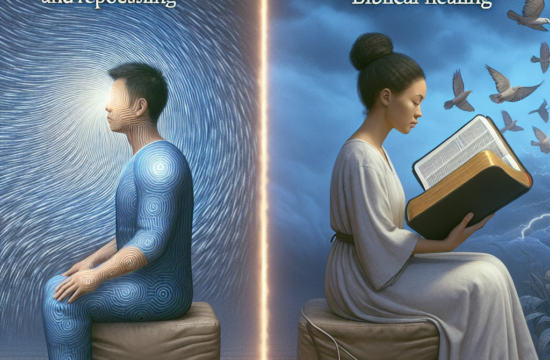
In 2025, trauma recovery through bible increasingly involves integrating biblical principles into professional mental health practices. Therapists who incorporate Scripture and spiritual insights create a holistic healing approach that addresses both emotional and spiritual wounds.
For example, cognitive-behavioral therapy (CBT) can be enhanced with biblical affirmations, prayer, and Scripture-based reflections. Many clients find that this integration helps them internalize God’s truth more deeply, accelerating emotional recovery.
If you’re considering therapy, seek professionals who respect and incorporate your faith. Such integration ensures your healing process remains biblically grounded and spiritually enriching.
Practical Steps to Combine Faith and Therapy
Start by discussing your faith preferences with your therapist. Bring Scriptures or prayer routines into your sessions, and ask for biblical resources or suggestions. This collaborative approach enhances your trauma recovery through bible by aligning treatment with your spiritual journey.
Remember, God’s Word is a powerful tool for emotional healingâuse it alongside professional support for best results in 2025.
Resilience and recovery are achievable when biblical truths are woven into your therapeutic process.
6. Learning from Testimonies of Faith and Healing
Power of Personal Testimonies
Reading or listening to testimonies of others who have experienced trauma healing through bible inspires hope. Many share how God’s Word, prayer, and community changed their lives, confirming that trauma recovery through bible is not only possible but powerful.
Get Support and Help with Recovery! Visit us for more Information and Support
In 2025, podcasts, blogs, and social media are filled with stories that encourage perseverance. These narratives serve as reminders that God’s healing power is active today, providing motivation and faith for your own trauma recovery journey.
Reflecting on such testimonies can reinforce your confidence that emotional scars can give way to renewed hope and spiritual strength.
Creating Your Testimony
As you progress in recovery, consider documenting your journeyâwriting or recording your testimony rooted in biblical truth. Sharing your story may inspire others, and it reinforces your faith in God’s plan and power.
This practice turns painful experiences into testimonies of God’s grace, building resilience and fostering a spirit of gratitude. In 2025, sharing your testimony within supportive faith communities enhances collective healing.
Recovery through trauma is often a transformative experience, and testimonies serve as a biblical testament to God’s restorative work.
7. Practicing Forgiveness and Emotional Release
The Biblical Basis for Forgiveness
Forgiveness is fundamental to trauma recovery through bible. Scriptures such as Matthew 6:14-15 and Ephesians 4:32 emphasize forgiving others as a pathway to emotional healing and spiritual freedom. Holding onto bitterness only prolongs pain, while forgiveness offers release and peace.
In 2025, many are using biblical forgiveness routines to heal major emotional wounds. This involves prayer, asking God for strength, and intentionally releasing hurts, which leads to emotional relief and spiritual growth.
Practicing forgiveness doesnât mean forgetting or excusing harm, but rather surrendering the pain to God and choosing to move forward in faith and grace.
Steps to Practice Forgiveness
Begin by acknowledging your pain and praying for the ability to forgive. Use Bible verses as anchors, such as Mark 11:25â”forgiving others”âto guide your emotional release. Keep a journal of insights and progress.
Remember, forgiveness is a process, sometimes requiring repeated prayer and reflection. Over time, this biblical practice fosters emotional healing and paves the way for trauma recovery through bible.
Embracing forgiveness in your healing journey can lead to profound peace and renewal.
8. Developing a Consistent Healing Routine
Structuring Daily Habits
Consistency is key in trauma recovery through bible. Creating a daily routine that includes Bible reading, prayer, meditation, and worship helps embed biblical truths into your life. In 2025, many survivors find that a structured spiritual routine reduces anxiety and fosters resilience.
Set specific times each day to engage with Scripture. Use devotionals, meditate on biblical promises, and incorporate worship songs into your routine. Over time, these habits become a strong foundation for emotional stability and spiritual renewal.
Moreover, routine provides stability, which is essential for trauma survivors experiencing fluctuations in mood and emotion.
Staying Committed to Your Healing Routine
Track your progress and celebrate small victories. Adjust your routine as needed to keep it engaging and meaningful. The goal is to nurture your spiritual and emotional health consistently, reinforcing trauma recovery through bible.
Remember, perseverance and commitment are vital. In 2025, spiritual disciplines are increasingly recognized for their role in holistic mental health strategies.
9. Utilizing Bible-Based Healing Resources
Books, Podcasts, and Online Materials
There is a wealth of resources available in 2025 designed to aid trauma recovery through bible. Books on biblical healing, podcasts led by faith-based counselors, and online courses provide practical guidance and encouragement.
These resources offer biblical insights alongside mental health strategies, creating a comprehensive approach to healing. Choose resources that resonate with your spiritual needs and learning style to maximize benefit.
Using credible, biblically sound content supports your emotional recovery with divine truth, ensuring your journey remains rooted in faith.
Apps and Digital Tools
In 2025, many apps offer Bible plans, meditation tracks, and prayer reminders tailored for trauma recovery. These tools help maintain focus and consistency, especially during busy or stressful days.
Utilize these digital aids to reinforce your biblical healing journey. They often include community features for support and encouragement, making your recovery process collaborative and spiritually affirming.
Incorporating technology ensures you have accessible, biblical healing resources at your fingertips anytime, anywhere.
10. Trusting in God’s Plan for Complete Restoration
Faith as the Foundation of Healing
Ultimately, trauma recovery through bible in 2025 hinges on trusting God’s plan. Biblical promises remind us that God’s plans are always for good, even in suffering (Jeremiah 29:11). Trusting His sovereignty nurtures hope and patience during healing.
Many believers find strength in surrendering their pain to God’s divine timing and trusting in His promise for full restorationâspiritually, emotionally, and physically. This surrender is a vital step in trauma recovery through bible.
Developing unwavering faith in God’s goodness transforms pain into testimonies of His redemptive power and grace.
Living with Hope and Confidence
Walking confidently in God’s promises during recovery in 2025 empowers trauma survivors to face each day with renewed hope. Remember, trauma recovery through bible is a lifelong journey, but God’s steadfast love ensures that healing is possible and abundant.
Embrace the spiritual transformation by trusting in God’s sovereignty, which leads to a life marked by peace, purpose, and resilience.
Let your faith in God’s restoring power be the anchor that sustains you through every stage of healing.
Conclusion
Trauma recovery through bible in 2025 offers a holistic, faith-based pathway to healing. By applying these ten powerful strategiesâranging from personal Bible study to trusting God’s divine planâyou can experience emotional restoration rooted in biblical truth. Remember, God’s Word is full of hope, comfort, and power to transform pain into testimony. Embrace these biblical principles intentionally and watch your healing journey unfold with divine grace. Healing is possible, and with faith and perseverance, trauma recovery through bible becomes a vibrant reality in 2025 and beyond.
Frequently Asked Questions
- What is trauma recovery through bible?
- Trauma recovery through bible refers to healing emotional and spiritual wounds by applying biblical teachings, Scriptures, prayer, and faith-based practices to overcome trauma.
- How can I start trauma recovery through bible?
- Begin with daily personal Bible study, prayer, and connecting with a supportive faith community. Incorporate Scripture meditation and seek biblical resources tailored for healing.
- Are there specific scriptures helpful for trauma recovery?
- Yes,

Get Support and Help with Recovery! Visit us for more Information and Support