
==> Thank you for reading this post! Click Here If you are looking for support and Victory over PTSD.
Trauma-aware prayer after avoiding church works best when prayer restores choice rather than pressuring someone to return, forgive, explain, or feel spiritually settled. Begin in a physically comfortable place, use brief and concrete language, keep the eyes open if closing them feels unsafe, and stop when distress rises. A person may pray silently, write one sentence, repeat a familiar line, or sit without words; none of these requires entering a church building. Avoid treating fear, numbness, anger, or dissociation as spiritual failure.
Why Can Prayer and Church Feel Unsafe After Trauma?
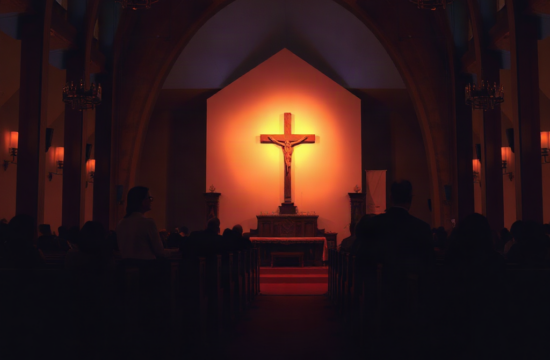
Avoidance of church may reflect a nervous system responding to reminders of danger rather than a deliberate rejection of faith. A sanctuary can contain many cues at once: crowds, closed doors, amplified music, physical touch, public emotion, authority figures, expectations to participate, or limited freedom to leave unnoticed. If harm occurred in a religious setting—or religious language was used to excuse it—even a familiar prayer may carry the emotional force of that experience.
Prayer itself can create vulnerability. Closing the eyes reduces visual awareness, kneeling may feel physically exposed, silence can leave more room for intrusive memories, and addressing God with parental or authority language may evoke painful associations. Someone who becomes numb, restless, angry, frightened, or mentally distant during prayer is not necessarily refusing to engage. Those reactions may be protective responses activated by the setting, words, posture, or memory attached to the practice.
Consider a person who feels calm while speaking one honest sentence at home but develops a racing heart when hearing a worship leader invite everyone to close their eyes. The difference is not simply private prayer versus public worship. At home, the person controls the door, volume, posture, duration, and exit. In the service, those choices may appear unavailable. Restoring those choices is more useful than arguing that the room is objectively safe.
A common mistake is to interpret avoidance as disobedience and prescribe immediate attendance as proof of trust. Exposure that is pressured, spiritually loaded, or difficult to stop can reinforce fear instead of building confidence. Trauma-aware practice does not declare every uncomfortable feeling dangerous, but it distinguishes manageable discomfort from overwhelming activation. The priority is enough present-moment awareness to make a genuine choice.
Before praying, identify the specific pressure point. Ask whether the difficulty comes from certain names for God, requests about forgiveness, silence, music, being watched, a particular building, or contact with certain people. A precise trigger allows a precise adjustment. It also prevents the church building, faith, prayer, and the people who caused harm from being treated as though they are all the same thing.
How Can You Begin Prayer Without Forcing a Church Return?
Begin with a prayer practice that is brief, voluntary, and easy to stop. The initial goal is not emotional intensity or a timetable for returning to worship. It is to remain oriented to the present while expressing something truthful. That may mean ten quiet seconds, one written sentence, or a familiar phrase spoken while standing near an open window.
Use a simple sequence that keeps control with the person praying:
- Orient first: Notice the room, the current date, the nearest exit, and a neutral object such as a lamp or cup.
- Choose the form: Speak, write, read, listen, or remain silent. Keep the eyes open if preferred.
- Set a boundary: Decide in advance when the prayer will end and what signal means it is time to stop.
- Use one honest line: Name a need, feeling, protest, question, or request without trying to resolve everything.
- Reorient afterward: Look around, move the hands or feet, drink water, and notice whether present awareness remains intact.
An honest prayer might be, “God, I am here, and I do not feel safe talking about church today.” Another person may write, “Stay with me while I notice this room.” These are not formulas and should not be presented as guaranteed calming techniques. Their value lies in limiting the demand, preserving agency, and separating contact with God from compulsory attendance or emotional performance.
Short prayer differs from avoidance when it is a chosen level of contact rather than an automatic escape from every reminder. Yet pushing beyond capacity is not inherently courageous. If a thirty-second practice leaves someone disoriented for hours, a smaller practice or a different form may be wiser. If written prayer is steadying while spoken prayer triggers fear, writing is a legitimate starting point rather than a lesser version.
Do not make church return the hidden test of whether prayer is working. Some people may eventually consider a quiet visit, an online service, a meeting in a neutral location, or attendance with a trusted companion. Others need distance from a specific congregation, leader, or denomination. Prayer can remain meaningful while those decisions are evaluated separately, especially when misconduct, coercion, or unresolved safety concerns contributed to the withdrawal.
Choosing Words, Postures, and Settings That Preserve Choice
The form of prayer should reduce unnecessary threat cues without demanding a particular emotional result. Traditional postures and language may feel supportive to one person and activating to another. Trauma-aware prayer treats those differences as information, not as evidence that one person has stronger faith.
Posture is a practical place to begin. Sitting upright with both feet supported may preserve orientation better than kneeling. Walking outdoors may feel safer than remaining still in a dim room. Looking at a stable object can be preferable to closing the eyes. If touch is involved in shared prayer, explicit permission matters; a hand on the shoulder should never be assumed to be comforting. Consent must remain reversible after prayer begins.
Language deserves the same care. Long prayers about surrender, obedience, punishment, reconciliation, or forgiveness can carry unintended pressure, particularly when those ideas were used to silence disclosure or protect someone who caused harm. The answer is not to prohibit those themes permanently. It is to avoid imposing them before the person can engage freely and distinguish spiritual reflection from coercion. Lament, protest, uncertainty, and silence may be more honest than forced gratitude.
For example, a friend offering prayer might ask, “Would you like me to pray, sit quietly, or change the subject?” If prayer is chosen, the friend can ask whether any words or topics should be avoided and whether the person wants to hear the prayer aloud. Compare that with announcing, “I am going to pray over you,” moving closer, and continuing through visible distress. The first approach creates choices; the second can reproduce helplessness despite good intentions.
Get Support and Help with Recovery! Visit us for more Information and Support
A compact prayer-setting checklist can prevent avoidable problems:
- Can the person see the room and leave without explanation?
- Were the posture, distance, touch, and spoken language chosen rather than assumed?
- Is the prayer short enough to stop before attention becomes overwhelmed?
- Are anger, uncertainty, and silence allowed without correction?
- Is church attendance being kept separate from the immediate prayer request?
Customization has limits. A grounding object, open eyes, or a shorter prayer may make practice more tolerable, but these choices are not treatments for PTSD and cannot make an unsafe relationship or institution safe. When the concern involves abuse, stalking, threats, retaliation, or ongoing access by the person who caused harm, practical safety and qualified support take priority over spiritual reconciliation efforts.
How Do You Recognize Helpful or Harmful Prayer?
Helpful prayer preserves awareness, choice, and the ability to stop; harmful practice tends to increase coercion, shame, confusion, or loss of present orientation. Relief is not the only valid sign of benefit. A person may still feel grief or anger while remaining able to identify where they are, make decisions, and recover after the practice ends.
Useful signs include being able to choose words without self-censorship, noticing bodily tension without becoming overwhelmed, and ending at the planned time. Over several attempts, the person may become clearer about which settings, themes, or people feel safe enough for spiritual contact. Progress can look like greater honesty rather than greater calm. Saying “I cannot pray about forgiveness today” may represent stronger agency than repeating language chosen by someone else.
Warning signs include escalating panic, vivid re-experiencing, feeling detached from the room, losing track of time, becoming unable to speak or move by choice, or experiencing prolonged distress afterward. Shame-based conclusions—such as believing that a trauma response proves divine rejection—also deserve attention. When these patterns occur, stop rather than forcing completion. Reorient to the current environment and consider discussing the reaction with a licensed mental health professional who understands trauma and respects the person’s spiritual framework.
Spiritual support and clinical care serve different functions. A trustworthy chaplain, pastor, or mature faith leader may offer companionship, theological reflection, and prayer without demanding disclosure. A trauma-informed clinician can assess symptoms, functional effects, risk, and treatment options. One should not impersonate the other. A ministry leader should not diagnose PTSD or tell someone to replace care with prayer, while a clinician should not assume that spiritual practice is irrelevant when it matters to the client.
Evaluate potential helpers by their behavior rather than their title. A safer helper accepts “no,” does not insist on private meetings, avoids promising that prayer will remove symptoms, respects confidentiality limits, and does not push contact with a congregation or alleged offender. Be cautious when someone treats forgiveness as immediate access, frames boundaries as bitterness, or asks for detailed trauma disclosure before trust has been established.
Urgent assistance is warranted when prayer or church-related distress is accompanied by thoughts of suicide or self-harm, inability to stay safe, severe disorientation, or danger from another person. Contact local emergency services or an appropriate crisis service in the person’s country. Prayer may remain part of support if desired, but it should not delay immediate safety measures or professional evaluation.
Frequently Asked Questions
Is avoiding church always a sign of lost faith?
No. Avoidance may be connected to trauma reminders, unsafe relationships, sensory triggers, spiritual abuse, or fear of losing control. Faith and readiness to enter a particular building are separate questions.
Do I have to close my eyes or kneel when I pray?
No. You may keep your eyes open, sit upright, stand, walk, or write. Choose a posture that supports present awareness and can be changed immediately.
What if I feel angry with God during prayer?
Anger can be named without forcing a quick resolution. A brief lament, question, or written protest may be more honest and less activating than language of gratitude or certainty.
Should someone pray with me?
Shared prayer may be appropriate when the person respects boundaries, asks permission about words and touch, and stops promptly when asked. Private prayer is preferable if company creates pressure.
When should I seek professional help?
Consider trauma-informed care when prayer triggers persistent panic, flashbacks, dissociation, severe sleep disruption, or impaired daily functioning. Seek urgent help for self-harm thoughts, inability to stay safe, or immediate danger.
Conclusion
Prayer after a period of avoiding church does not need to become a test of attendance, forgiveness, trust, or emotional calm. Prioritize a setting with clear exits, a posture that maintains orientation, language that can be changed, and a duration the person controls. Notice the difference between tolerable discomfort and reactions that leave someone panicked, detached, ashamed, or unable to function afterward.
The next step may be one written sentence at home, a short prayer with a boundary-respecting companion, or a conversation with a trauma-informed clinician. A return to communal worship, if considered, should be evaluated on its own terms: the safety of the people involved, freedom to leave, protection from unwanted contact, and respect for consent. Spiritual care becomes more trustworthy when it protects agency instead of using faith to override it.
Get Support and Help with Recovery! Visit us for more Information and Support
Original Source