
==> Thank you for reading this post! Click Here If you are looking for support and Victory over PTSD.
Christian support for PTSD when worship music feels unsafe should protect the person’s sense of choice rather than pressure them to remain in a triggering service. Loud volume, bass vibrations, familiar lyrics, lighting, or being unable to leave may activate trauma reminders and a fight, flight, freeze, or shutdown response. Practical care can include attending a quieter service, sitting near an exit, using ear protection, stepping out without explanation, or worshipping through prayer and Scripture at home. A pastor can support these accommodations, while a trauma-informed mental health professional can help assess persistent symptoms.
Why Can Worship Music Feel Unsafe With PTSD?
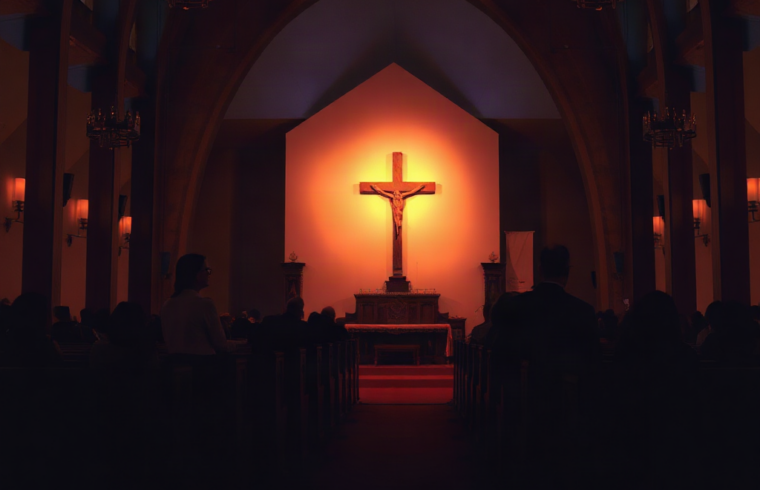
Worship music can become threatening when the sound, setting, or loss of control resembles part of a traumatic experience. The reaction may be tied to volume, heavy bass, sudden percussion, a particular lyric, dimmed lights, crowded rows, raised hands nearby, or doors that feel difficult to reach. A person may understand intellectually that the sanctuary is not dangerous while their nervous system reacts as though immediate protection is necessary.
That response can involve a racing heart, muscle tension, nausea, dizziness, scanning the room, feeling detached, losing track of the lyrics, or urgently needing to leave. Some people become visibly distressed; others grow quiet and appear unusually composed because they have frozen or shut down. The absence of an outward panic response does not establish that someone feels safe.
The trigger may not be explicitly religious. A subwoofer can reproduce the bodily sensation associated with explosions, machinery, an aggressive household, or another frightening environment. A song connected to a funeral, abusive relationship, military memorial, or traumatic church experience may carry a more direct association. Repetition can intensify the problem when the congregation sings the same phrase while the person feels trapped or watched.
Worship leaders and companions should avoid deciding that the music itself is harmless and therefore the reaction is irrational. Present safety and felt safety are related but different. Arguing about whether the person “should” be afraid usually adds shame without settling the body’s alarm response. Likewise, tears during a song should not automatically be described as spiritual breakthrough; the person experiencing them should be allowed to name what is happening.
A useful first question is not, “Why can’t you worship?” but, “Which part of the setting becomes difficult?” Separating the variables makes accommodation more practical. Recorded music at home may be manageable while amplified music in a packed sanctuary is not. Instrumental music may feel safer than lyrics, or a quiet hymn may be harder than an unfamiliar contemporary song because of its personal association. The pattern can vary from week to week, especially when sleep, anniversaries, recent stress, or other trauma reminders have increased sensitivity.
The immediate priority is permission to stop, move, or leave. If symptoms are persistent, worsening, or disrupting daily life beyond church, evaluation by a qualified mental health professional may be appropriate. A church can offer companionship and spiritual care, but it should not diagnose the reaction or present pastoral support as a substitute for trauma-focused clinical care.
How Can Churches Respond Without Spiritual Pressure?
Trauma-aware Christian care preserves agency because coercion can reproduce the experience of having no control. The person should decide whether to enter the sanctuary, where to sit, whether to participate in singing, and when to step outside. A pastor or trusted congregant can make those choices easier without requiring the person to disclose the underlying trauma.
Helpful language is concrete and nonjudgmental: “You may sit near the door,” “You do not need to explain if you leave,” or “I can wait with you in the lobby.” By contrast, telling someone to push through, surrender the fear, sing louder, or prove trust in God can turn worship into a test. Even well-meant prayer may feel controlling if several people surround the person, touch them unexpectedly, or block an exit.
Consent should extend to common church practices. Ask before placing a hand on someone’s shoulder, inviting others into the conversation, sharing a prayer request, or contacting a family member. Confidentiality should not be promised beyond what church policy or immediate safety concerns allow, but personal details should still be handled narrowly and respectfully. A person seeking a quieter seat does not owe the worship team a trauma history.
A practical church response can involve coordination among one pastoral contact, an usher, and the person affected. The plan might identify a side entrance, an aisle seat, a low-stimulation room, and a simple signal meaning “please come with me.” Fewer informed people often means less unwanted attention. The goal is not to monitor behavior but to remove logistical barriers to leaving or returning.
Church leaders should also distinguish accommodation from exposure therapy. Deliberately increasing volume, asking the person to remain through a triggering song, or repeatedly confronting the cue is not a safe pastoral experiment. Trauma treatment is individualized and ordinarily belongs with a properly qualified clinician. A congregation’s role is to make participation more accessible, not to improvise treatment in a worship service.
Signs that the support is working include greater freedom to choose, less anticipatory dread, and confidence that leaving will not cause embarrassment. Success does not have to mean staying for the entire music set. It may mean attending the sermon, joining a small prayer gathering, listening from the foyer, or deciding not to attend that day without being pursued. The approach is failing when the person feels observed, spiritually graded, pressured to disclose, or afraid that accommodations will be withdrawn.
Planning a Safer Worship Service
A safer attendance plan should be brief enough to use while the person is stressed. It can be created before Sunday rather than negotiated after symptoms begin. The plan should identify controllable features, an exit route, support preferences, and what to do if the reaction does not settle.
Start by gathering practical information. Churches can often provide the service order, approximate length of the music set, typical sound level, location of speakers, use of flashing or moving lights, and availability of a quiet room. A rehearsal or visit to the empty sanctuary may help someone assess the layout without the pressure of a crowd. None of these steps guarantees comfort, but they replace some uncertainty with choices.
A compact checklist may include:
- Position: Choose an aisle seat away from speakers and near a usable exit.
- Sound: Bring filtered earplugs or earmuffs if they reduce intensity without creating disorientation.
- Companion: Decide whether a trusted person should follow, wait, or remain seated if you leave.
- Signal: Use a word, text, or gesture that does not require explanation during distress.
- Alternative: Identify the foyer, outdoor area, quiet room, or transportation option in advance.
Ear protection is useful for some people but not everyone. Reducing volume may lessen physical activation, while muffled speech or reduced awareness of the room can make another person feel less oriented. Trying the device at home or in a low-pressure setting can reveal which response is more likely. Similarly, sitting near an exit offers control, but a busy doorway may be distracting; a side aisle may provide a better balance.
When distress begins, grounding should focus on present information rather than demanding instant calm. The person might place both feet on the floor, look for three stable objects in the room, notice the date and location, or step into cooler air. Slow breathing helps some people, but concentrating on breath can intensify symptoms for others. The person’s previous experience should guide the choice.
Get Support and Help with Recovery! Visit us for more Information and Support
A staged return is an option, not an obligation. Someone might first visit the building on a weekday, attend only the sermon, try a quieter service, or listen from another room. The common mistake is treating longer attendance as the only measure of progress. A better measure is whether the person retains choice and can recover without severe or prolonged destabilization. If attempts repeatedly lead to intense symptoms, lost sleep, unsafe driving, self-harm thoughts, or major disruption afterward, pause the plan and seek professional guidance rather than escalating exposure.
Faith Practices Beyond Congregational Music
Congregational singing is one Christian practice, not the sole measure of worship or belonging. When music is unsafe, faith may be expressed through spoken prayer, silent prayer, Scripture, communion where accessible, service to others, pastoral conversation, lament, or quiet presence with a trusted believer. Temporarily choosing these forms does not require pretending that music is unimportant; it recognizes a present limitation without making it a spiritual verdict.
Private alternatives should be selected with the same attention to triggers. A person might read a short Psalm aloud, use a printed prayer, sit outdoors, or listen to a spoken liturgy without background music. Silence may feel restorative for one survivor and threatening for another. Recorded worship music is not automatically safer simply because it is played at home, especially if a song itself carries the association. Control over volume, timing, and stopping does, however, give the listener options that a live service may not provide.
Biblical lament can offer language for fear, anger, confusion, and longing without requiring emotional resolution on demand. It should not be used to rush someone toward a cheerful conclusion. A brief practice might involve reading a few verses, naming one honest concern, and ending without forcing an answer. The value lies in truthful engagement with God, not in producing a particular feeling.
Community still matters, but it may need a different shape. A small gathering with no music, a visit from one church member, an online sermon, or a midweek prayer meeting may provide connection with fewer sensory demands. These alternatives should not become a quiet form of exclusion. Church leaders can continue offering invitations, communion access where appropriate, and pastoral contact while making clear that refusal will be respected.
Spiritual care and clinical treatment serve different but potentially complementary purposes. A pastor can help with theological questions, grief, church relationships, and religious shame. A licensed mental health professional can assess symptoms and discuss evidence-based treatment options suited to the individual. If the trauma involved religious authority or a church setting, an independent clinician and a pastor outside the original institution may feel safer than care controlled by the same community.
The warning signs of harmful spiritual support are specific: distress is called rebellion, accommodations are withheld, disclosure is demanded, prayer is imposed, or treatment is discouraged. Healthy support leaves room for consent, questions, boundaries, and professional care. When immediate safety is at risk or thoughts of suicide are present, the priority shifts from service participation to urgent crisis support through local emergency resources or the 988 Suicide & Crisis Lifeline in the United States.
Conclusion
A workable church plan begins with identifying the specific sensory or relational pressure, then restoring control over seating, sound, touch, disclosure, and departure. Pastors and friends can reduce shame by treating accommodations as access needs rather than tests of devotion. The next step may be as modest as requesting the service order, visiting the sanctuary while it is empty, or choosing a nonmusical gathering.
Progress should be measured by increased safety and choice, not by how long someone remains in the room. If distress repeatedly intensifies or spreads into sleep, driving, relationships, or everyday functioning, pastoral care should be paired with qualified mental health support. Christian community is most trustworthy here when it offers presence without pressure and allows worship to take a form the person can genuinely tolerate.
Frequently Asked Questions
Is It Wrong for a Christian With PTSD to Avoid Worship Music?
No. Temporarily avoiding a triggering setting can be a reasonable safety boundary, not a rejection of God. Worship can continue through prayer, Scripture, service, lament, and supportive Christian community.
Should I Tell My Pastor Why the Music Triggers Me?
You may share only what is needed to request support. Asking for an aisle seat, advance service information, or permission to use a quiet room does not require disclosing the traumatic event.
Can Earplugs Make Church Music Safer?
They may reduce overwhelming volume or bass, but muffled sound can make some people feel less oriented. Test them in a lower-pressure environment and keep leaving as an available option.
Should a Friend Follow Me If I Leave the Service?
Decide that beforehand. Some people want quiet companionship, while others need space. A simple signal can tell the friend whether to follow, wait nearby, or remain inside.
When Is Professional PTSD Support Appropriate?
Consider qualified mental health support when reactions are persistent, worsening, affecting daily life, or causing significant distress after services. Urgent help is warranted when there is immediate danger or suicidal thinking.
Further Reading
Authoritative Sources
- Post-Traumatic Stress Disorder
nimh.nih.govThe National Institute of Mental Health explains PTSD symptoms, risk factors, and professional treatment options
- PTSD Basics
ptsd.va.govThe National Center for PTSD provides accessible background on trauma reactions and when additional help may be needed
- Trauma and Violence
samhsa.govSAMHSA offers context for understanding trauma and creating responses that emphasize safety and choice
- 988 Suicide & Crisis Lifeline
988lifeline.orgThis United States crisis resource provides call, text, and chat support when distress becomes urgent or safety is at risk
Get Support and Help with Recovery! Visit us for more Information and Support
Original Source