
==> Thank you for reading this post! Click Here If you are looking for support and Victory over PTSD.
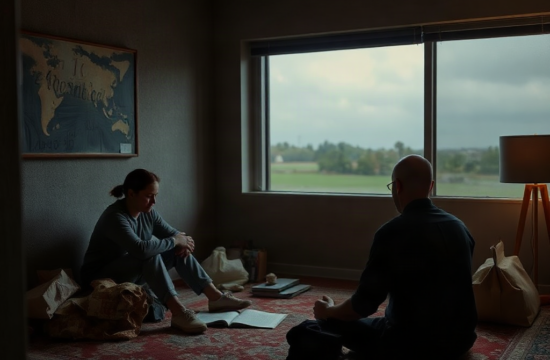
Scriptures for PTSD fear of returning to a location can provide language for safety, honest prayer, and steady attention, but they should accompany—not pressure—a trauma-informed return plan. Passages such as Psalm 56:3–4, Psalm 23:4, Isaiah 41:10, and Psalm 121 can be read before approaching the place, during grounding pauses, or afterward while processing the experience. Returning is not a test of faith, and severe panic, dissociation, an unsafe environment, or pressure from others are valid reasons to stop. A licensed trauma therapist can help determine whether gradual, supported exposure is appropriate and how to set distance, timing, transportation, and exit options.
Why Can a Location Trigger Such Intense Fear?
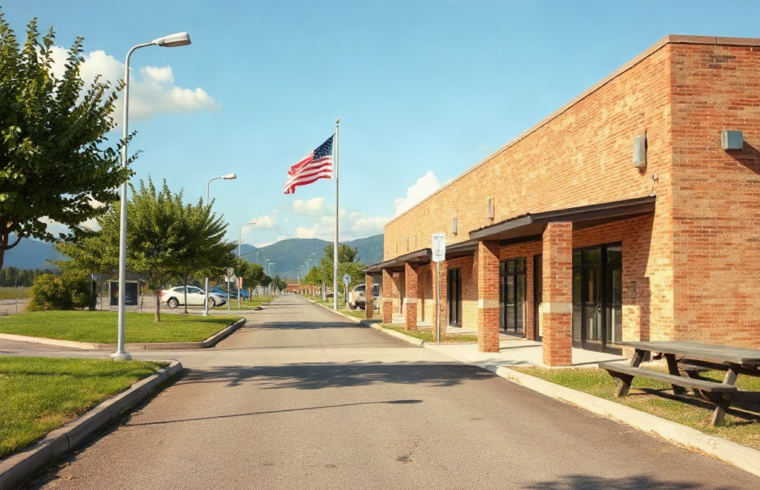
A trauma-linked place may activate alarm before a person has consciously sorted out what feels dangerous. A road, building entrance, room layout, smell, time of day, or sound can resemble details connected with the traumatic event. The resulting fear may include a racing heart, nausea, shaking, tunnel vision, numbness, intrusive memories, or a strong urge to leave. Such a reaction is not proof that the person lacks faith; it reflects a nervous system responding to cues it has associated with threat.
Anticipatory fear can begin long before arrival. Looking at a map, receiving an appointment reminder, or imagining the parking lot may be enough to bring distress. That distinction matters because a plan focused only on what happens inside the location misses the drive, waiting period, entrance, and trip home. Someone returning to a hospital, for example, may tolerate the public lobby but become overwhelmed near a particular corridor. A person approaching the site of an assault may react strongly several blocks away.
Scripture can offer words when fear makes spontaneous prayer difficult, but it should not be used to deny the body’s warning signals. “God is with me, so I must force myself through the door” places a spiritual conclusion on a safety decision that may require more information. The location might still contain a real threat, the return might be unnecessary, or the person might need clinical support before attempting it. Faithfulness is not measured by how much distress someone can endure without help.
Start by separating three questions: Is the place currently safe? Is returning necessary now? Am I adequately supported? A courthouse appearance, medical appointment, family gathering, and optional visit to a former neighborhood involve different constraints. Current danger calls for protection rather than exposure. An unavoidable appointment may require accommodations, while an optional return can often wait. The useful first step is therefore not proving courage but identifying the specific cues, obligations, and safety conditions involved.
Which Scriptures Address Anticipatory Fear and Safety?
Passages are most useful when chosen for the actual moment of fear rather than treated as formulas that promise an anxiety-free visit. Psalm 56:3–4 connects fear with deliberate trust without pretending fear is absent. Psalm 23:4 places God’s presence within a threatening passage rather than describing a life with no dark valleys. Isaiah 41:10 emphasizes God’s presence and sustaining help. Psalm 121 directs attention toward watchful care during travel and movement.
Other passages address different pressures. Psalm 34:17–18 may be meaningful when distress and grief are intertwined. Psalm 46:1 presents God as refuge and present help. Second Timothy 1:7 can remind a reader that panic does not define their identity, but it should not be weaponized as an accusation that symptoms show spiritual failure. Proverbs 22:3 affirms prudent recognition of danger, which helps correct the mistaken belief that every feared place must be confronted immediately.
Choose one or two short passages instead of assembling a long reading list for the moment of return. Under intense stress, concentration and recall may be limited. Write the references and a brief personal prayer on a card or phone note. For example: “Psalm 56:3–4: I am afraid, and I can bring that fear to God. Help me notice where I am now.” This preserves the passage’s purpose while adding orientation to the present setting.
Context also matters. A verse about courage is not a command to enter an unsafe building, meet an abusive person, or ignore a protective order. A promise of divine presence does not guarantee that a visit will feel calm or that symptoms will disappear. Signs that the selected scripture is serving its intended role include greater ability to stay oriented, make choices, and ask for help. If reading it produces shame, pressure, or frantic repetition, pause and select a passage centered on refuge, lament, or compassion instead.
How Can Scripture Be Used With Grounding?
Scripture and grounding can work together by directing attention toward both spiritual truth and present-day sensory information. Grounding is not an attempt to argue away the trauma or guarantee calm. Its immediate purpose is to help a person distinguish the current setting from the remembered event well enough to make a safe decision.
Before leaving, read the selected passage slowly and state the current date, destination, reason for going, and planned departure time. During the approach, notice concrete differences between then and now: who is present, which exits are available, what transportation is waiting, and what choices remain. A brief prayer based on Psalm 121 might be paired with noticing the road, the seat beneath the body, and the trusted person nearby. The prayer supplies relational meaning; sensory orientation supplies current evidence.
A compact sequence can make the practice easier to remember:
- Read: Use one short passage selected before distress rises.
- Orient: Name the date, place, present purpose, and available exit.
- Notice: Identify several neutral sights, sounds, or physical sensations.
- Choose: Decide whether to continue, pause, increase distance, or leave.
- Recover: Allow decompression afterward without judging the outcome.
Consider someone returning to a church where a traumatic incident occurred. Repeating a verse continuously while becoming increasingly disoriented may conceal rather than reduce escalating distress. A better response may be to step outside, identify the current date, call the support person, and decide whether to re-enter. Leaving does not cancel the value of the prayer; it demonstrates that the person retained choice.
The common mistake is turning scripture into a test that must overpower every symptom. A passage is not failing if the body remains activated. Look instead for modest, functional changes: the person can identify the present, communicate a need, notice an exit, or recover more readily after stopping. If grounding repeatedly makes distress worse, triggers vivid reliving, or cannot restore orientation, a trauma-informed mental health professional can help develop a safer approach.
How Should a Careful Return Be Planned?
A return plan should reduce avoidable uncertainty without demanding that the person complete the entire visit. The safest plan depends on why the return is happening, whether the place is objectively secure, and how strongly the person reacts during preparation. An optional visit can often be divided into smaller approaches; a required appointment may need advance accommodations instead.
Begin with the least intense version that still provides useful information. That could mean viewing a current photograph, driving past without stopping, sitting in a nearby parking area, entering briefly with a trusted person, or completing only the necessary task. These are not universal stages, and progressing without clinical guidance is not appropriate for everyone. The goal is not to see how much fear can be tolerated but to preserve orientation, agency, and a reliable exit.
Before going, confirm practical details: who will accompany you, how you will leave, where you can wait, whom you can contact, and what signal means the visit ends. If the return involves a medical office, school, workplace, court, or house of worship, ask whether a different entrance, quieter appointment time, virtual option, private waiting area, or support person is available. Scripture can be assigned to specific points—Psalm 121 during travel, Psalm 56 before entry, and Psalm 34 during recovery—rather than used only after distress peaks.
Get Support and Help with Recovery! Visit us for more Information and Support
Success should be defined in advance. “I must stay for an hour without panicking” makes symptom absence the standard. A more workable measure is, “I will approach with support, remain able to communicate, and leave when my stopping signs appear.” Useful stopping signs might include losing track of the present, being unable to speak, feeling trapped, or experiencing rapidly escalating distress that does not settle after a pause.
Afterward, record what activated fear, what preserved a sense of choice, and what needs to change. A shorter visit, greater distance, different route, or professional support may be the correct next step. Repeating an overwhelming attempt without adjustment can reinforce dread. A measured return that ends early can provide more useful information than pushing through until the person is exhausted or disoriented.
When Should You Not Return Alone?
Do not treat returning alone as the spiritually stronger option. Support is especially important when the site may still be unsafe, the person has previously become disoriented there, contact with a harmful individual is possible, transportation is uncertain, or the visit is legally or medically consequential. A trusted companion can help monitor the plan, communicate with staff, and support the decision to leave, but should not pressure the person to continue.
Some situations call for professional planning rather than an informal visit. A licensed clinician may be needed when approaching the location causes severe panic, dissociation, vivid reliving, self-harm thoughts, substance use, or prolonged destabilization afterward. Trauma-focused treatment may include carefully planned work with reminders, but that is different from friends arranging a surprise return or a faith leader insisting on immediate confrontation. Exposure-like exercises can be harmful when the environment remains dangerous, consent is weak, or the steps exceed the person’s ability to stay oriented.
Pastoral care and mental health care can serve different functions. A pastor or chaplain may pray, discuss the meaning of selected passages, or accompany someone when appropriate. A qualified trauma therapist can assess symptoms, identify destabilizing patterns, and plan treatment. Neither role should be assumed to replace emergency assistance, legal protection, or medical evaluation.
Cancel or postpone if new safety information appears, the support person becomes unavailable, the person feels coerced, or the exit plan no longer works. If there is immediate danger, call local emergency services. In the United States, a person experiencing suicidal or emotional crisis can call or text 988 for the Suicide & Crisis Lifeline. The priority is current safety, not completing the visit. Scripture can remain part of care without being used to override the need for urgent or specialized help.
Conclusion
Returning to a trauma-linked place should be governed by present safety, genuine necessity, informed consent, and the ability to leave—not by shame or pressure to demonstrate courage. Select a short passage that matches the moment, pair it with present-focused orientation, and define success as retaining choice rather than eliminating every symptom. Confirm transportation, companionship, accommodations, stopping signs, and aftercare before approaching the site. If the location remains dangerous, distress becomes disorganizing, or recovery lasts well beyond the visit, postpone the attempt and seek trauma-informed professional guidance. The next useful step may be a brief supported approach, an alternative arrangement, or no return at all. Scripture can accompany each option by giving fear an honest voice while preserving wisdom, boundaries, and care.
Frequently Asked Questions
Does being afraid to return mean my faith is weak?
No. Trauma responses can be activated by reminders before deliberate thought occurs. Faith may shape how you respond, but symptoms are not a reliable measure of spiritual commitment.
What Bible verse can I read before returning?
Psalm 56:3–4 is a concise choice because it acknowledges fear while turning toward trust. Psalm 121 may fit travel, while Isaiah 41:10 may support prayer for presence and strength.
Should I force myself to enter the location?
No. First assess current safety, necessity, support, and your ability to remain oriented. Severe reactions or an unsafe setting warrant postponement and professional guidance.
Can someone pray with me during the visit?
Yes, if that support is welcome and the person respects your limits. Agree beforehand that prayer will not be used to pressure you to stay or move closer.
What if I reach the location and cannot go inside?
Use the planned exit, contact your support person, and recover in a safer setting. Note what triggered the response and reconsider the next step with a trauma-informed clinician if needed.
Further Reading
Authoritative Sources
- PTSD Basics
ptsd.va.govThe National Center for PTSD explains trauma-related symptoms and why reminders may trigger distress
- Post-Traumatic Stress Disorder
nimh.nih.govThe National Institute of Mental Health provides a clinical overview of PTSD symptoms and treatment options
- 988 Suicide & Crisis Lifeline
988lifeline.orgThis official U.S. crisis resource offers call, text, and chat support during suicidal or emotional crisis
- Bible Gateway
biblegateway.comThis searchable Bible resource allows readers to review the cited passages in their preferred translation
Get Support and Help with Recovery! Visit us for more Information and Support
Original Source