
==> Thank you for reading this post! Click Here If you are looking for support and Victory over PTSD.
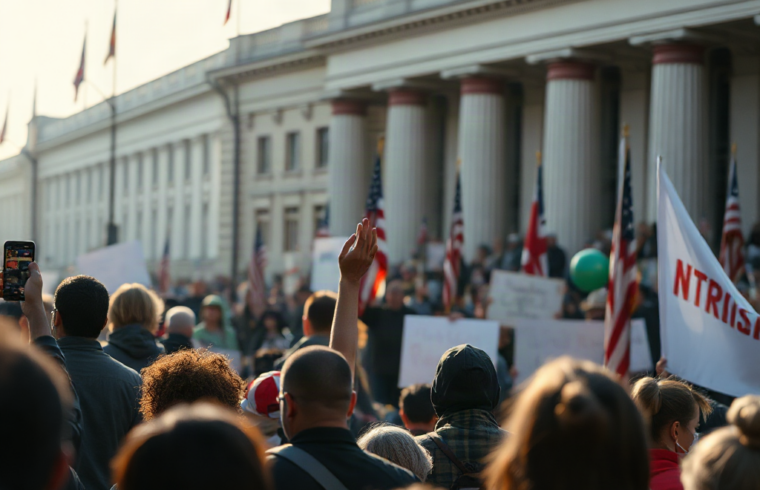
Christian support for PTSD when crowds feel dangerous should combine trauma-aware pastoral care, permission to leave crowded settings, a preplanned exit route, and care from a licensed mental health professional. Crowds may activate hypervigilance because noise, blocked sightlines, physical closeness, or limited exits resemble conditions the nervous system associates with danger. A trusted church companion can reduce uncertainty by choosing an aisle seat, watching for agreed distress signals, and leaving without debate when symptoms rise. Prayer and Scripture may provide spiritual steadiness, but they should complement rather than replace clinical PTSD care or emergency help when safety is at risk.
Why Can Crowds Trigger a Danger Response?
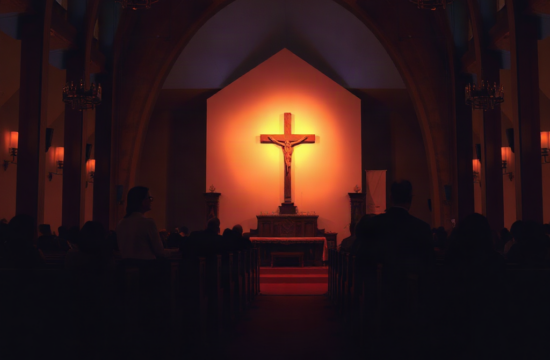
A crowded sanctuary can contain several trauma cues at once: unexpected touch, movement behind the person, loud music, tightly spaced seating, unfamiliar faces, and an exit that is difficult to reach. Someone may intellectually recognize that a church service is safe while their nervous system responds as though escape or defense is urgently needed. That mismatch is not evidence of weak faith. It is a reason to reduce pressure and respond to the person’s actual level of distress.
PTSD may involve hypervigilance, exaggerated startle, intrusive memories, avoidance, or a sense of being trapped. The exact crowd cue varies. One person may tolerate a busy outdoor gathering but struggle in a windowless fellowship hall. Another may feel steady during quiet prayer yet become overwhelmed when people gather closely at the doors after worship. Identifying the specific cue is more useful than treating every crowd as equally dangerous.
A practical review should ask what happened immediately before distress rose. Was the person seated far from an exit? Did someone approach from behind? Did applause, amplified music, or a sudden announcement cause a startle response? Did fatigue, poor sleep, or an emotionally intense sermon reduce the person’s capacity to cope? Tracking these details over several situations can help the person and a qualified clinician distinguish patterns without assuming that every difficult reaction has the same cause.
The common mistake is forcing prolonged attendance to prove courage or trust in God. Unplanned exposure can become overwhelming, reinforce avoidance, or damage trust in the church community. Avoiding every gathering indefinitely may also shrink the person’s life and deepen isolation. The more balanced approach is individualized: lower the intensity, preserve choice, and consider gradual steps with professional guidance rather than turning a worship service into an improvised exposure exercise.
Progress should be measured by more than whether someone remained in the room. Useful signs may include noticing symptoms earlier, using an exit without shame, recovering more quickly afterward, or participating in a smaller setting that remains spiritually meaningful. A difficult Sunday does not erase prior progress. It may simply reveal that the environment, timing, or level of support needs adjustment.
What Does Trauma-Aware Church Support Look Like?
Trauma-aware Christian support protects dignity, choice, and confidentiality instead of demanding disclosure. A pastor, ministry leader, or trusted friend does not need the details of the traumatic event to make practical accommodations. The person can state what is needed—such as an aisle seat, freedom to step outside, or advance notice of loud elements—without explaining why the trauma occurred.
Support works best when roles are specific. A companion might arrive early, identify a low-traffic seat, and agree on a discreet signal meaning “leave now.” An usher can show where a quieter room is located. A pastor can make clear that stepping out is not disrespectful. These actions reduce uncertainty, which is often more useful than repeated reassurance that there is nothing to fear.
Consider a person who wants to attend Communion but finds the crowded aisle difficult. A rigid response would insist on joining the line in the usual way. A flexible church might offer a seat near the front, allow the person to approach before the main line forms, or arrange for Communion to be brought to the seat if that practice fits the congregation’s tradition. The goal is not preferential treatment; it is meaningful participation without needless exposure to a known trigger.
Language matters as much as logistics. Statements such as “If you trusted God, you would stay” confuse a trauma response with a spiritual verdict. Quoting Scripture to end the conversation can also communicate that symptoms are unwelcome. Prayer, biblical reflection, and pastoral presence can be valuable when offered with consent and without implying that persistent symptoms show spiritual failure. Lament, fear, bodily distress, and reliance on professional care can all be discussed honestly within Christian community.
Confidentiality has limits when there is an immediate safety concern, but ordinary accommodation requests should not become prayer-chain news or staff gossip. The supporter should ask what may be shared, with whom, and for what purpose. A good arrangement also avoids making one volunteer solely responsible for the person’s wellbeing. Backup contacts and clear boundaries protect both people.
An approach is probably failing if the person feels monitored, pressured to disclose, or guilty for using an exit. It is more likely to be working when the person retains control, knows what will happen, and can participate at a tolerable level. The church’s task is supportive presence and access—not diagnosis, trauma processing, or amateur treatment.
How Can You Plan for Worship and Church Events?
A short crowd-safety plan can reduce decisions made under intense stress. It should be simple enough to remember when concentration narrows. Planning does not guarantee that symptoms will stay low; it creates options if the environment becomes difficult.
Start by matching the setting to current capacity. A small weekday service, prayer meeting near an open door, streamed service at home, or brief visit before the crowd arrives may be more manageable than a packed holiday service. Remote participation can preserve connection during a difficult period, although it may become isolating if it is the only option and the person wants in-person community. The appropriate next step depends on symptoms, goals, and clinical guidance—not on a fixed timetable.
A compact plan can include:
- Preview the setting. Check parking, entrances, seating density, restrooms, quiet spaces, and the quickest unobstructed exit.
- Choose a support person. Agree on whether that person should talk, pray quietly, create space, or simply accompany the person outside.
- Set an early decision point. Leave or take a break when warning signs begin rather than waiting until distress becomes unmanageable.
- Carry a simple grounding cue. A written verse, textured object, cool drink, or reminder of the current date and location may help orient attention to the present.
- Plan recovery time. Avoid stacking another demanding event immediately after a crowded service.
Grounding is not a command to suppress fear. It is an attempt to reconnect with current sensory information. A person might quietly name the room, date, nearest exit, and the trusted person beside them while feeling both feet against the floor. Slow, comfortable breathing may help some people, but intensive focus on breathing can feel worse for others. If a technique increases panic, dizziness, dissociation, or traumatic imagery, stop using it and discuss alternatives with a clinician.
Suppose attendance at a wedding is important but the reception is expected to be crowded. The person might attend the ceremony, sit near a side exit, use separate transportation, and skip the reception. That limited plan may provide more meaningful participation than attempting the entire event and becoming overwhelmed. Success is not staying longest; it is making an informed choice while protecting safety and recovery.
Review the plan afterward without turning the review into self-criticism. Note which cues appeared, what reduced distress, and whether recovery took minutes, hours, or longer. Repeated worsening, expanding avoidance, or increasing reliance on substances to tolerate gatherings signals that pastoral adjustments alone are not enough and professional support should be prioritized.
Get Support and Help with Recovery! Visit us for more Information and Support
How Should Faith, Clinical Care, and Safety Work Together?
Pastoral care and mental health treatment serve different but potentially complementary roles. A pastor may offer prayer, theological reflection, community connection, and help communicating accommodation needs. A licensed clinician can assess symptoms, consider other conditions, and discuss evidence-based treatment options. A Christian counselor may integrate faith when requested, but shared beliefs do not replace appropriate licensure, trauma competence, or clear professional boundaries.
Before choosing a clinician, ask direct questions: Do you have experience treating PTSD? How do you approach crowd-related avoidance or panic? How will my Christian faith be included if I want it included? What happens if an exercise becomes overwhelming? A trustworthy provider should be able to explain the approach, invite questions, and respect consent. The person need not accept spiritual practices from a therapist or clinical advice from an unqualified ministry leader simply because either is presented confidently.
Prayer can be concrete rather than corrective. A friend might ask, “Would you like prayer, quiet company, or help leaving?” That question gives the person agency. Scripture may serve as an orienting reminder of God’s presence, but using a verse to dispute the person’s bodily alarm in the middle of acute distress may increase shame. During a surge, reducing stimulation and reaching a safer-feeling location may need to come before extended conversation.
Churches should also separate accommodation from emergency response. An aisle seat and quiet room may support ordinary participation, but they are not substitutes for urgent care when someone may harm themselves or another person, cannot remain physically safe, or has a medical emergency. In the United States, a person in suicidal or severe emotional crisis can call or text 988; immediate danger warrants local emergency services. People outside the United States should use their local crisis or emergency system.
Improvement may be uneven. Clinical care does not promise that every crowd will become comfortable, and faithful participation does not have to look like enduring the largest service. The practical aim may be greater choice: attending selected events, leaving before symptoms peak, accepting companionship, or worshipping through a smaller gathering without interpreting adaptation as defeat.
The clearest warning signs of poor support are coercion, spiritual blame, breached confidentiality, promises of a cure, or pressure to stop treatment. Sound support recognizes both spiritual needs and clinical limits. If the person’s world continues to narrow, symptoms intensify, or daily functioning deteriorates, the next step is a qualified assessment rather than a more demanding church activity.
Conclusion
Safe Christian care begins by believing the person’s distress, protecting choice, and removing spiritual shame from a trauma response. The next practical move is to identify the specific crowd cues, choose the least overwhelming form of participation, and write a simple plan covering seating, exits, companionship, grounding, and recovery time.
Pastors and friends can make worship more accessible, but they should not attempt to diagnose PTSD or conduct improvised exposure exercises. A licensed, trauma-informed clinician is better placed to assess persistent symptoms and help decide whether gradual work with crowded settings is appropriate. If distress escalates into an immediate safety crisis, use crisis or emergency services rather than relying on a church accommodation plan. Meaningful participation may look smaller or more flexible for a season, and it can still be genuine participation in Christian community.
Frequently Asked Questions
Is fear in a crowded church a sign of weak faith?
No. A trauma-related alarm response can occur even when a person believes the setting is safe and sincerely wants to worship. Shame usually adds distress rather than resolving the symptoms.
Should someone with PTSD force themselves to stay through a service?
Not simply to prove courage or faith. Planned, gradual work with a qualified clinician differs from being pressured to endure an overwhelming setting without control or support.
Where is the best place to sit in a crowded church?
An aisle seat near a usable exit often provides more choice, but individual triggers differ. Some people prefer the back for a quick departure; others feel safer where they can clearly see the room.
What can a Christian friend do during a crowd-triggered episode?
Speak calmly, create space, follow the agreed exit plan, and ask before touching or praying aloud. Avoid arguing that the setting is safe or demanding an explanation during acute distress.
Can online worship be a healthy alternative?
It can preserve spiritual connection when in-person crowds are currently unmanageable. If remote attendance increases unwanted isolation, consider smaller gatherings or supported visits in consultation with a clinician.
Further Reading
Authoritative Sources
- National Center for PTSD
ptsd.va.govProvides detailed public information about PTSD symptoms, treatment, coping, and support from the U.S. Department of Veterans Affairs
- Post-Traumatic Stress Disorder
nimh.nih.govExplains PTSD symptoms, risk factors, and treatment in a concise federal mental health resource
- 988 Suicide & Crisis Lifeline
988lifeline.orgOffers U.S. crisis call, text, and chat options when trauma-related distress becomes an immediate safety concern
- SAMHSA Find Help
samhsa.govConnects U.S. readers with mental health information, treatment locators, and crisis support resources
Get Support and Help with Recovery! Visit us for more Information and Support
Original Source