
==> Thank you for reading this post! Click Here If you are looking for support and Victory over PTSD.
Support for PTSD after losing a spiritual community should address trauma symptoms, disrupted belonging, and the loss of trusted beliefs without pressuring a return to worship. Useful next steps include finding a trauma-informed clinician, identifying safe people outside the former community, and setting firm boundaries with leaders or members who minimize the harm. Grounding routines and carefully chosen peer support may reduce isolation while professional care addresses nightmares, avoidance, hypervigilance, or shame. Reconnection with spirituality is optional and should proceed at the survivor’s pace; immediate safety and freedom from coercion take priority over reconciliation, forgiveness, or restoring religious participation.
Why Can Losing a Spiritual Community Intensify PTSD?
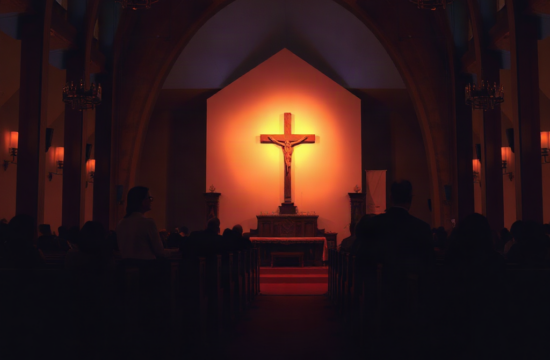
Losing a spiritual community can remove several sources of stability at once: familiar relationships, weekly routines, shared language, practical assistance, and a framework for making sense of suffering. When that loss follows rejection, misconduct, coercion, or disbelief about a traumatic event, the community itself may become connected with danger. A person may then react not only to memories of the original trauma but also to worship spaces, religious language, music, clothing, authority figures, or messages from former members.
PTSD can involve intrusive memories, avoidance, negative changes in mood or beliefs, and heightened alertness. The loss of a spiritual home may interact with each of these patterns. Avoiding a service may initially protect someone from a trigger, yet it can also end regular contact with friends. Hypervigilance may make a new gathering feel threatening even when no present danger is apparent. Shame may deepen when former leaders interpret symptoms as weak faith, disobedience, or unwillingness to forgive.
Consider someone whose congregation supported them before a traumatic loss but later insisted that grief should end quickly. A song once associated with comfort may now bring back memories of being pressured to appear recovered. Attending another congregation immediately could expose the person to similar language before they have enough control over the setting. Staying entirely isolated, however, may leave them without meals, transportation, childcare, or ordinary companionship previously supplied by the community. Neither forced return nor complete withdrawal automatically resolves the underlying problem.
It helps to distinguish several losses rather than treating the experience as a single spiritual crisis. The person may be grieving particular relationships, a social identity, a role in the community, confidence in leaders, and beliefs that once provided meaning. Some parts may eventually be rebuilt while others may not. Missing friends does not mean returning is safe, and questioning beliefs does not invalidate the traumatic impact of exclusion.
A common mistake is assuming that renewed religious participation is the measure of recovery. A more useful early measure is whether the person has greater choice: Can they leave an uncomfortable conversation, decline contact, hear a spiritual term without being pushed to agree, and seek connection elsewhere? Increased agency matters because coercive responses can reproduce the powerlessness associated with trauma. Support should therefore protect choice before addressing belief, reconciliation, or community membership.
What Kind of Support Should Come First?
Early support should prioritize present safety, symptom burden, and reliable human contact. If former members are threatening, stalking, publicly shaming, or repeatedly contacting the person, practical boundaries may be more urgent than discussing spirituality. Saving messages, changing contact settings, telling a trusted person, and seeking appropriate local assistance can create room for recovery. Anyone in immediate danger or at risk of self-harm should use emergency or crisis services rather than relying only on informal community care.
A licensed mental health professional with experience in trauma can assess whether symptoms fit PTSD or another condition and discuss suitable treatment options. Experience with religious trauma, spiritual abuse, high-control groups, bereavement, or identity disruption may be particularly relevant, depending on what happened. These descriptions are not interchangeable diagnoses. They are areas of experience a prospective clinician can be asked about before an appointment.
Useful screening questions are specific rather than ideological. Ask how the clinician handles spiritual beliefs when they are both a source of meaning and a trigger, whether clients may pause discussion of religion, and how treatment goals are chosen. A good fit does not require the clinician to share the client’s beliefs. It does require respect for the client’s autonomy and an ability to discuss community power, betrayal, and loss without reducing every symptom to doctrine.
Informal supporters have a different job. A friend can offer predictable contact, accompany someone to an appointment, help replace a lost weekly routine, or listen without investigating the details. Statements such as “You do not have to decide what you believe today” preserve room for uncertainty. Pressuring the person to forgive, reconcile, report publicly, or join a different congregation may feel helpful to the supporter while taking control away from the survivor.
A compact priority order can make competing needs easier to manage:
- Address immediate danger: threats, unsafe housing, self-harm risk, or uncontrolled contact.
- Assess disruptive symptoms: sleep loss, panic, flashbacks, dissociation, substance use, or inability to manage daily tasks.
- Restore dependable contact: one or two people who keep boundaries and follow through.
- Replace lost practical support: transportation, meals, childcare, or scheduled companionship.
- Postpone major spiritual decisions when possible: urgent declarations may reflect outside pressure rather than settled preference.
Support is working when the person gains more control over contact, can name triggers without being overruled, and has options beyond the former group. It may be failing when every conversation becomes a debate about doctrine, symptoms worsen after pressured meetings, confidentiality is breached, or help is conditional on returning. In those circumstances, changing the support arrangement may be more protective than trying harder within it.
Building Connection Without Repeating the Harm
Rebuilding connection works best through small, observable tests of trust rather than immediate belonging. The former community may have combined friendship, identity, spiritual practice, volunteer work, and emergency assistance in one place. No single replacement needs to perform all those functions. Separating them can reduce dependence and make it easier to leave one setting without losing every source of support again.
For example, companionship might come from a walking partner, practical help from a neighborhood group, trauma support from a clinician, and spiritual conversation from one carefully chosen person. This distributed approach may feel less emotionally powerful than joining a close-knit group, but it provides clearer boundaries. It also lets the person evaluate how people respond to a small “no” before disclosing private experiences.
Peer support can reduce the sense of being uniquely damaged, especially when participants understand community rejection or spiritual abuse. Yet a group is not automatically safe because it uses trauma-informed language. Before joining, ask who facilitates it, how confidentiality is addressed, whether members are pressured to tell their stories, and what happens when beliefs differ. Online groups offer distance and anonymity but may expose participants to graphic accounts, unmoderated advice, or contact outside the group. An in-person group can provide stronger social presence while making exits and anonymity harder.
Trustworthy support usually tolerates gradual participation. A person should be able to observe, leave early, decline prayer, avoid touch, withhold details, or change their mind. Warning signs include demands for rapid vulnerability, claims that one leader has the only correct interpretation, pressure to cut off outside relationships, and promises that spiritual compliance will resolve trauma symptoms. Another concern is information moving through informal networks without consent, especially when the former community and the new group overlap socially.
A practical trial can be limited in advance: attend one public event, arrange independent transportation, sit near an exit, and debrief afterward with someone who is not invested in the outcome. The question is not merely “Did I feel anxious?” New situations can produce anxiety even when they are reasonably safe. Better questions are whether boundaries were respected, whether leaving was possible, whether disagreement was tolerated, and whether distress settled afterward or continued to escalate.
The common failure mode is trying to replace the lost community too quickly because loneliness is painful. Fast belonging can temporarily relieve isolation while obscuring familiar power dynamics. Slower connection carries the tradeoff of continued loneliness, but it allows evidence of reliability to accumulate. Regular low-pressure contact with two dependable people may provide a safer foundation than immediate immersion in another tightly organized community.
Get Support and Help with Recovery! Visit us for more Information and Support
Should You Revisit Spiritual Practices or Step Away?
Revisiting spiritual practices is a personal option, not a treatment requirement or proof of healing. Some people retain their beliefs but need distance from organized worship. Others revise or leave their beliefs, while some eventually seek a different community. None of these paths, by itself, determines whether PTSD symptoms are being addressed effectively.
The most useful distinction is between chosen practice and compelled exposure. A private ritual, brief reading, time in nature, or conversation with a trusted spiritual-care provider may feel manageable because the person controls the timing and can stop. Returning to a crowded service at someone else’s insistence removes much of that control. Although gradual contact with reminders can be part of trauma treatment, attempting exposure without professional guidance may overwhelm the person or reinforce avoidance if the experience becomes intolerable.
Triggers also deserve precise observation. “Religion is triggering” may be accurate but too broad to guide a decision. The activating element could be a particular song, gendered authority, confession language, closed doors, public prayer, expectations of touch, or the possibility of seeing a former member. Identifying the specific cue allows a narrower choice. Someone might tolerate a quiet interfaith room but not a formal service, or discuss meaning with a therapist while avoiding clergy contact.
When spiritual care is desired, the provider’s role and confidentiality practices should be clear. Chaplains, clergy members, spiritual directors, and lay counselors may have different training and obligations. Ask whether the conversation remains private, whether records are kept, whether the provider reports to a religious organization, and how they respond when a person rejects the community’s teachings. Spiritual care can complement clinical care, but it should not be assumed to replace assessment or treatment for severe trauma symptoms.
Signs that a practice may be manageable include a retained sense of choice, recovery to baseline after discomfort, and the ability to stop without shame or retaliation. Signs to pause include escalating nightmares, prolonged dissociation, loss of daily functioning, pressure from others, or a growing belief that enduring distress is a moral duty. A clinician can help distinguish tolerable discomfort from destabilization and plan safer pacing.
The frequent misconception is that stepping away means avoidance and returning means courage. Distance can be a necessary boundary, while attendance can sometimes be driven by fear of rejection. The better test is whether the decision is informed, voluntary, and consistent with present safety. Beliefs may remain unsettled for a long time; support can still focus on sleep, relationships, work, bodily regulation, and restored decision-making while those questions remain open.
Conclusion
Recovery after the loss of a spiritual community does not require an immediate decision about faith, forgiveness, or future membership. The first priorities are protection from ongoing harm, assessment of disruptive trauma symptoms, and dependable contact that is not conditional on religious agreement. Professional care and informal support serve different purposes, and both should preserve the person’s authority over disclosure, boundaries, and pacing.
A practical next move is to identify one current pressure point: unsafe contact, severe symptoms, isolation, lost practical help, or uncertainty about returning. Address that issue with the most appropriate resource rather than trying to rebuild an entire spiritual and social life at once. New groups and practices can be tested gradually, with attention to how boundaries are received. Progress is better reflected by increased choice and stable functioning than by attendance at worship or acceptance of a particular belief.
Frequently Asked Questions
Can losing a spiritual community make PTSD symptoms worse?
It may intensify isolation, shame, hypervigilance, or avoidance, particularly when the community dismissed the trauma or became associated with it. A clinician can assess symptom changes and other possible causes.
Do I need a therapist who shares my faith?
Not necessarily. Relevant trauma experience, respect for your beliefs or uncertainty, and willingness to follow your goals may matter more than shared faith. Ask directly how the therapist handles spiritual triggers and differences.
Should I respond to former community members who contact me?
You are not obligated to respond. Consider whether contact respects your boundaries, affects your symptoms, or creates a safety concern. Blocking, using one designated contact, or requesting written communication may provide more control.
Is avoiding worship always unhealthy?
No. Temporary or lasting distance may protect safety and autonomy. If avoidance is severely restricting your life or reflects broadening fear, a trauma-informed professional can help you consider options without forcing religious participation.
How can a friend support someone after spiritual-community loss?
Offer consistent, practical contact; keep private information confidential; accept uncertainty about beliefs; and avoid pushing forgiveness or reconciliation. Ask what would help rather than assuming that another religious community is the answer.
Further Reading
Authoritative Sources
- National Center for PTSD
ptsd.va.govProvides detailed information about PTSD symptoms, treatment approaches, and ways to find professional care
- SAMHSA Find Help
samhsa.govOffers United States treatment locators and crisis-support information for people seeking mental health services
- 988 Suicide & Crisis Lifeline
988lifeline.orgExplains how to reach crisis support in the United States by call, text, or chat when distress becomes urgent
- National Institute of Mental Health: Post-Traumatic Stress Disorder
nimh.nih.govSummarizes recognized PTSD symptoms, risk factors, and treatment categories for readers evaluating next steps
Get Support and Help with Recovery! Visit us for more Information and Support
Original Source